Last updated November 23, 2026
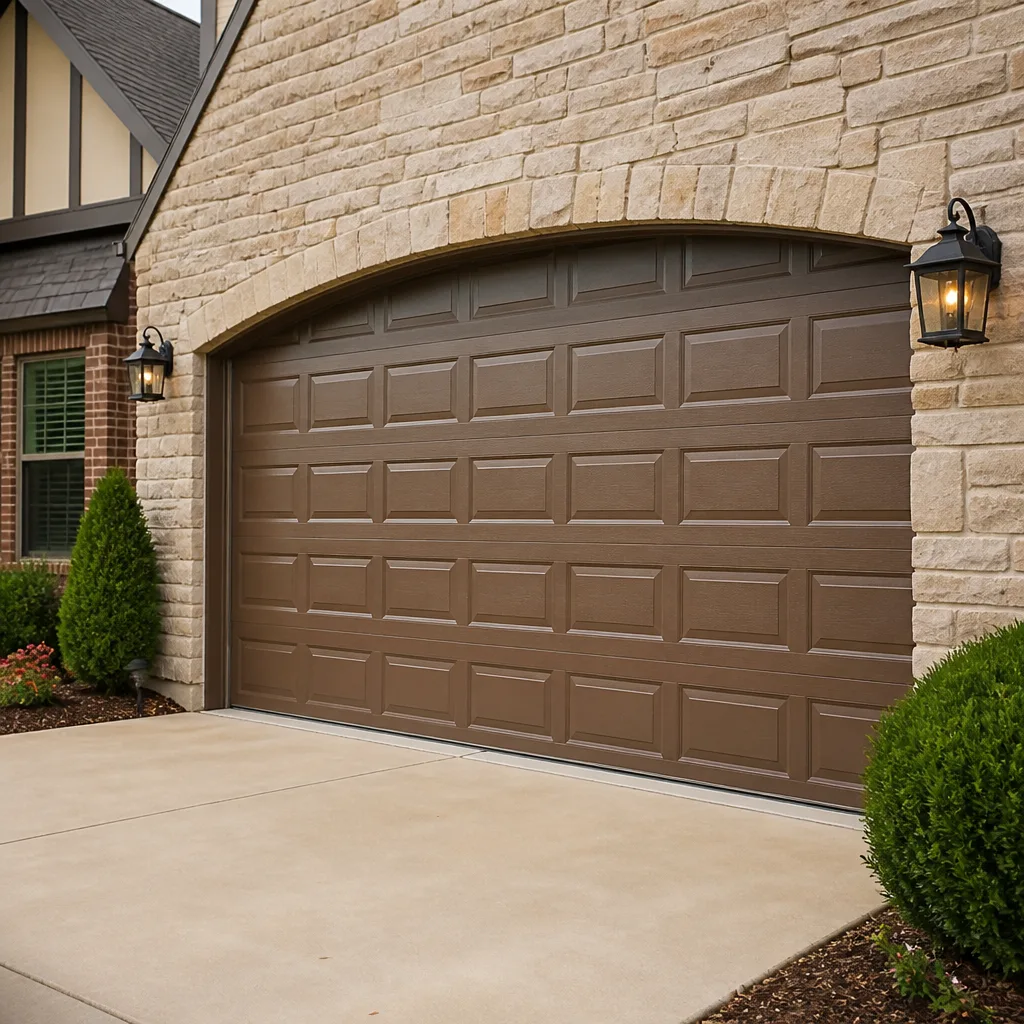 Raised-panel steel
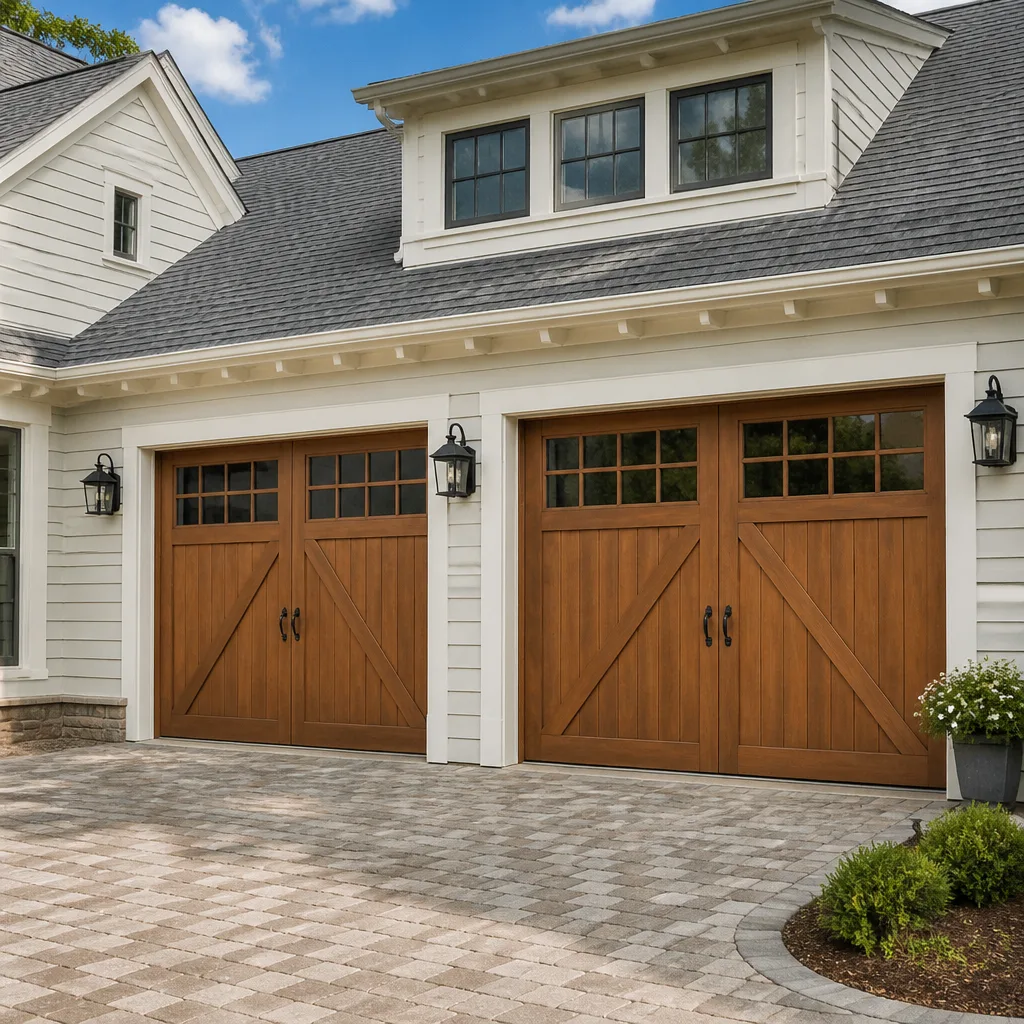 Carriage house
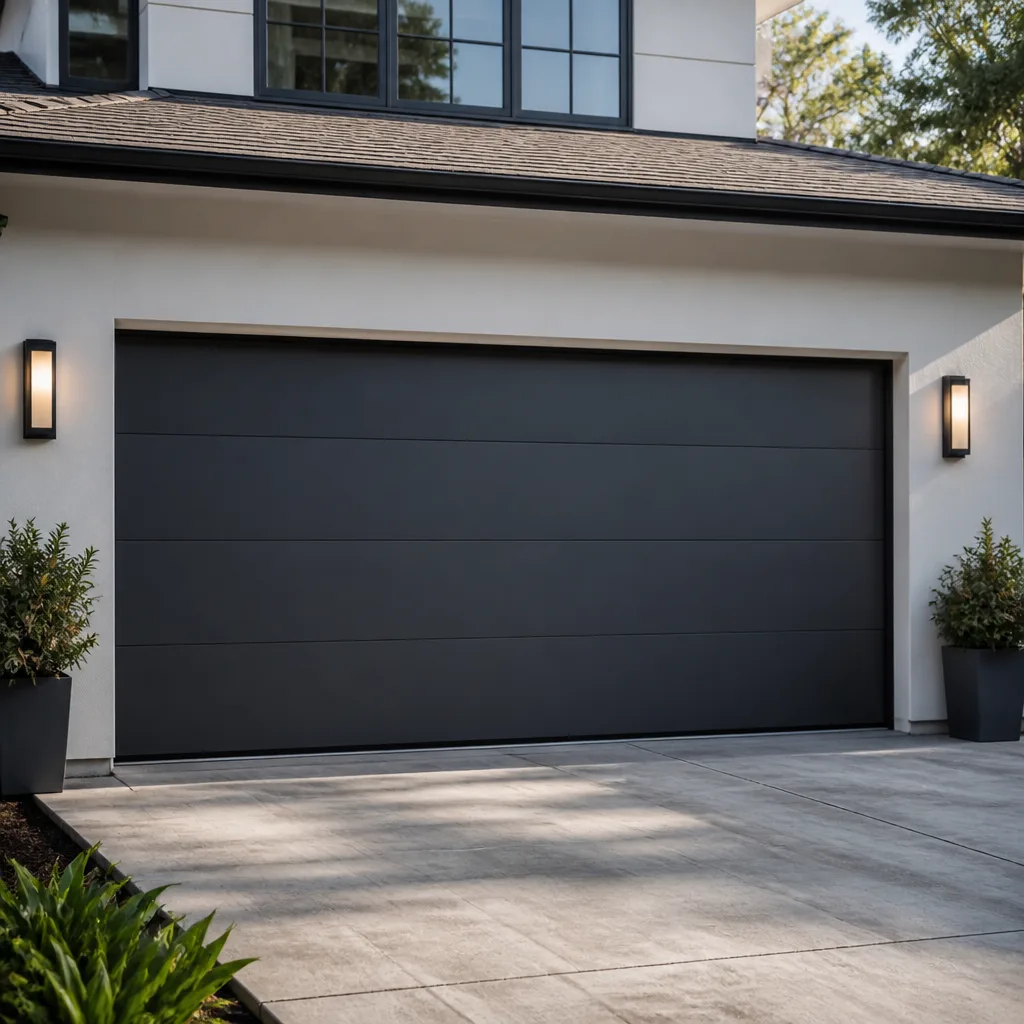 Modern flush
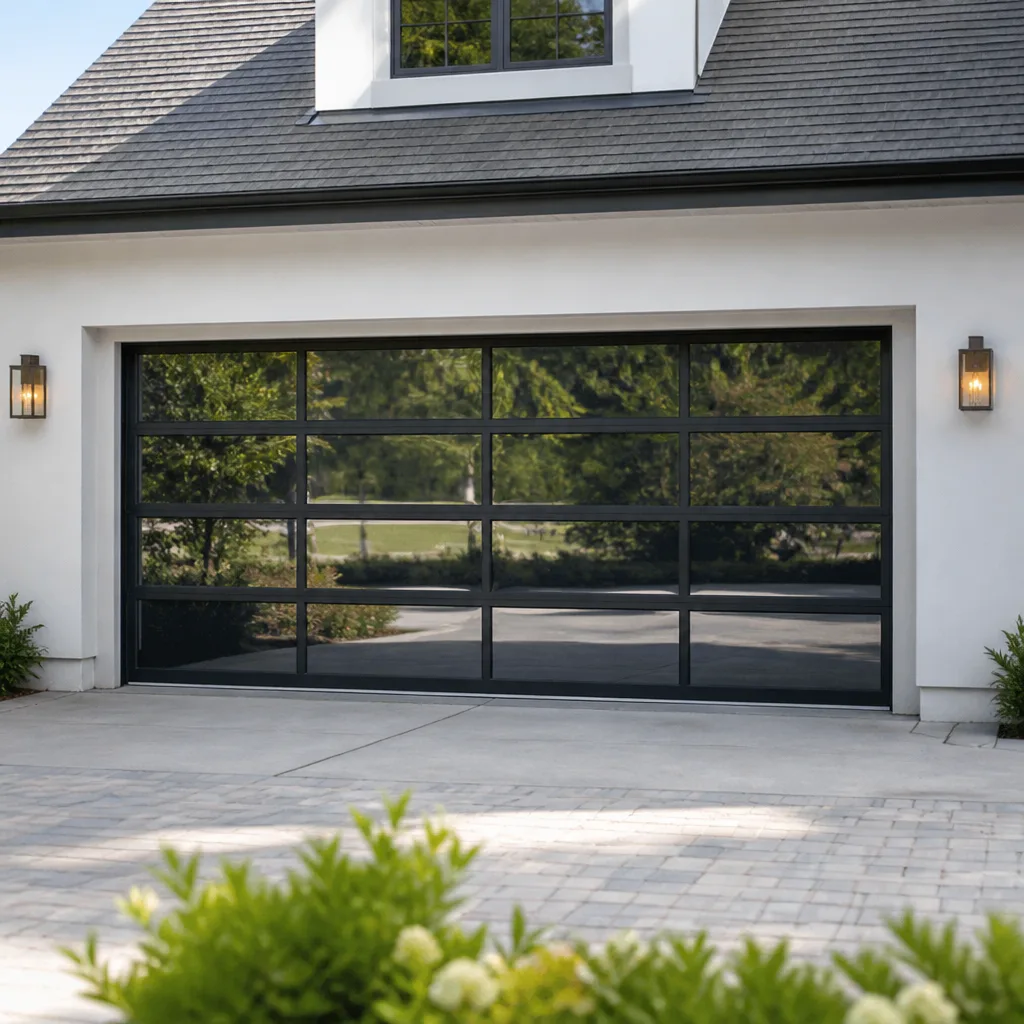 Full-view glass
 LiftMaster openers
 Chamberlain openers
Full 25-point door and opener safety check with every visit - springs, cables, rollers, tracks, and your LiftMaster or Chamberlain opener included
You get a price before we start. It does not change when the pro arrives.
Get your free estimateGarage Door Permits, Codes & Inspections in Pinellas Park, FL: What You Need to Know
Most homeowners assume a garage door swap is like replacing a faucet: as long as it fits and works, nobody needs to sign off on it. That assumption is where trouble starts in Pinellas Park. A garage door is a structural opening in your home’s wind envelope, and Pinellas County treats it as one. Replace it without the right paperwork and you can pass your own inspection with flying colors, then discover years later that a buyer’s inspector, an appraiser, or an insurance adjuster sees it differently. This guide walks through the Florida Building Code wind-load rules that apply here, when Pinellas Park actually requires a permit, what a county inspection checks, and how to verify that prior work on a home you’re buying was done to code.
Quick Answer
In Pinellas Park, a full garage door replacement requires a permit and a county inspection; a true like-for-like replacement of the same door model in the same opening with the same wind rating is often handled as a repair, and opener-only work typically does not require one. The door must meet Florida Building Code wind-load requirements for the address, which means the product’s approved rating has to match or exceed what the code calls for. Always confirm the specifics with the City of Pinellas Park’s building department before ordering a door, and get the permit question settled in writing with whoever installs it.
Styles & brands we work with
- Raised-panel steel
- Carriage house
- Modern flush
- Full-view glass
- LiftMaster openers
- Chamberlain openers
Table of Contents
- Why Garage Door Permits Matter More Here Than Most Homeowners Realize
- When Is a Garage Door Permit Required in Pinellas Park?
- Florida Building Code Wind-Load Rules and Your Garage Door
- What a Pinellas County Inspection Actually Checks
- Who Pulls the Permit: You or the Contractor?
- How to Verify Prior Garage Door Work on a Home You’re Buying
- Permits, Insurance Claims, and Home Sales
- Common Mistakes to Avoid
Why Garage Door Permits Matter More Here Than Most Homeowners Realize
The permit system exists because a garage door is one of the largest moving assemblies on a house, and in a high-wind event it’s also one of the first things to fail. When a garage door gives way, the wind pressure that enters the garage can lift the roof structure from underneath. That’s why building departments across Florida pay attention to garage doors specifically, and why Pinellas County’s inspection process treats an unpermitted replacement as a real problem rather than a technicality.
Homeowners in Pinellas Park run into this in two ways. The first is a door installed years ago by a previous owner, invisible until a buyer’s inspector flags it. The second is a new installation done without a permit because it seemed faster or cheaper. Both situations create the same headache: the work exists, but there’s no paper trail showing it was inspected and approved to code.
What the paper trail does is simple. It tells a future buyer, an appraiser, and your insurer that the door was installed to the wind-load standard required at that property. Without it, they’re relying on your word. Some take it. Some don’t.
Why this comes up so often in Pinellas Park
Pinellas Park has a large stock of older ranch-style homes where the original garage doors are reaching the end of their service life, and replacement is a common project. That’s a normal thing to do. The mistake is treating a replacement like a cosmetic upgrade when it’s really a building envelope change. If you’re already researching garage door repair versus replacement, it’s worth asking the permit question early, because it shapes which option makes sense.
Our technicians have up to 8 years of experience working with the brands most Pinellas Park homes actually have, and one thing we hear repeatedly is that homeowners were never told a permit was involved. That’s not always a contractor being careless. Sometimes the work genuinely didn’t require one. But you should know which case you’re in before the door goes up.
When Is a Garage Door Permit Required in Pinellas Park?
Permit rules aren’t one-size-fits-all. The same physical action, swapping a door, can be a permit-required project or a routine repair depending on what’s actually changing in the opening. Here’s how it usually breaks down in Pinellas Park, though you should always confirm the current rule with the city’s building department for your specific address.
Full replacement: almost always permitted
Changing the door to a different model, a different size, a different track configuration, or a new manufacturer generally triggers a permit. This is treated as an alteration to the structure’s wind envelope, and the new door’s product approval has to be verified against the wind-load requirement for that location.
Like-for-like replacement: often a repair, sometimes not
Swapping in the identical door model, in the identical opening, with the identical approved wind rating is frequently treated as a repair rather than a permitted alteration. “Frequently” is doing real work in that sentence. Some jurisdictions still require paperwork even for a same-model swap, and the difference between “same model” and “similar-looking model” matters. This is exactly the kind of question your installer should be able to answer in writing before the job starts.
Opener-only installation: typically no permit
Replacing a garage door opener is an electrical appliance change, not a structural one. Opener work on its own usually doesn’t require a building permit. That doesn’t mean it’s trivial – openers involve line voltage, and a poorly installed one can damage the door’s balance. If you’re dealing with an opener problem, our garage door opener repair handles the electrical and mechanical sides together.
Spring, cable, and roller work: no permit
Replacing springs, cables, rollers, or hinges is mechanical maintenance, not a structural change. No permit. But springs are the most safety-critical part on the whole assembly, and a spring that fails can cause serious injury or property damage. This is a job for a trained technician, not a Saturday project. Our garage door spring repair was built around exactly this kind of work.
Quick reference
- New door, different model or size: Permit almost certainly required; inspection follows.
- Same model, same opening, same rating: Often a repair; confirm with the building department.
- Opener replacement only: Typically no permit.
- Spring, cable, roller, hinge, track adjustment: No permit; mechanical repair.
- Decorative changes (paint, hardware swap on same door): No permit.
One more thing specific to Pinellas Park: because so much of the housing stock predates current code, a replacement door often needs to meet a current wind-load requirement that the original door never did. That gap is what makes the permit necessary in the first place, and it’s the reason a same-size door can still be a permitted change.
Florida Building Code Wind-Load Rules and Your Garage Door
Florida Building Code Section 1609 governs wind-load requirements for building components in Pinellas County, and garage doors fall under it. The short version: every door has an approved design pressure rating, and that rating has to meet or exceed the wind-load requirement for the specific address where it’s being installed. Two homes a few blocks apart can have different requirements depending on exposure category and other factors.
This is where a lot of installations go quietly wrong. A homeowner picks a door they like, a contractor installs it, and nobody checks the product approval against the site’s requirement. If the door’s rating falls short, the installation is out of compliance even though it looks fine and works smoothly.
What the product approval means
Manufacturers publish product approvals showing each door model’s tested design pressure. Doors from Clopay, Amarr, and Wayne Dalton, for example, come in multiple build configurations with different ratings. A door in one configuration meets the requirement for a given property; the same visual door in a lighter-duty configuration might not. The approval document is the proof, and it has to match the model actually installed, not the model on the brochure.
How to confirm your door meets the requirement
- Get the wind-load requirement for your Pinellas Park address from the building department.
- Ask the installer for the product approval for the exact model and configuration being installed.
- Compare the design pressure rating on that approval to the requirement.
- Confirm the installed door’s label or serial number matches the approved model.
- Keep the product approval with your home records, alongside the permit and inspection documentation.
We work on the brands homeowners already have, including Clopay, Amarr, and Wayne Dalton, and this fifth step is the one people forget. The document matters as much as the door, because it’s what an inspector, buyer, or adjuster will ask for.
What a Pinellas County Inspection Actually Checks
An inspection for a permitted garage door installation isn’t a general look-and-nod. It’s a checklist, and knowing what’s on it helps a job pass the first time. In our experience, most failures come from documentation mismatches rather than bad installation work.
What the inspector is verifying
- The installed door matches the model and configuration on the approved product approval.
- The design pressure rating on that approval meets or exceeds the requirement for the address.
- Fasteners, anchors, and brackets follow the manufacturer’s installation instructions for the assembly.
- Track attachment, headroom, and sideroom clearances are within the manufacturer’s spec.
- The door is balanced, the panels operate without binding, and the safety features (like the photo-eye sensors and auto-reverse function) are working.
- Permit and product documentation are on site for the inspector.
Common reasons an inspection fails
The most common failure we see is a door installed differently from the product approval. Maybe a different gauge of track was used, or the anchoring pattern was changed by a few inches. Those small deviations can void the approval. The second most common is missing paperwork at the time of inspection, which just means a return visit and a delay. The third is a door that was never permitted in the first place, at which point you’re not failing an inspection – you’re failing to have had one.
None of these are hard to avoid. They just require the installer to be organized and to treat the inspection as part of the job rather than an afterthought. If you’re planning a full replacement, our Pinellas Park Garage Door Repair can walk you through what the inspection will look for on your specific address before the door is ordered.
Who Pulls the Permit: You or the Contractor?
The short answer most homeowners get wrong: the person installing the door is generally responsible for pulling the permit, and it should be explicit in the contract that they will. A homeowner can pull a permit for work on their own home in many jurisdictions, but doing so shifts the inspection responsibility, the scheduling, and the compliance burden onto you. That’s a lot of overhead for a door installation.
The bigger reason it matters is that some installers quietly leave the permit out. Not always maliciously. Sometimes it’s because the homeowner never asked, and the installer treats it as a repair. Sometimes it’s because pulling a permit means waiting for the inspection before the job is closed out. And that’s the risk part: when a contractor skips a required permit, the non-compliance lives on your property, not theirs.
What a clean installation contract should say
- Who pulls the permit and schedules the inspection.
- Who pays for permit fees, if any.
- The exact door model and configuration, matching the product approval.
- The wind-load rating and product approval document number.
- What happens if the inspection fails on the first visit (who fixes it, who pays).
That fifth line is worth pushing on. It’s not a red flag if a contractor can answer it clearly; it’s a red flag if they can’t. A professional who’s done this before doesn’t blink at the question.
If your door has reached the end of its life and you’re weighing your options, this is a good moment to sort out the permit question before ordering anything. We’ve helped many Pinellas Park homeowners through exactly this step while evaluating a new installation, and the conversation goes faster when the paperwork question is settled first.
How to Verify Prior Garage Door Work on a Home You’re Buying
If you’re buying a home in Pinellas Park and the garage door was replaced by a previous owner, proving it was inspected and approved is one of the more concrete due-diligence items on your list. It’s also one that many buyers skip until the inspector flags something. Here’s the process, in order.
Step-by-step verification
- Pull the property’s permit history. The City of Pinellas Park’s building department and Pinellas County’s online permit records are where to start. Search by address and look for any permit related to the garage door.
- Confirm the permit was closed out with an inspection. A permit that was filed but never inspected, or inspected and failed, isn’t a completed job. Ask for the final inspection result.
- Request the product approval documentation for the door. The seller may still have it in their home file. If not, the manufacturer can often identify the model from the door itself and confirm the approved configuration.
- Compare the rating to what the code requires at the property. This is the step most buyers miss. An installed door with a lower rating than the address requires is out of compliance even if the install was inspected long ago.
- Check for a sticker or label on the assembly. Most door assemblies carry identifying information that corresponds to the product approval. If it’s missing or mismatched, that’s a question for the seller.
What you’re trying to avoid here is buying a home with an unpermitted replacement and discovering it after closing, when the correction cost and the scheduling burden fall on you. Ask the question during the inspection period while you still have negotiation room.
When we’re called in to assess a door on a house being purchased, the conversation often leads to a repair or a full installation once the code question is resolved. Our garage door repair work on existing doors is a common starting point for exactly this reason.
Permits, Insurance Claims, and Home Sales
Two of the most expensive moments to discover a permit gap are an insurance claim and a home sale, and both come up in Pinellas Park more often than most homeowners expect.
Why insurance cares
If a garage door fails during a high-wind event and the claim adjuster discovers the door was replaced without a permit, the insurer may dispute coverage for the resulting damage. Whether that happens depends on the policy and the specific facts, but the possibility alone is worth avoiding. The paper trail is what removes the argument.
Why buyers and their inspectors care
A buyer’s inspection report that notes “garage door: appears to be replaced, no permit on record” gives a buyer leverage. Sometimes it means a price renegotiation. Sometimes it means the sale stalls while the seller figures out how to get the work permitted retroactively. Either way, it’s avoidable if the paperwork was done at the time of the replacement.
What this means for you in practice
- Treat the permit as part of the project budget, not an optional add-on.
- Keep the product approval, permit number, and inspection sign-off together with your home records.
- If you’ve inherited a door with no record, don’t panic; talk to the building department about how to address it.
- If a door fails during a storm, having the paperwork on hand makes an insurance conversation much easier.
None of this is about scare tactics. It’s about the reality that a garage door is one of the few upgrades to a home that can carry a code-compliance record worth money down the line.
Common Mistakes to Avoid
- Assuming a same-size door doesn’t need a permit. Size isn’t the trigger; model configuration and wind rating are. A new door in the same opening can still be a permitted alteration in Pinellas Park if the model or rating changes.
- Letting the installer skip the paperwork and treating it as their problem. Non-compliance attaches to the property, not the installer. If they’re gone next year, you own the issue.
- Not comparing the door’s product approval to the wind-load requirement for your specific address. A door with a strong rating on the brochure can still fall short if it was manufactured in a lighter configuration. Approvals are configuration-specific.
- Losing the paperwork after the job. A permit file in a folder in your home records is worth far more than a permit number on a receipt. Keep the product approval, the inspection sign-off, and the door’s identifying label together.
- Buying a Pinellas Park home without pulling the garage door permit history. This is a five-minute online check during the inspection period, and it can prevent a costly correction after closing.
- Assuming a door replaced years ago is problem-free. Code requirements change over time. A door installed to the standard of its era may not match the standard a buyer’s inspector applies now.
- Letting spring work slide in favor of the paperwork question. Springs and cables carry serious stored energy and can cause real injury. That’s a mechanical safety issue, not a permit issue, and it belongs in the hands of a trained technician.
See the difference
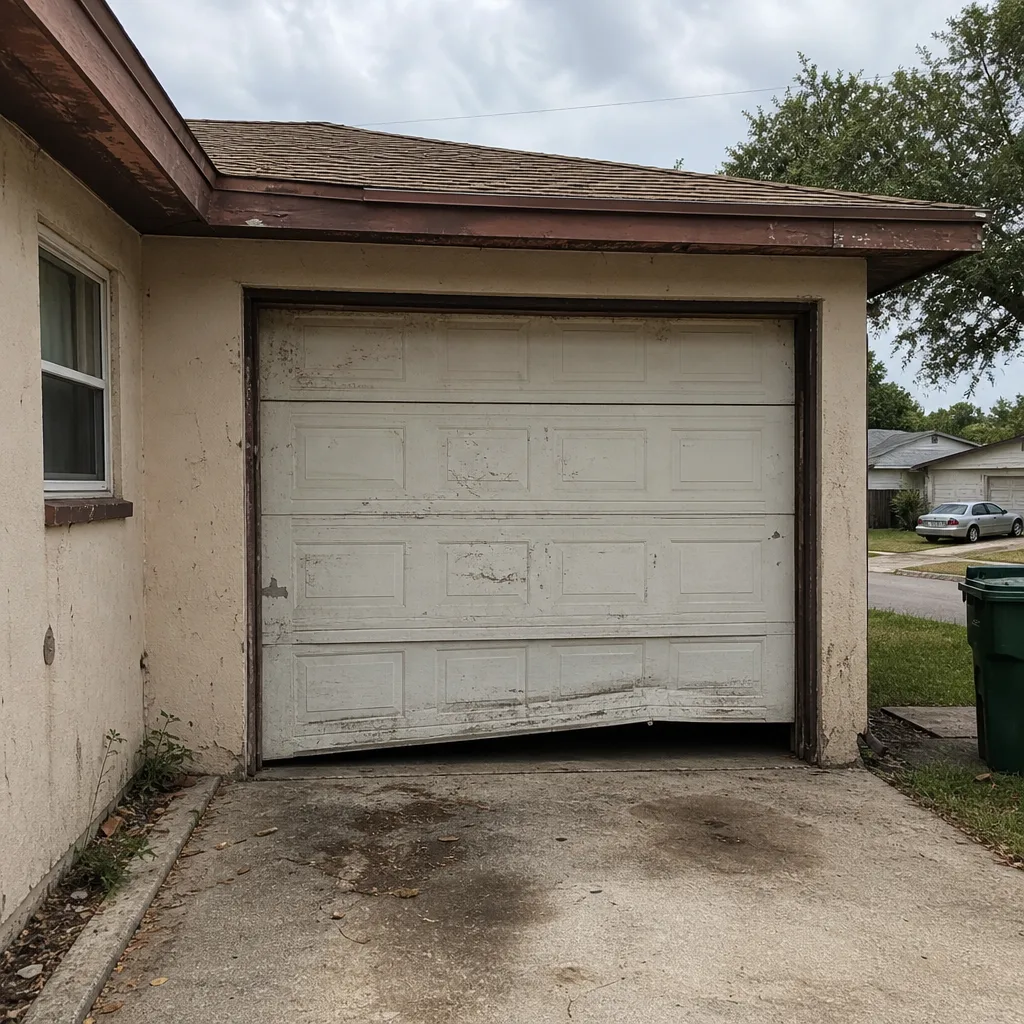 Before
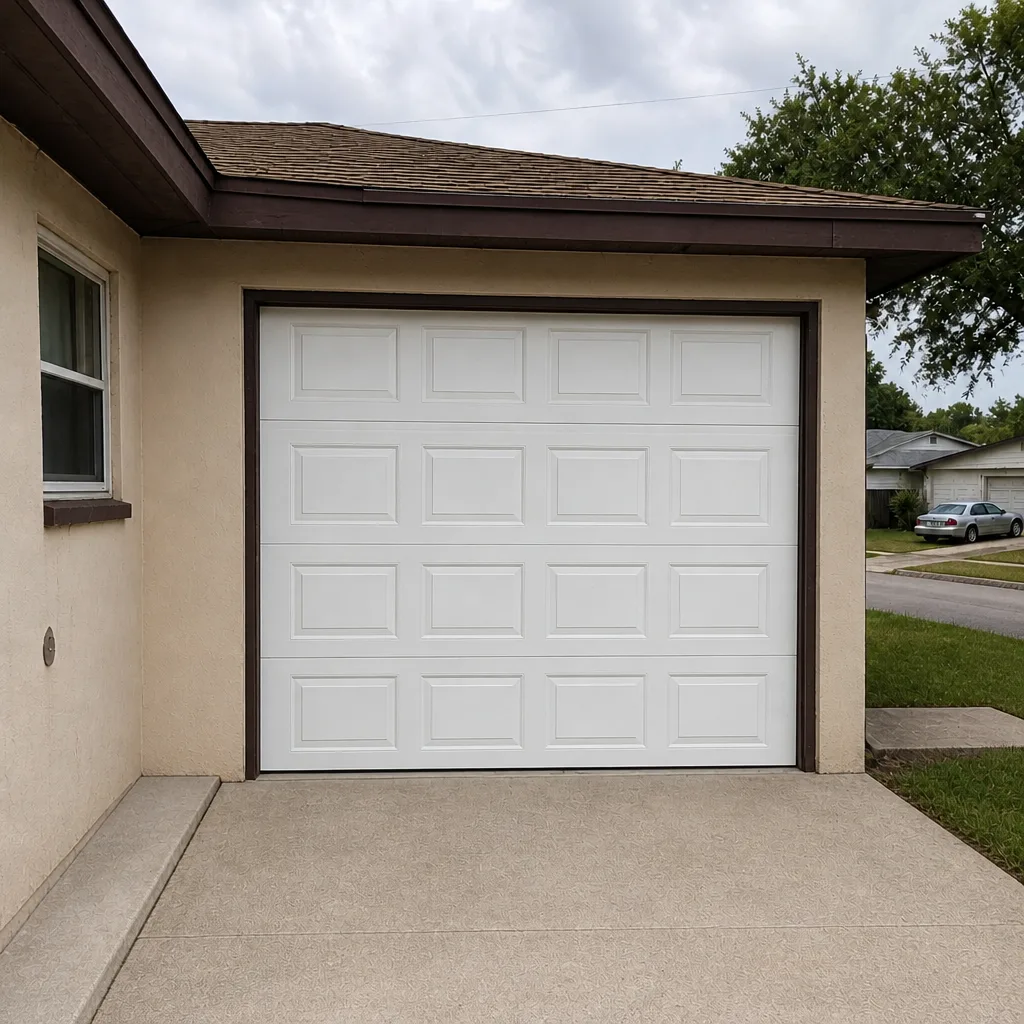 After
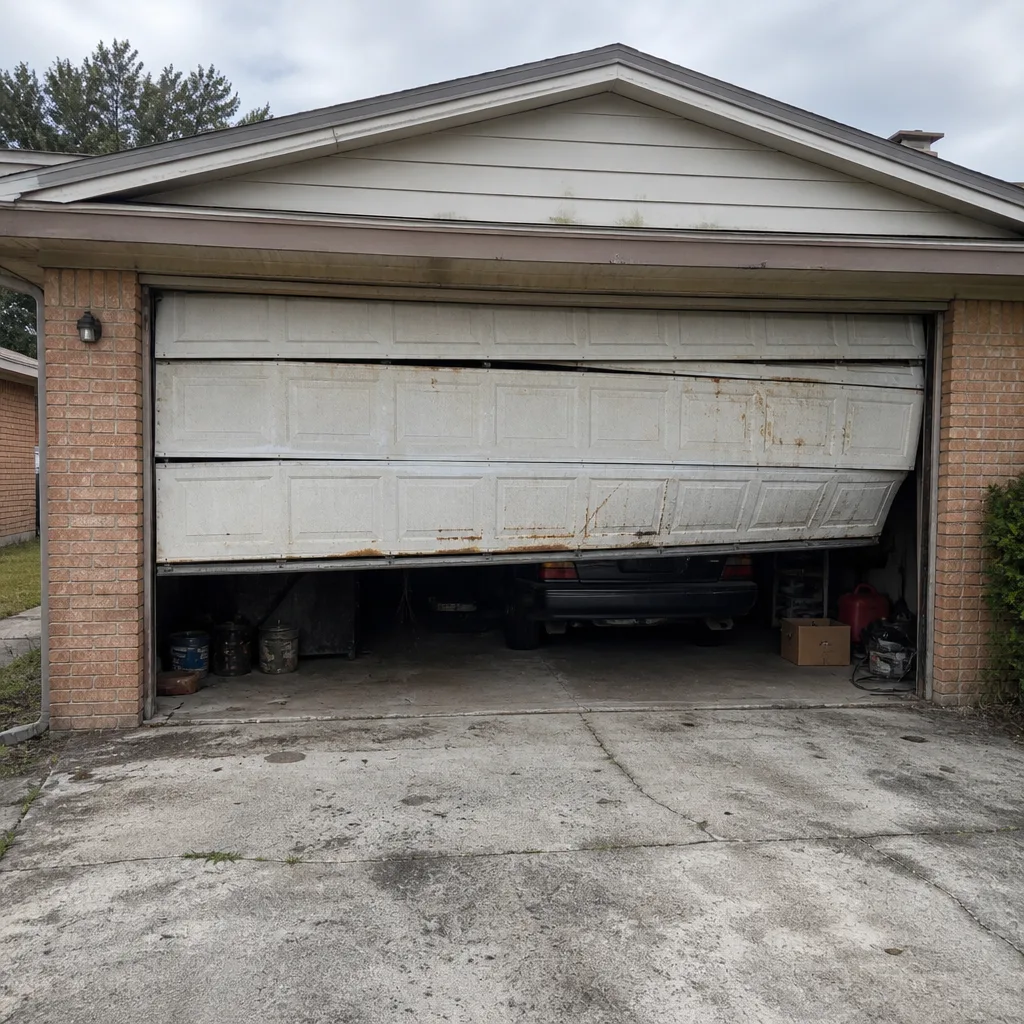 Before
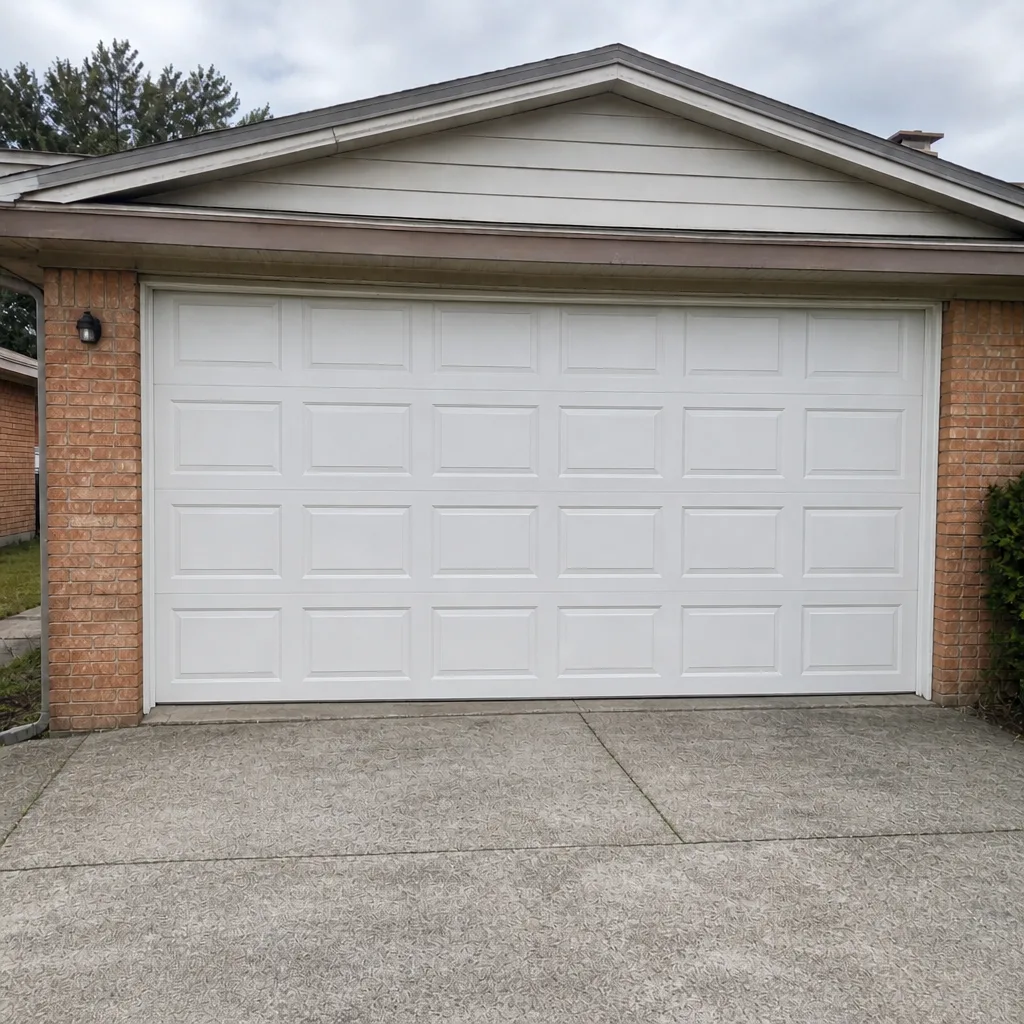 After
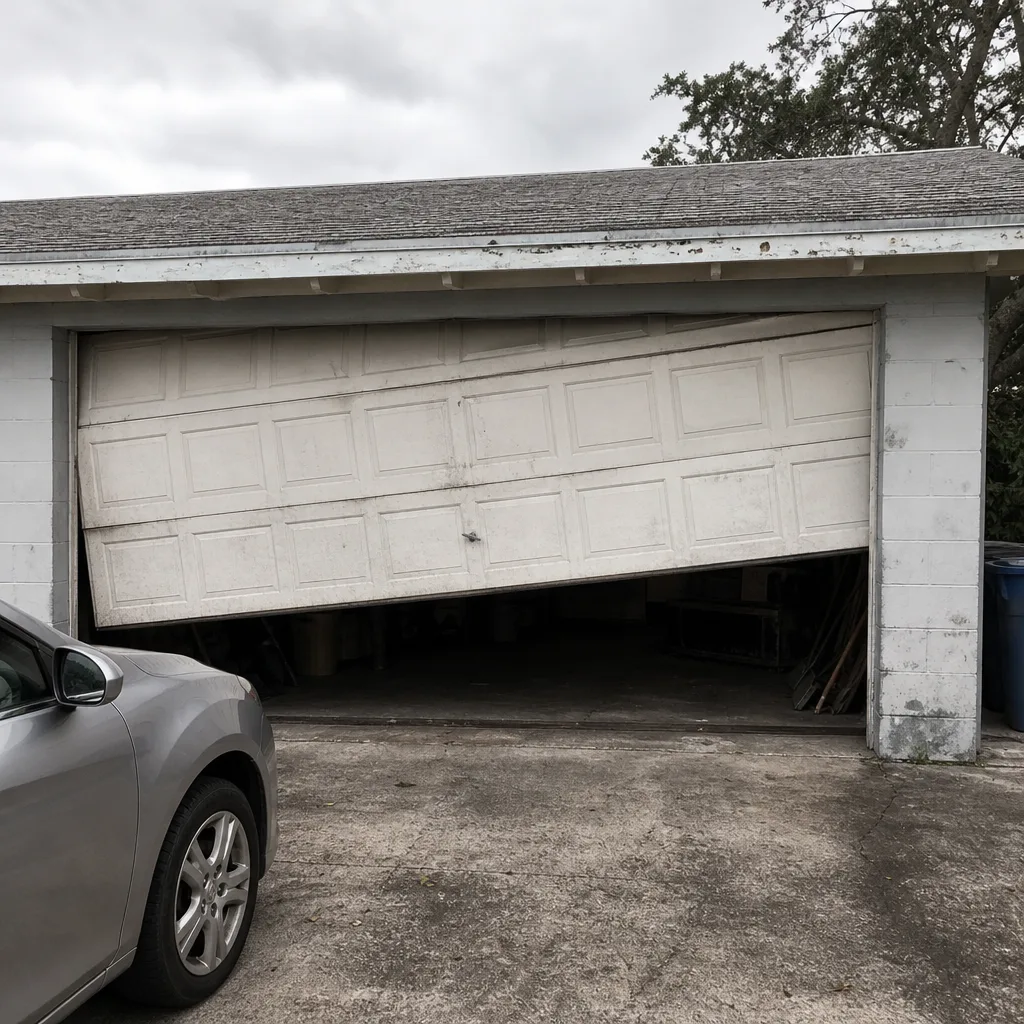 Before
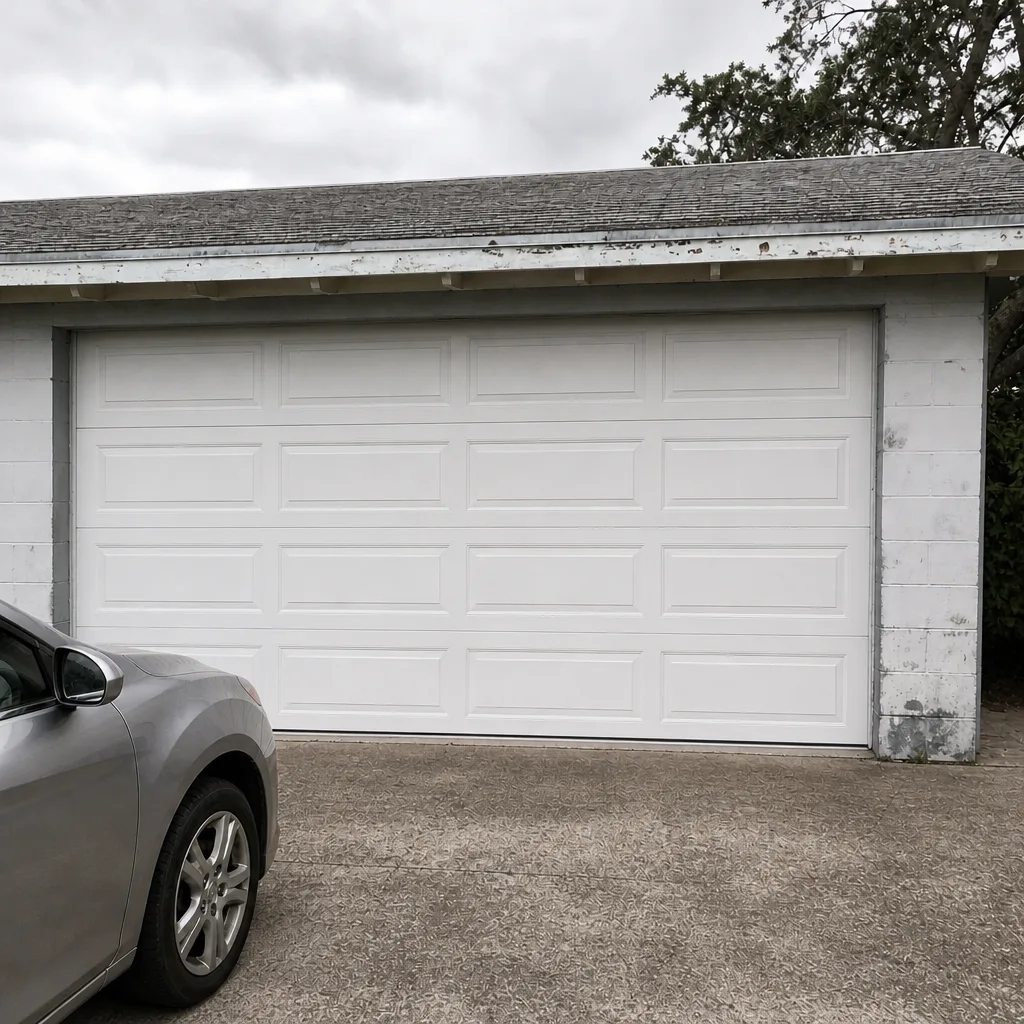 After
When to Call a Professional
Call a professional when the door needs to be replaced and the permit question isn’t already answered; when a door is installed and you’re not sure whether it was inspected; when an inspector flags prior work on a home you’re selling or buying; when the door’s product approval needs to be verified against the code requirement for the address; or when spring, cable, or opener repair crosses into mechanical work that’s genuinely dangerous. Springs and cables in particular carry stored tension that can cause serious injury, and that work belongs to a trained technician. Pinellas Park Garage Door Repair offers free estimates in Pinellas Park – call (877) 509-4184 and we’ll walk you through the permit options, the correct door configuration for your address, and what the inspection will look for.
Frequently Asked Questions
Yes, in most cases. A full garage door replacement in Pinellas Park typically requires a permit and a county inspection, especially when the door model, size, or wind rating changes. A true like-for-like swap of the identical model in the identical opening is sometimes treated as a repair, but that depends on the specific door and the building department’s current interpretation, so it’s worth confirming. Call (877) 509-4184 for a free estimate and a permit walkthrough.
Your door must have a design pressure rating that meets or exceeds what Florida Building Code Section 1609 requires for your specific address, which depends on factors like exposure category. There isn’t a single number that applies to all homes in Pinellas County. Check with the city’s building department for the requirement at your property, then compare it to the door’s product approval document. Call us at (877) 509-4184 if you’d like help reading the approvals side by side.
Permit fees are set by the jurisdiction and vary by scope, so we don’t quote them here. The fee is typically modest compared to the door and installation cost, and the installer can usually tell you the exact figure when you ask for an estimate. The bigger issue is having the permit at all, because skipping it is what creates the expensive problem later. Call (877) 509-4184 for a free estimate that includes the permit picture for your address.
You can physically install a door yourself, but installing a door that requires a permit without one leaves the work unpermitted and un-inspected, and that record lives with the property. The door also has to meet the wind-load requirement for your address, which means matching the product approval to the code, and that’s easy to get wrong without the right documentation. Call (877) 509-4184 and we’ll help you understand the code side before you commit.
The installation contractor is generally responsible for pulling the permit and scheduling the inspection, and it should be spelled out in the contract. A homeowner can pull a permit for their own home in many jurisdictions, but that shifts the burden of inspection scheduling and compliance to you. Insist on clarity in writing before the door is ordered. Call (877) 509-4184 for a free estimate and a contract that answers this on paper.
Pull the property’s permit history through the City of Pinellas Park’s building department or Pinellas County’s online permit records, searching by address. Look for a permit related to the garage door and confirm the final inspection was passed. Then request the door’s product approval and compare its rating to the requirement at the address. Call (877) 509-4184 if you want a professional opinion before the inspection period ends.
The Bottom Line
Garage door permits in Pinellas Park aren’t red tape. They’re the record that says your door meets the wind-load standard for your address, was installed to the product approval, and passed inspection. That record matters at three moments: when an inspector walks the property, when an adjuster opens a storm-damage claim, and when a buyer combs through your permit history. Get the permit when the door goes in, keep the product approval with the door’s identifying information, and don’t skip the same question when you’re buying a home with a replaced door. Springs, cables, and openers are separate concerns, and they still benefit from a trained technician who works on the brands you already own. Pinellas Park Garage Door Repair handles the full range, from opener trouble to a full door replacement, with free estimates and upfront pricing agreed before any work starts.
Written by the team at Pinellas Park Garage Door Repair.