Last updated November 23, 2026
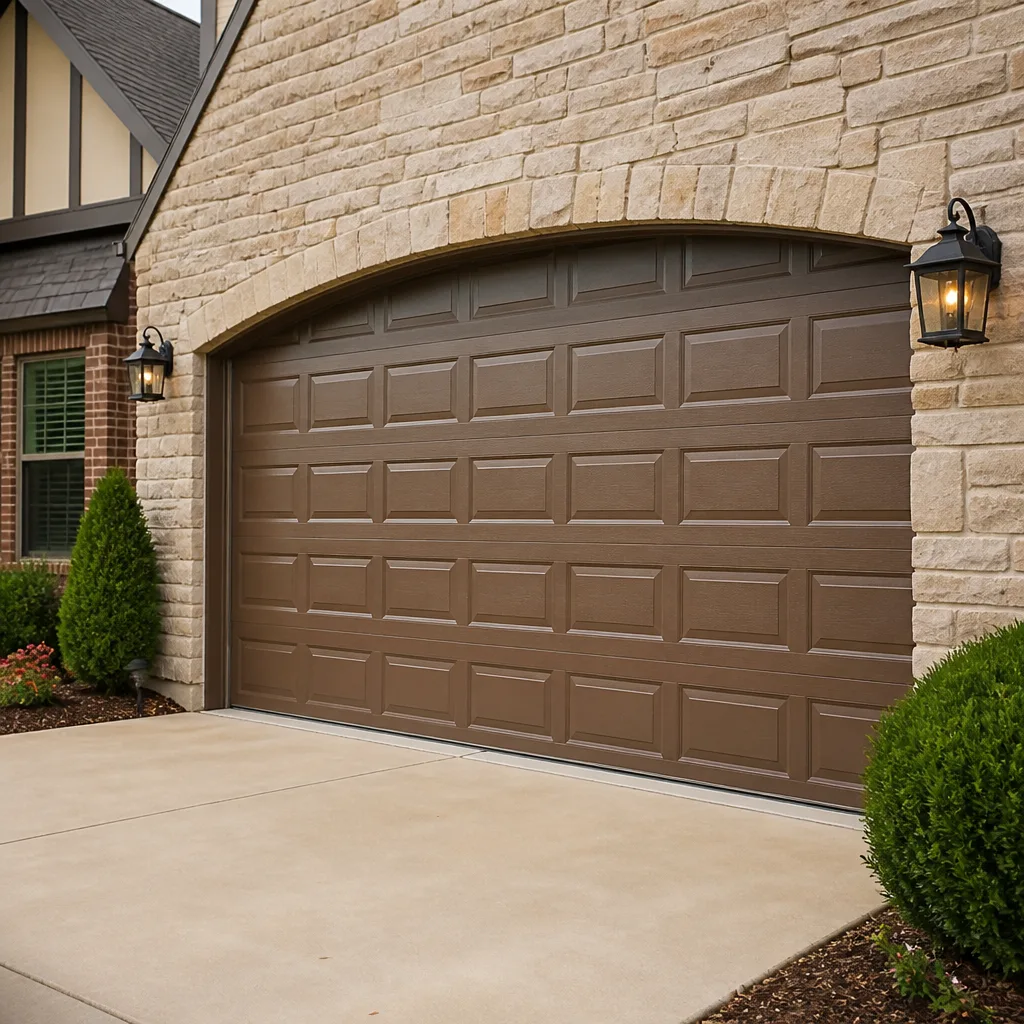 Raised-panel steel
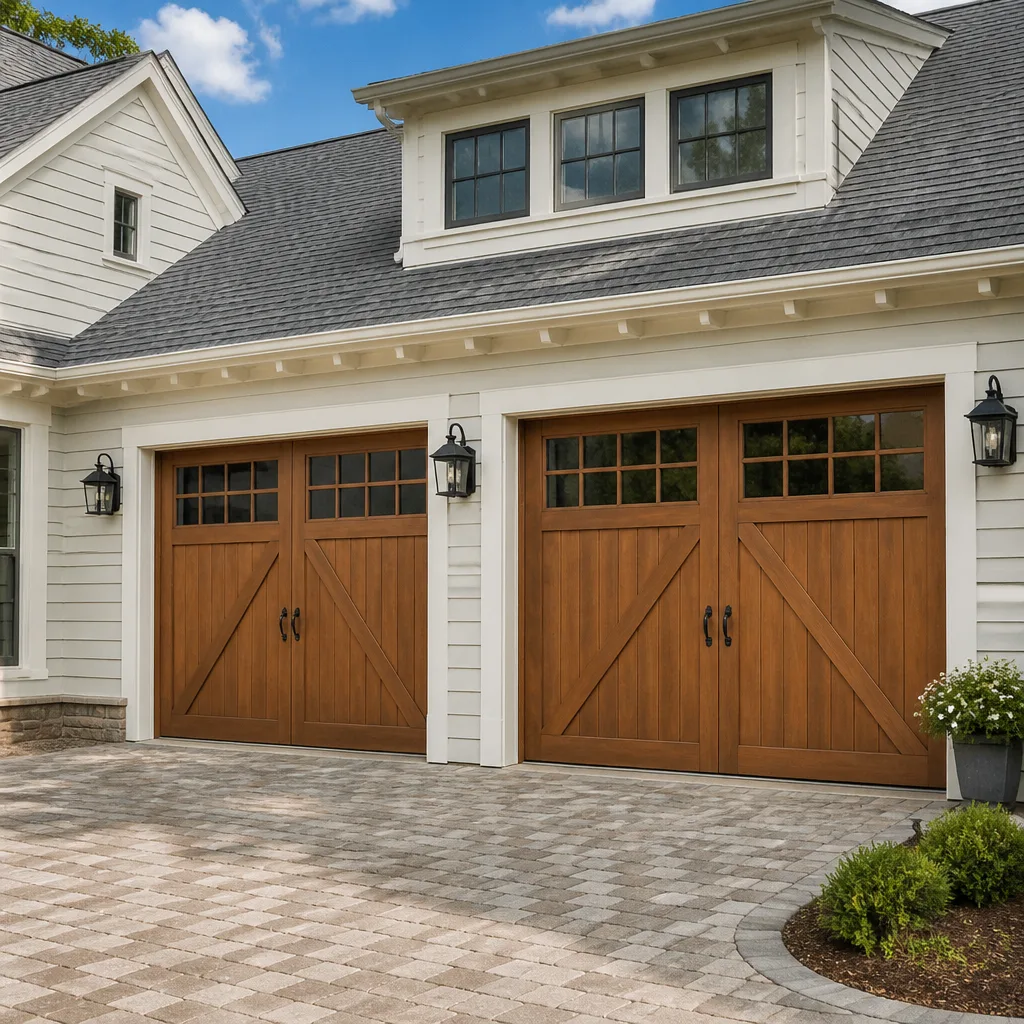 Carriage house
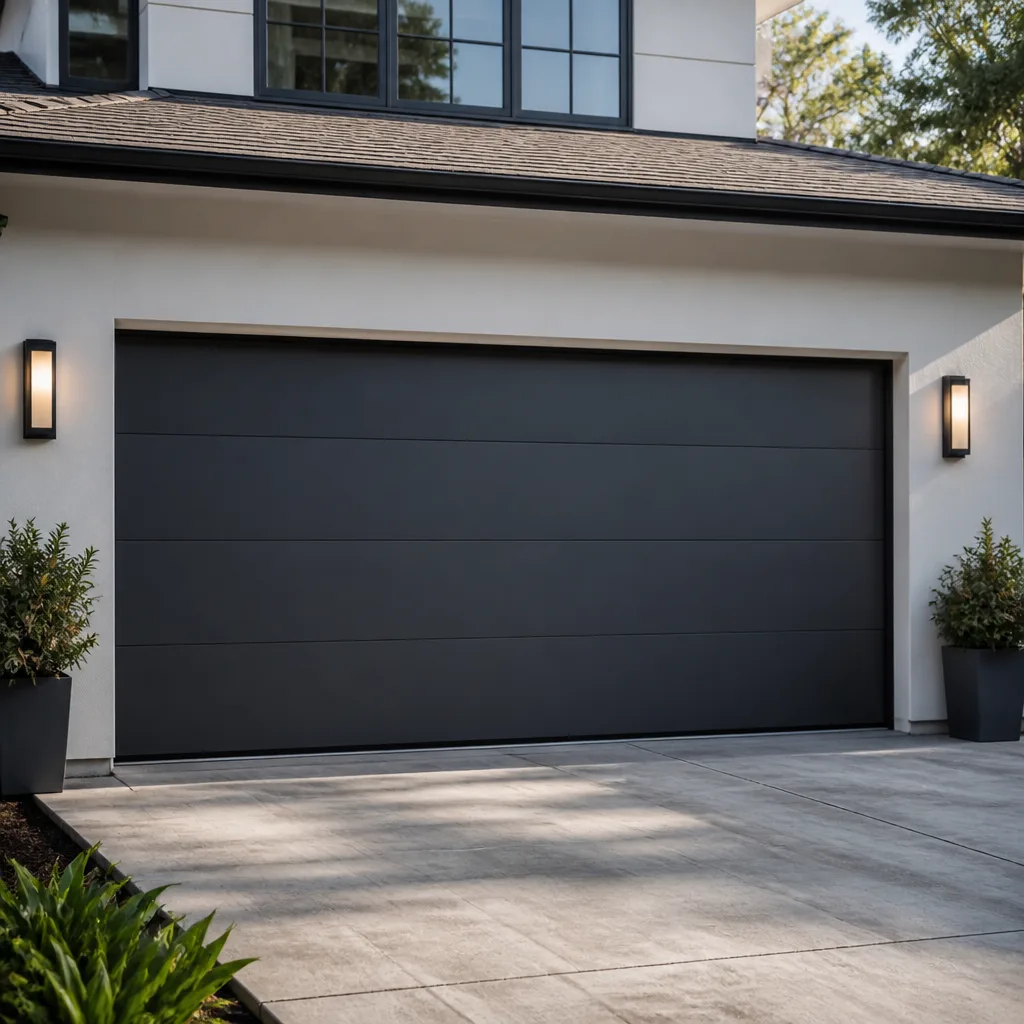 Modern flush
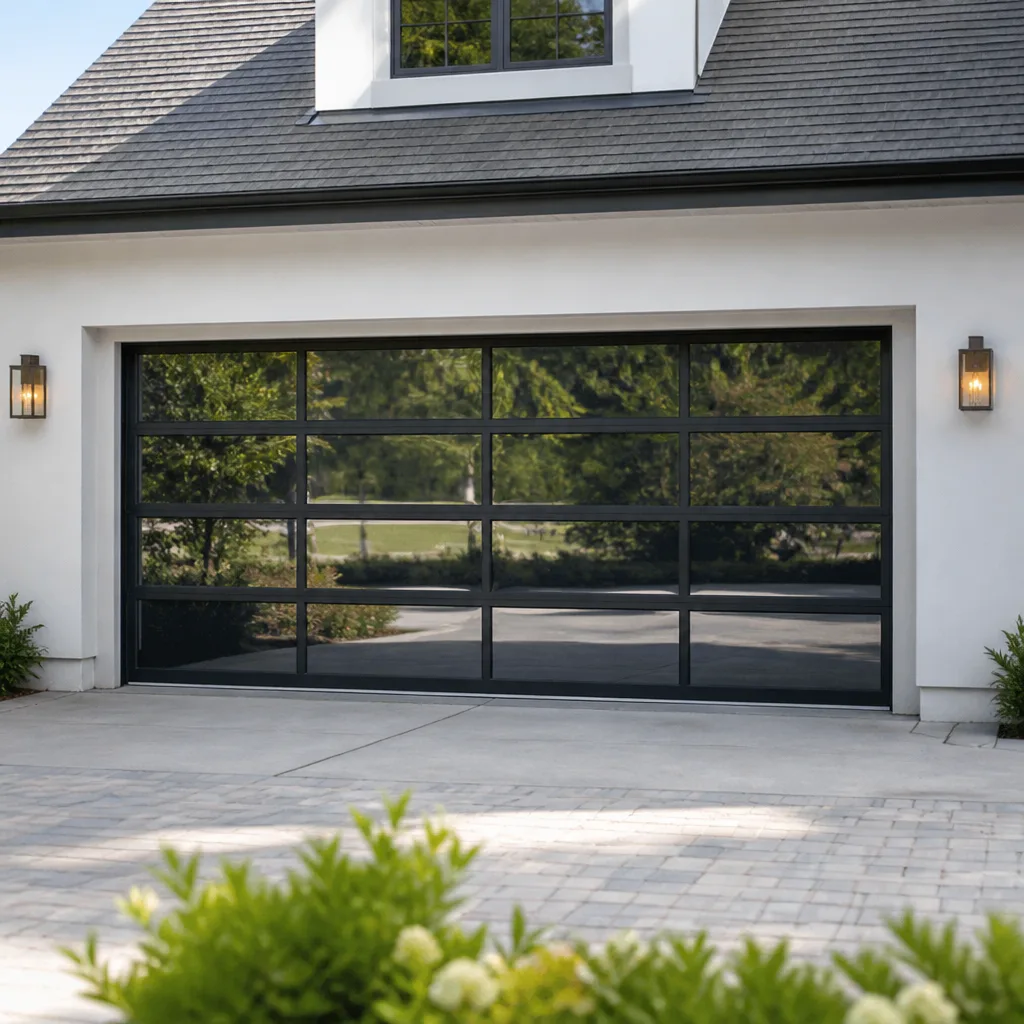 Full-view glass
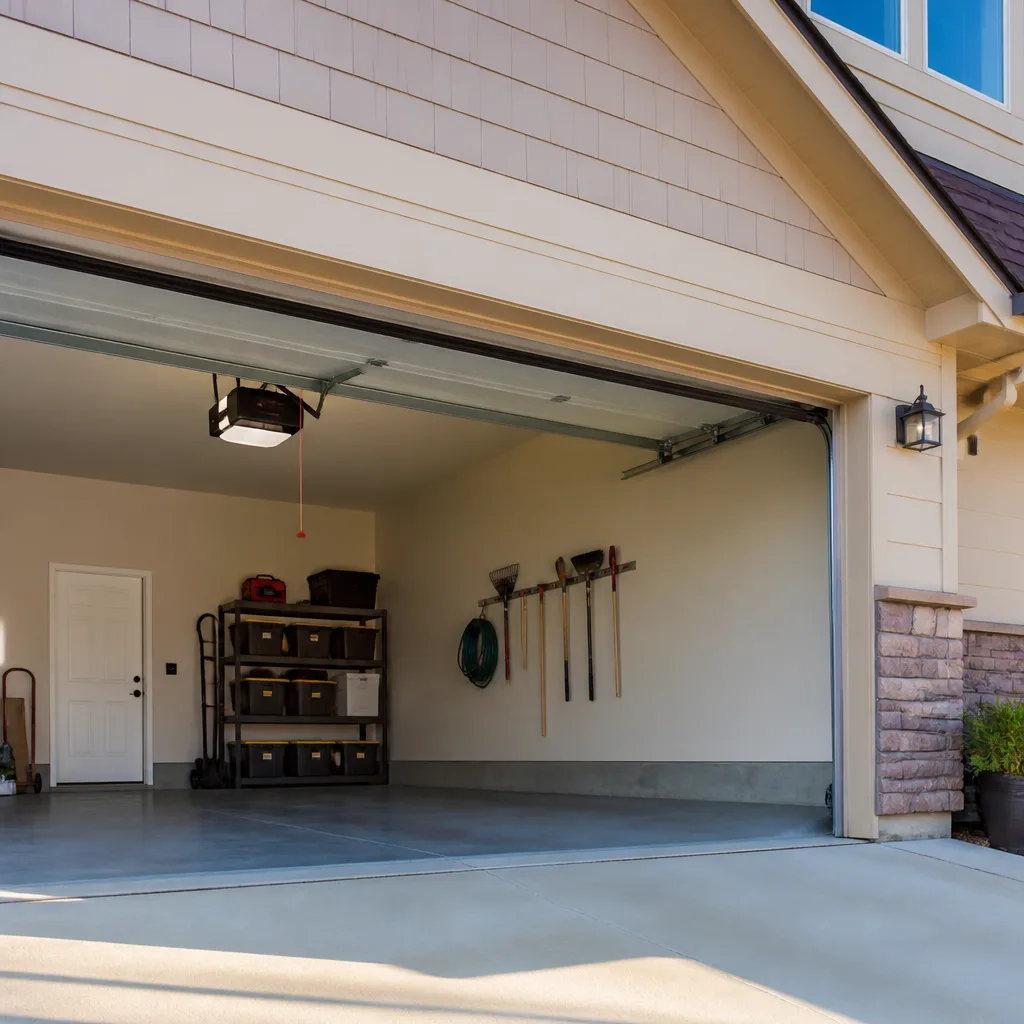 LiftMaster openers
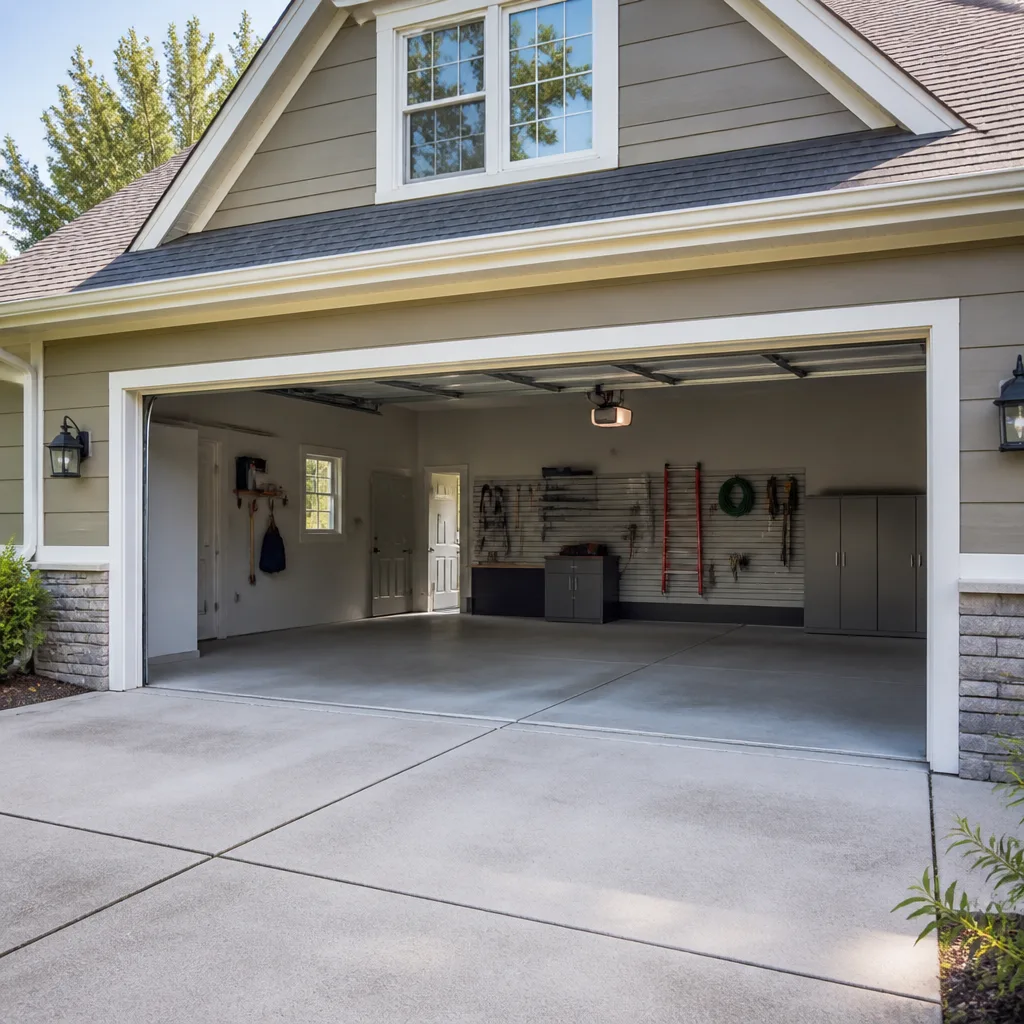 Chamberlain openers
Full 25-point door and opener safety check with every visit - springs, cables, rollers, tracks, and your LiftMaster or Chamberlain opener included
You get a price before we start. It does not change when the pro arrives.
Get your free estimateGarage Door Warning Signs: A Pinellas Park Homeowner’s Reference Guide
A garage door that hesitates for one second before closing isn’t a quirk. It’s the opener working harder than it should, and that extra effort usually points to a spring, a cable, or a track issue creating resistance the motor is barely compensating for. Most failures don’t arrive without warning. Homeowners just don’t know what the warnings look like. In Pinellas Park, the humidity, the afternoon storms, and the way homes here are built introduce symptoms you won’t find in a generic repair guide. This reference walks through the noises, movements, and visual cues that tell you something is about to break, and what each one means.
Quick Answer
Garage door warning signs fall into four groups: unusual sounds (grinding, popping, squealing), uneven or jerky movement, visible damage to springs or cables, and opener behavior changes like slow response or blinking lights. Any one of these means a component is wearing and the door should be inspected before it fails completely. In Pinellas Park, humidity accelerates spring corrosion and cable fraying, so visual checks matter as much as listening.
Styles & brands we work with
- Raised-panel steel
- Carriage house
- Modern flush
- Full-view glass
- LiftMaster openers
- Chamberlain openers
Table of Contents
- What the Noises Mean: Grinding, Popping, and Squealing
- Inspecting Your Springs: Surface Rust vs. Structural Failure
- Cables and Humidity: Fraying Patterns You Shouldn’t Ignore
- When the Door Closes Unevenly, Bounces, or Reverses
- Opener Warning Signs, Decoded by Brand Behavior
- Tracks, Rollers, and Hinges: The Wear Points Nobody Checks
- Why Pinellas Park Conditions Change the Warning Signs
- A Simple Inspection Routine for Pinellas Park Homeowners
What the Noises Mean: Grinding, Popping, and Squealing
Sound is the earliest warning a garage door gives you, and the type of sound narrows down which component is failing. In our experience across Pinellas Park, homeowners often describe three noises without realizing each points somewhere different.
Grinding usually comes from the opener’s gear and rail assembly, or from metal rollers dragging in worn tracks. It’s a low, continuous rasp that gets louder through the travel of the door. Grinding in a LiftMaster or Chamberlain opener often traces to a stripped gear or a rail that’s out of alignment, and it worsens the longer it’s ignored.
Popping is sharper and often periodic. A single loud pop when the door starts to move can mean a torsion spring is binding, or a cable is slipping on its drum. Repeated popping as the door travels frequently indicates a roller that has seized and is jumping the track. In higher humidity, a dry pivot or hinge can also pop as metal moves against metal.
Squealing is the easiest to identify and the least serious. It typically means rollers, hinges, or the torsion tube need lubrication. The catch in Pinellas Park: squealing that appears only during the wetter months can signal a bearing that’s degrading, and lubrication alone won’t fix it. If the squeal returns quickly after greasing, ask a technician to look at the bearings and rollers rather than re-greasing indefinitely.
If you’re hearing any of these consistently, the underlying cause deserves professional eyes. A trained technician can isolate the source in one visit rather than a series of guesses, which is why we frame these sounds as your door talking to you before something lets go.
Inspecting Your Springs: Surface Rust vs. Structural Failure
Springs are the most dangerous component on your garage door. They hold tremendous tension, and a spring under load can cause serious injury if handled by anyone who isn’t trained. That’s why inspection is about looking, not touching: you want to recognize warning signs from a safe distance and let a professional do everything else.
Two types of springs exist. Torsion springs mount horizontally above the door. Extension springs run along the sides. The warning signs differ.
Torsion springs
- Surface rust: a light, even orange-brown film on the coils is common in Florida humidity. It looks bad but isn’t the danger sign.
- Structural rust: dark pitting, flaking, or thinning metal where section has visibly come away. This is the compromised kind and warrants replacement.
- Gap test: stand back and look for a gap in the continuous coil. A torsion spring that has broken typically shows a clean gap where the coil has separated.
- Uneven tension: if the door feels heavier on one side or the spring coils look jumbled, tension has likely been lost.
Extension springs
- Stretched or elongated coils at rest mean the spring has lost its capacity to counterbalance the door.
- Missing safety cables: this is a red flag. If you see extension springs without a cable running through them, have a technician look immediately.
In Pinellas Park, we see surface rust form faster than homeowners expect because of the humidity, so annual visual checks matter. Never attempt to loosen, adjust, or remove a spring yourself. When a spring is showing structural rust or a gap, the safe path is a professional call. Our garage door spring repair service exists precisely because springs are dangerous and require trained handling.
Cables and Humidity: Fraying Patterns You Shouldn’t Ignore
Cables work with the springs to lift the door, and they fail in predictable ways. A cable warning sign you should never ignore: fraying near the drum, at the bottom corner bracket, or where the cable bends. A single broken strand means the cable’s capacity is reduced, and a full snap is what follows.
Pinellas Park’s humidity contributes to a specific pattern. Moisture exposure accelerates surface oxidation on the cable wire, which slightly weakens the strands and makes fraying more likely over time. Homeowners often notice a tangle of loose wire at the bottom bracket first, or a cable that’s visibly slacker than it should be. Either way, it’s a hard stop. Don’t run the door. A snapped cable can whip unpredictably and damage the door, the opener, or worse.
Additional cable warning signs:
- A visible kink or bend in the cable where it shouldn’t flex
- Cable riding off the drum and bunching on one side
- A door that feels noticeably heavy when lifted manually
- Loud snaps or twangs from the side of the door when opening
Our garage door repair technicians treat a fraying cable as an emergency, because it can go from “looks a bit worn” to “won’t open” without much warning. Call us rather than running the opener to see what happens.
When the Door Closes Unevenly, Bounces, or Reverses
Movement tells you as much as sound. Watch the door the whole way through its travel. If it shows any of these patterns, something is out of balance.
- Closes unevenly (one side hits first): likely a cable, spring, or track issue. The opener strains against the imbalance and eventually overloads.
- Bounces at the bottom: usually a sign the door is hitting too hard, meaning the travel/lock limit on the opener is off, or a roller is binding. It can also indicate worn bottom brackets.
- Reverses for no reason: the safety sensors are blocked, misaligned, or dirty. Before assuming a major repair, wipe down the sensors and confirm they’re facing each other with no obstruction. If reversal continues, the sensor or opener logic board may need a look.
- Stops partway up or down: the opener’s travel limits need adjustment, or the door is binding on a track.
- Hangs open in odd positions: springs losing tension, or a broken spring you haven’t spotted yet.
A simple manual balance test: with the door about halfway up, disconnect the opener (pull the release handle) and release the door. A properly balanced door stays put or drifts slowly. If it falls or rises hard, balance is off. Do this test only if the door is intact and there’s no obvious spring or cable damage. If you’re unsure, skip the test and have a technician check it, because the door is heavy enough to cause injury if it drops unexpectedly.
Opener Warning Signs, Decoded by Brand Behavior
Openers fail differently depending on brand, and knowing your opener’s behavior helps you describe the problem clearly when you call. The four most common openers in Pinellas Park homes are LiftMaster, Chamberlain, Genie, and Craftsman.
LiftMaster and Chamberlain
These use similar logic boards, so the warning signs overlap. Slow or sluggish response after years of use often points to a worn gear or motor capacitor. Blinking lights that follow a pattern (a set number of flashes, a pause, then repeat) is the opener telling you a diagnostic code. If the door moves a few inches then reverses, the safety sensor or the travel limits are the likely culprits.
Genie
Genie openers tend to develop a noticeable grinding in the gear case before outright failure. If the door’s response is delayed by a second or two each time you press the button, the motor or logic board is struggling. A door that “hums but doesn’t move” points to a stripped gear.
Craftsman
Craftsman units (often built by Chamberlain) share the sensor and travel-limit behavior, but their older models show warning signs through the wall control: a light that stays on, blinking, or a beeping alarm. Those signals usually trace to safety sensor or wiring problems.
Because we work on the brand you already have, we don’t treat “your opener needs replacing” as step one. Often it’s a single component. If you’re seeing any of these behaviors, an honest diagnostic from a specialist beats guessing. Our garage door opener repair team diagnoses the specific brand and gets the right part.
Tracks, Rollers, and Hinges: The Wear Points Nobody Checks
Tracks and hardware fail slowly, which gives you plenty of time to catch them. Do a visual sweep from inside the garage with a flashlight, checking four main wear points.
- Tracks: look for bends, dents, or sections that aren’t parallel. Pinellas Park garages get warm, and metal tracks can warp slightly over time. A curved track forces the rollers to fight, which wears the door and the opener.
- Rollers: a roller is worn when it wobbles on its stem, sits unevenly in the track, or has a flattened spot. Steel rollers start squealing more easily in high humidity than their nylon replacements would.
- Hinges: loose screws at the hinge points are a sign the door is vibrating more than it should. Check for hinge plates pulling away from the panel.
- Bottom brackets: these hold the cable at the bottom of the door. Look for cracks or separation where the cable attaches. Do not poke or pull at this area. Bottom brackets are under cable tension.
Tracks and hinges are inspectable. Bottom brackets and cables are not, at least not for the homeowner. That distinction matters. If you notice an obvious track bend, and the door is otherwise fine, that’s a straightforward repair. If you see anything odd around the cable or bottom bracket, stop and call.
Why Pinellas Park Conditions Change the Warning Signs
Warning signs in Pinellas Park don’t look like the generic checklist. Humidity does specific things to a garage door that dry-climate guides don’t capture.
The biggest one is spring corrosion. Springs in Pinellas Park homes develop surface rust faster than in cooler, drier parts of the country, so the distinction between harmless surface rust and structural pitting matters more. A spring that would look fine elsewhere may show enough thinning here to warrant replacement. That’s a real reason to check annually rather than waiting for failure.
Cable fraying is the second one. The extra moisture exposure accelerates oxidation on the strands and often creates fraying near the drum or bottom bracket that you wouldn’t see in a drier climate. It’s a routine check worth doing twice a year here.
The third is heat expansion. Garage doors here sit in interior heat that fluctuates through the year, and metal sections can warp or shift slightly over time. Tracks that stay tight in cooler months can reveal misalignment during the warmer ones, so a door that seems fine in winter may act up in summer.
Finally, Pinellas Park garages often face the street on older blocks near neighborhoods like Downtown Pinellas Park and the Park Boulevard corridor, so the door is in full sun and rain exposure. Storms here are frequent, and a door that’s already compromised is more likely to fail when hit by wind-driven rain or debris. It’s not about adding a hazard; it’s that the warning signs you’d otherwise overlook get exposed faster.
A Simple Inspection Routine for Pinellas Park Homeowners
You don’t need tools for the safest and most useful inspection. Here’s a routine that takes about ten minutes and catches most early warning signs.
- Listen for one cycle. Open and close the door fully and pay attention to any grinding, popping, or squealing. Note where in the travel the sound appears.
- Watch the door. Look for hesitation, uneven movement, or a bounce at the bottom.
- Check the opener’s response. Notice if it takes noticeably longer to react than it used to, or if the light is blinking a pattern.
- Do a visual spring check from the ground. Look for rust pitting, a gap in the torsion coil, or sagging extension springs. Don’t touch.
- Look at the cables. From a distance, check for fraying near the drum or bottom bracket, and for cables that look slack or off the drum.
- Sweep the tracks. Look for bends or misalignment along both sides.
- Test the safety sensors. Wave an object in front of them. The door should reverse on contact. If not, the sensors need attention.
Two of these (the spring check and cable check) should become your regular habit in Pinellas Park because of the humidity factor. The others are worth doing whenever you notice a change in behavior. Any sign that involves springs, cables, bottom brackets, or the door dropping suddenly means you shouldn’t operate it again until a technician has looked.
Common Mistakes to Avoid
- Treating a one-second hesitation as normal. It usually isn’t. The opener is compensating for resistance somewhere, and letting it keep compensating shortens the motor’s life and can hide a failing spring or cable.
- Greasing away the problem. Lubricant is useful on rollers and hinges, but if the squeal returns within a week, the source isn’t a lubrication issue and needs diagnosis instead of more grease.
- Ignoring surface rust entirely. In Pinellas Park, surface rust looks normal but can quickly turn into structural pitting on the spring coils. Check it each season rather than once a year.
- Fixing a frayed cable with tape or a zip tie. This isn’t safe. A cable under tension can snap unpredictably. Don’t touch it. Call.
- Assuming a blinking light means a major failure. Opener codes are often just a diagnostic signal, and a LiftMaster or Chamberlain flash pattern can point to a simple sensor or alignment fix.
- Buying a new opener before checking the door. If the door is binding, a new opener will only fail faster. The door and opener need to be checked as a system.
- Running the door harder when it already hesitates. Pushing the button repeatedly makes the opener work through resistance it shouldn’t have to overcome. That’s a fast track to a bigger repair.
See the difference
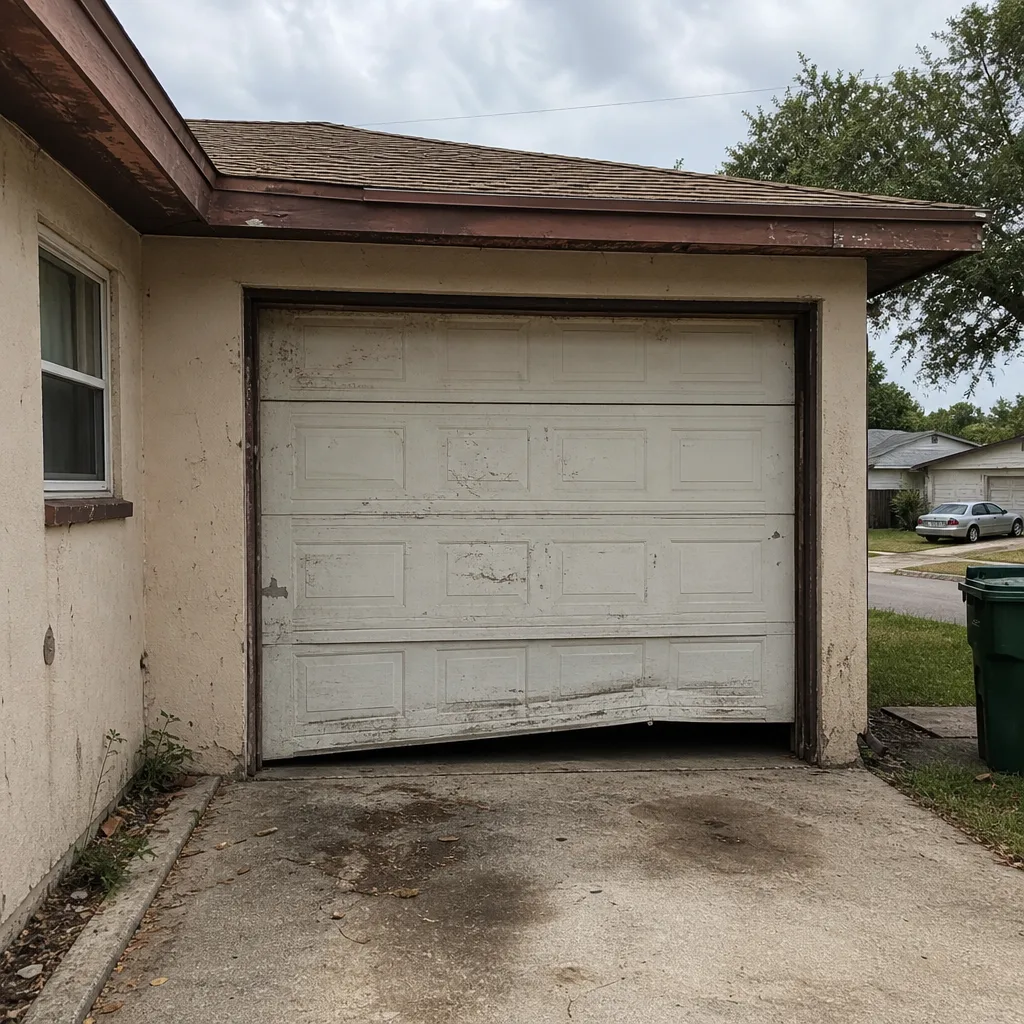 Before
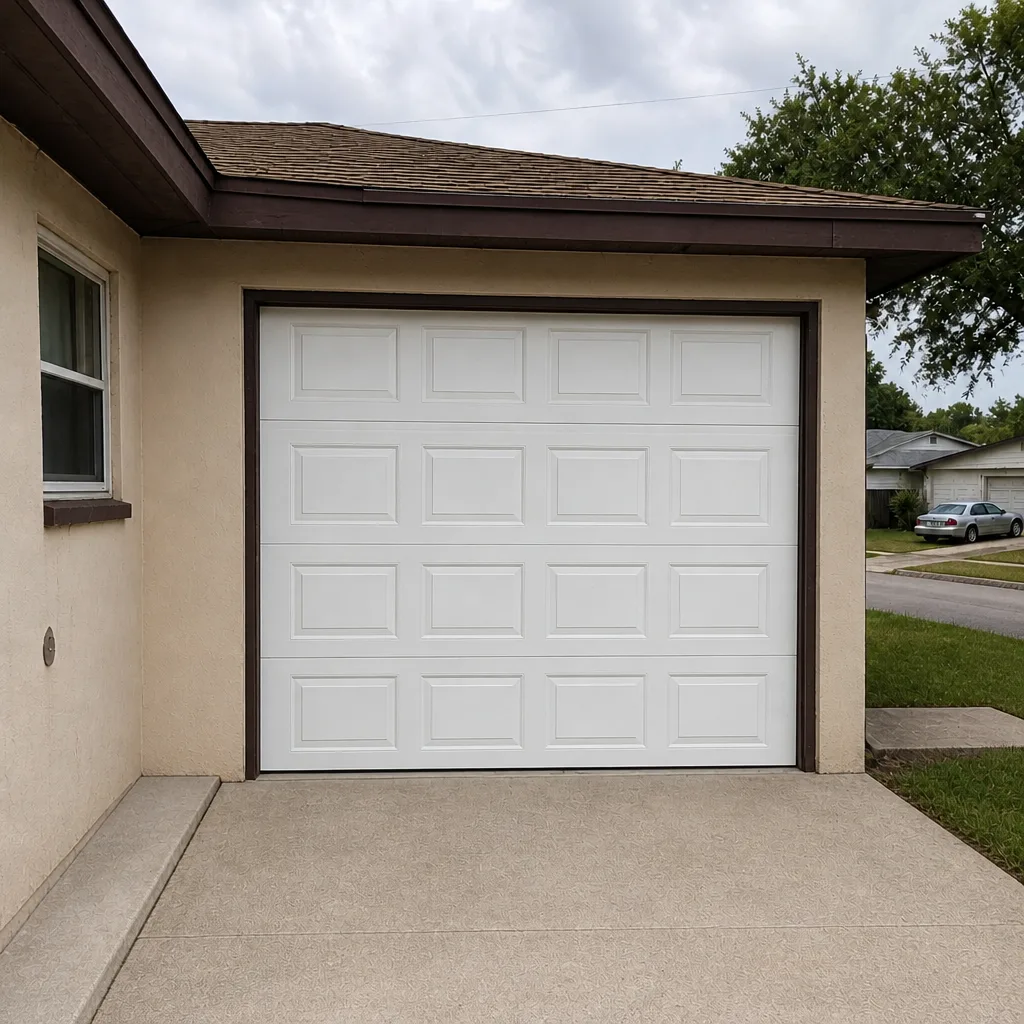 After
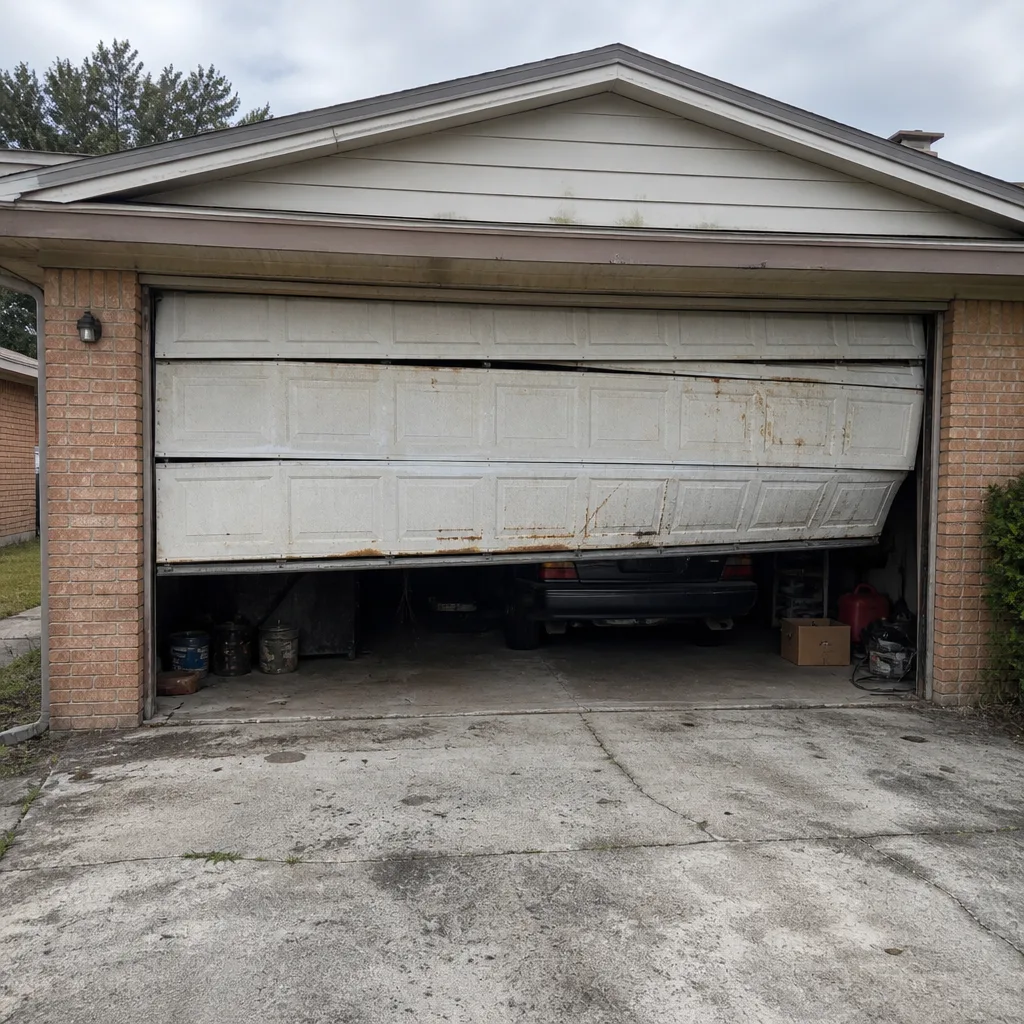 Before
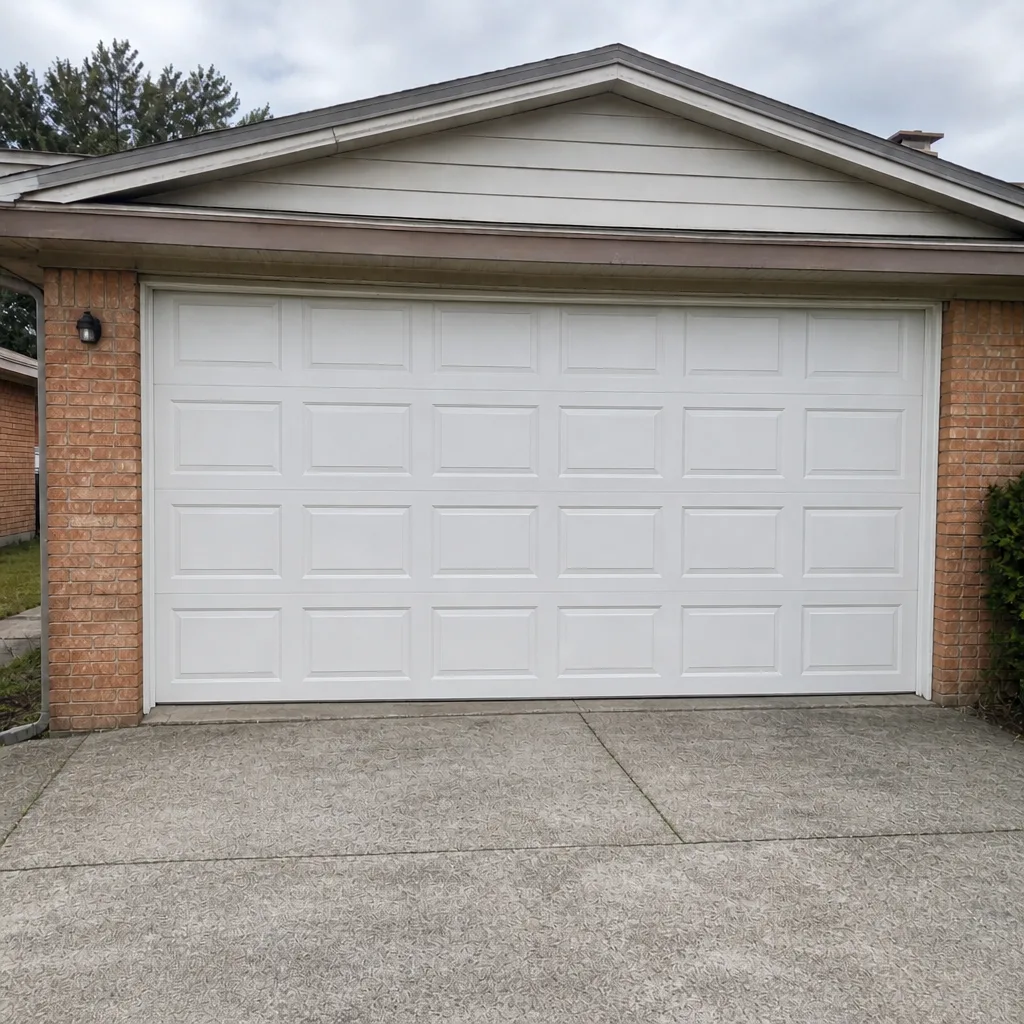 After
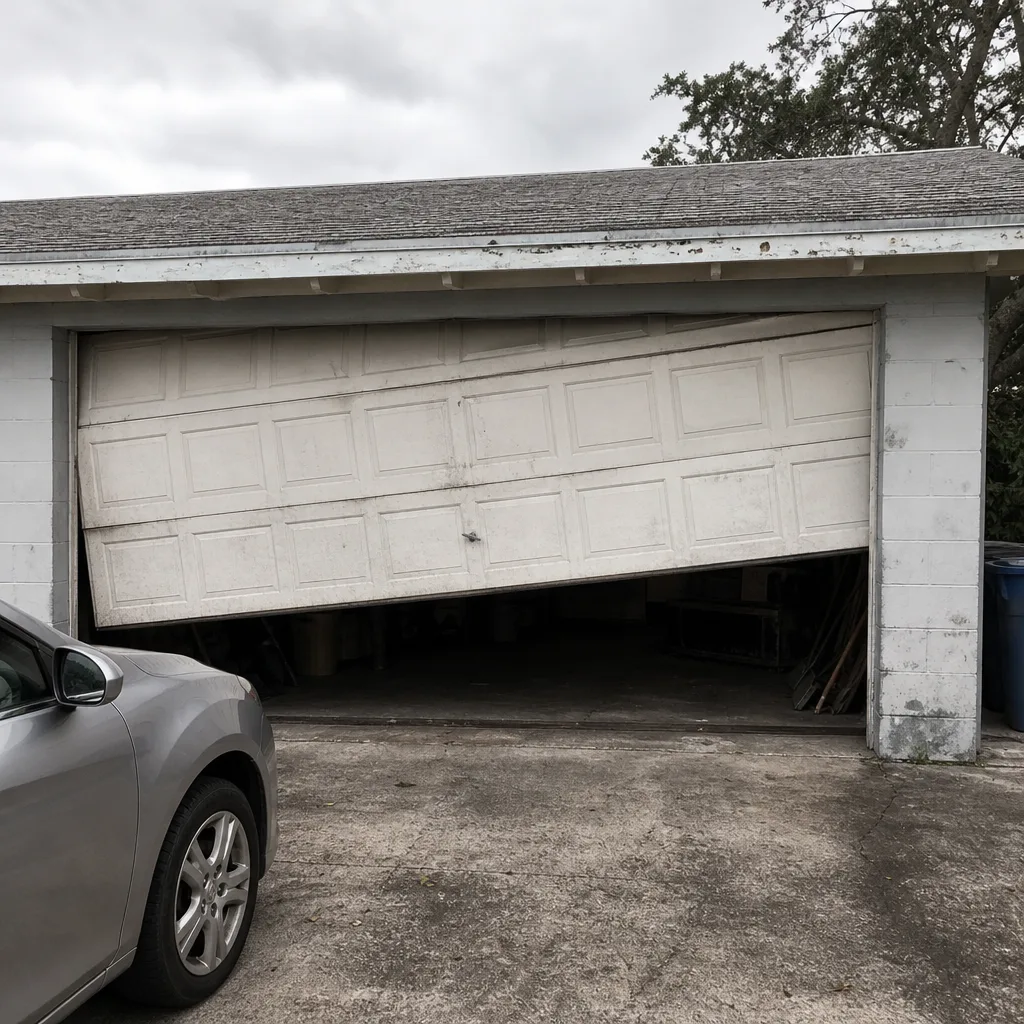 Before
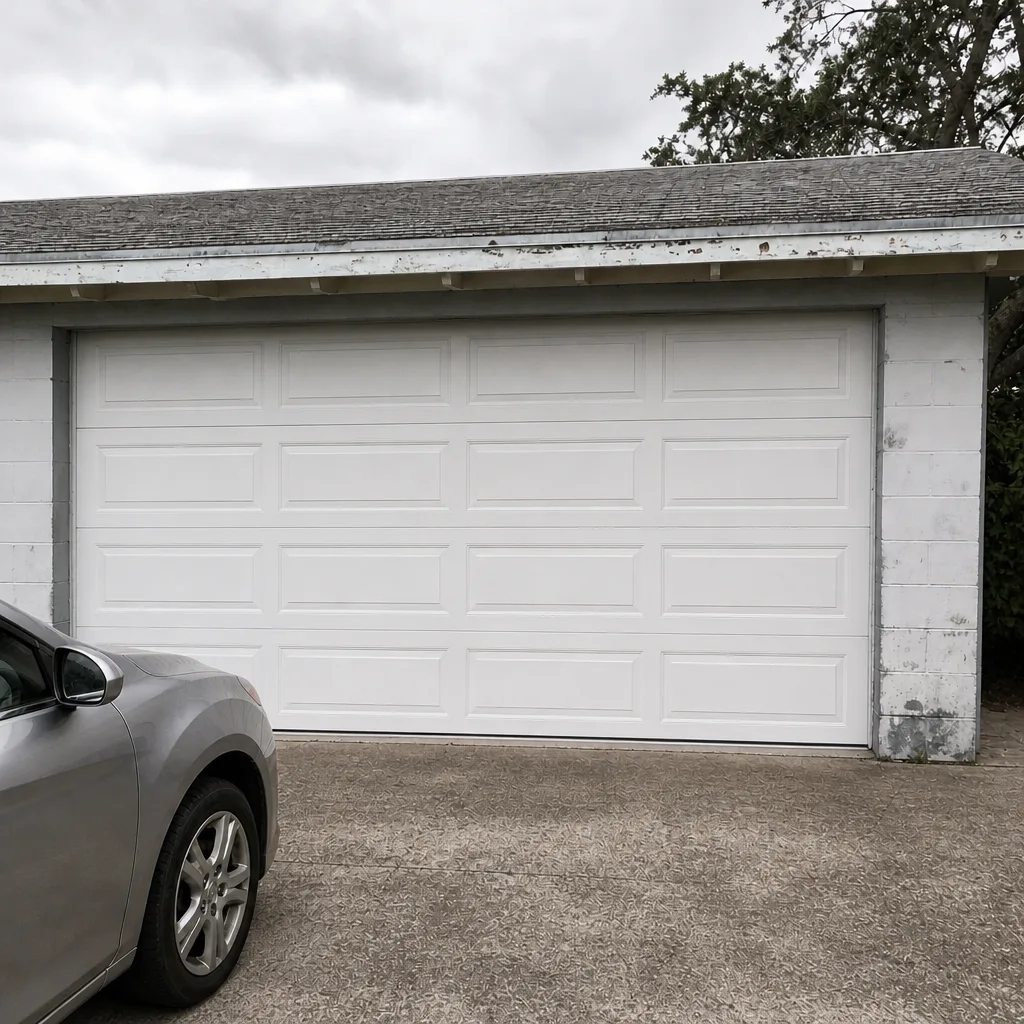 After
When to Call a Professional
Some signs are inspect-only. Others are call-now. If you see a gap in a torsion spring, a snapped extension spring, a frayed or detached cable, anything odd around the bottom bracket, or a door that has dropped suddenly, stop operating it and call a professional. Those components carry serious tension and aren’t safe to investigate, adjust, or replace yourself. Your garage door isn’t a heavy piece of equipment you want to experiment on. Pinellas Park Garage Door Repair offers free estimates in Pinellas Park – call (877) 509-4184. Our technicians have up to 8 years of experience and can diagnose springs, cables, openers, and tracks on the same visit.
Frequently Asked Questions
The first sign is usually a change in sound: grinding, popping, or a squeal that wasn’t there before. A door that hesitates before moving is the close second. Both mean the opener or a mechanical component is working harder than it should, and an inspection catches it before a failure.
A broken torsion spring shows a visible gap in the coil, while surface rust is a light, even orange-brown film. Structural rust is the warning sign that matters: dark pitting, flaking, or thinning metal on the spring. Anything more than surface rust should be looked at by a technician. Springs are under high tension and shouldn’t be touched by homeowners.
Uneven closing almost always points to a balance issue: a cable, spring, or track on one side is no longer carrying its share of the load. Humidity-driven wear on springs and cables makes this show up more often in Pinellas Park. The door should be inspected promptly because imbalance strains the opener every cycle. Call (877) 509-4184 for a free estimate.
Blinking lights on a LiftMaster, Chamberlain, Genie, or Craftsman opener are a diagnostic code, not a general alarm. Count the flashes and the pattern; a technician can decode it and identify the exact component, which is usually a sensor, wiring, or logic board issue rather than a full opener replacement.
Yes. Emergency garage door service is a core part of what we offer, and same-day availability is common when access to your home or vehicle can’t wait. Call (877) 509-4184 and tell us what you’re seeing; the call helps us plan the diagnostic before we arrive.
Almost always, yes. A worn roller, a loose hinge, or a travel-limit adjustment is a small job. A snapped spring, a broken cable, or an opener that has been straining against a binding door is a larger repair. Catching the warning signs early is the cheaper path. Estimates are free, so it’s worth a call to find out where you stand.
The Bottom Line
Garage door failures almost always telegraph themselves first. The sound you’re hearing, the slight hesitation in the opener, the way the door bounces at the bottom, or the rust that’s moved from surface to structural are all warnings, not quirks. In Pinellas Park, humidity makes spring and cable warnings show up faster than in drier climates, so annual inspection is worth doing. Springs, cables, and bottom brackets are strictly professional territory; stop operating the door and call when you see a problem there. Everything else is best solved early, before it becomes a bigger fix. Our Pinellas Park Garage Door Repair team is here when you want a trained eye on the door.
If you’ve read through this guide and spotted one or more warning signs, don’t wait for the door to fail. Call Pinellas Park Garage Door Repair at (877) 509-4184 for a free estimate. We handle repair, opener service, spring replacement, and new installation across every major brand, and emergency calls are part of what we do. Same-day availability when access matters most.
Written by the team at Pinellas Park Garage Door Repair.