Last updated November 23, 2026
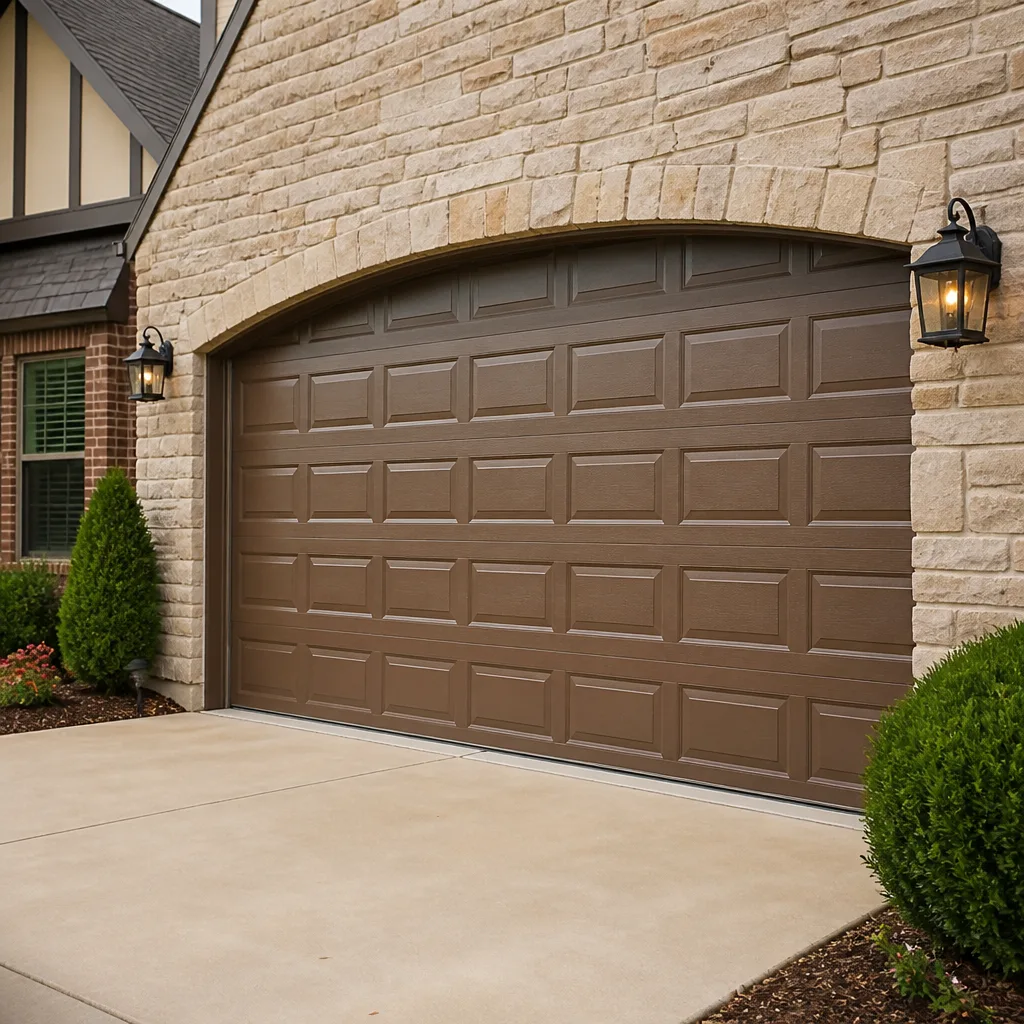 Raised-panel steel
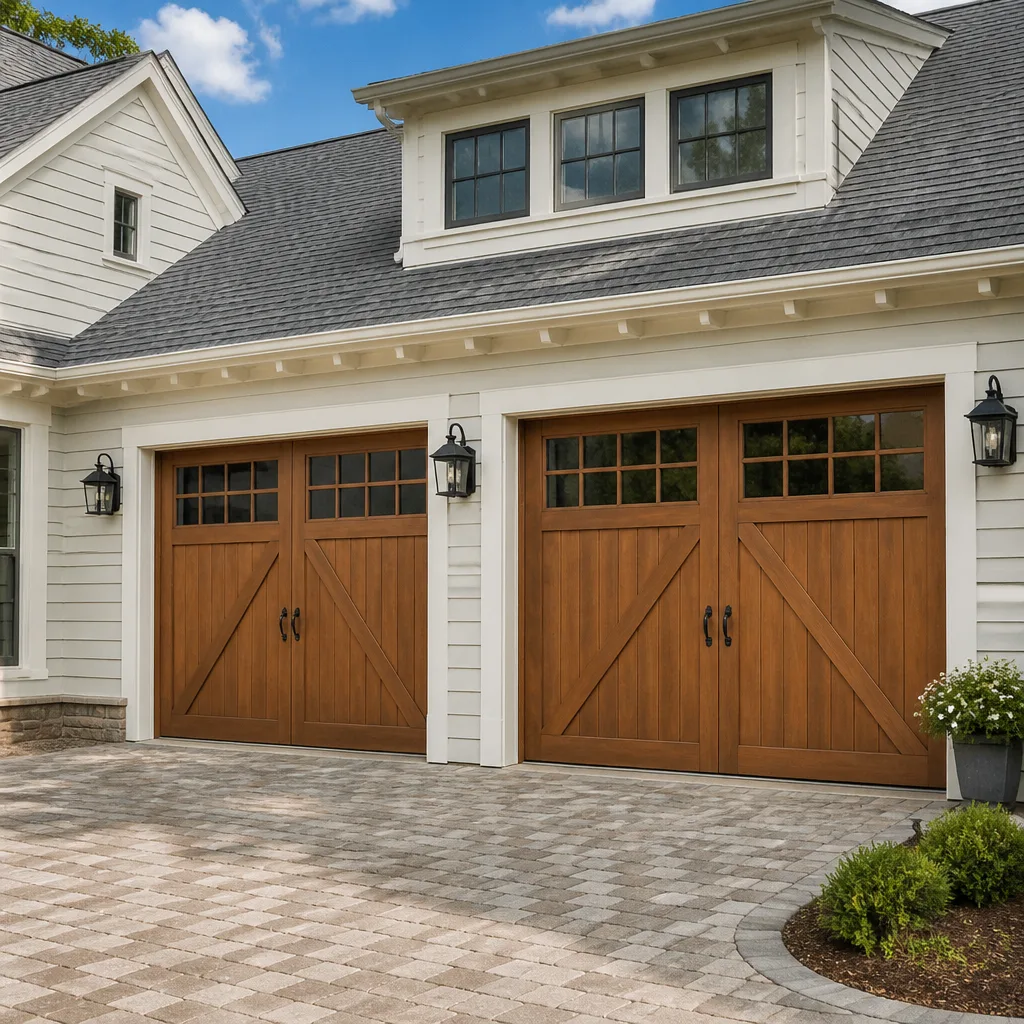 Carriage house
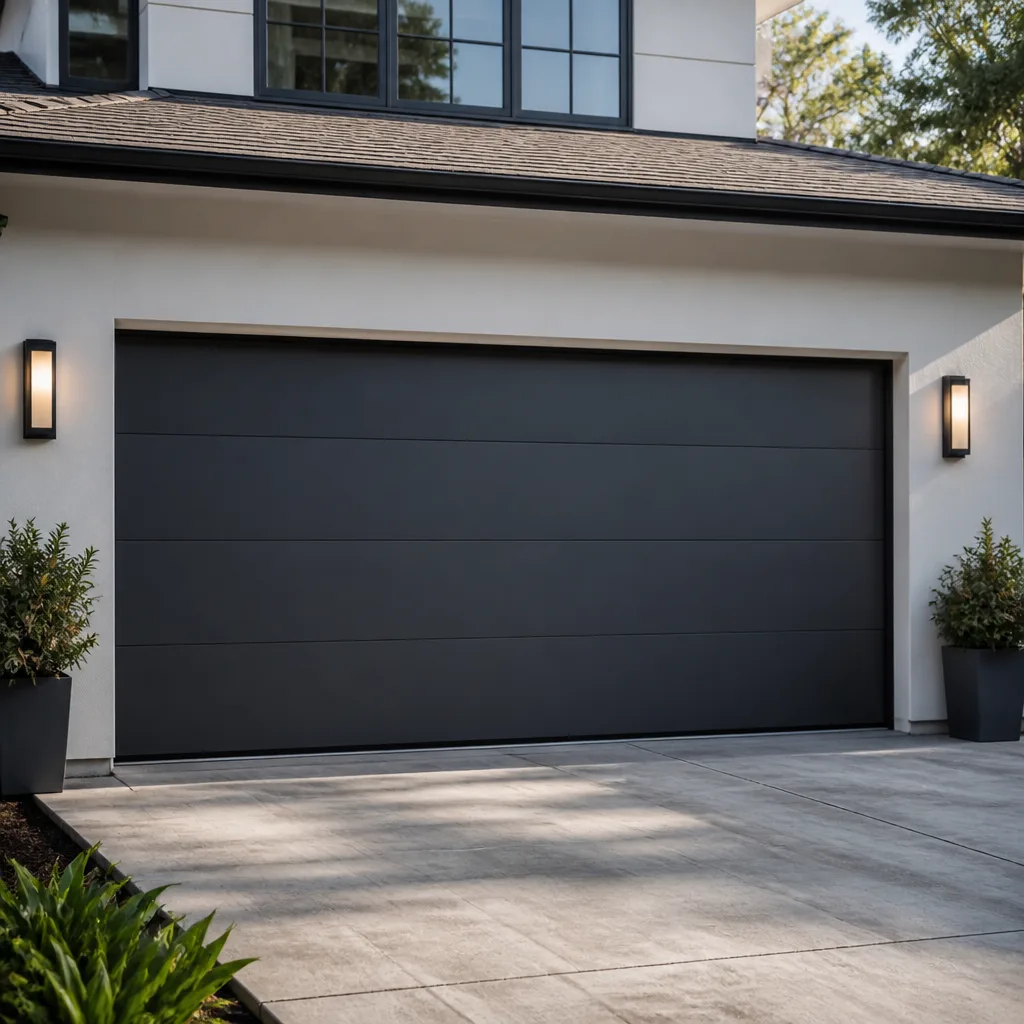 Modern flush
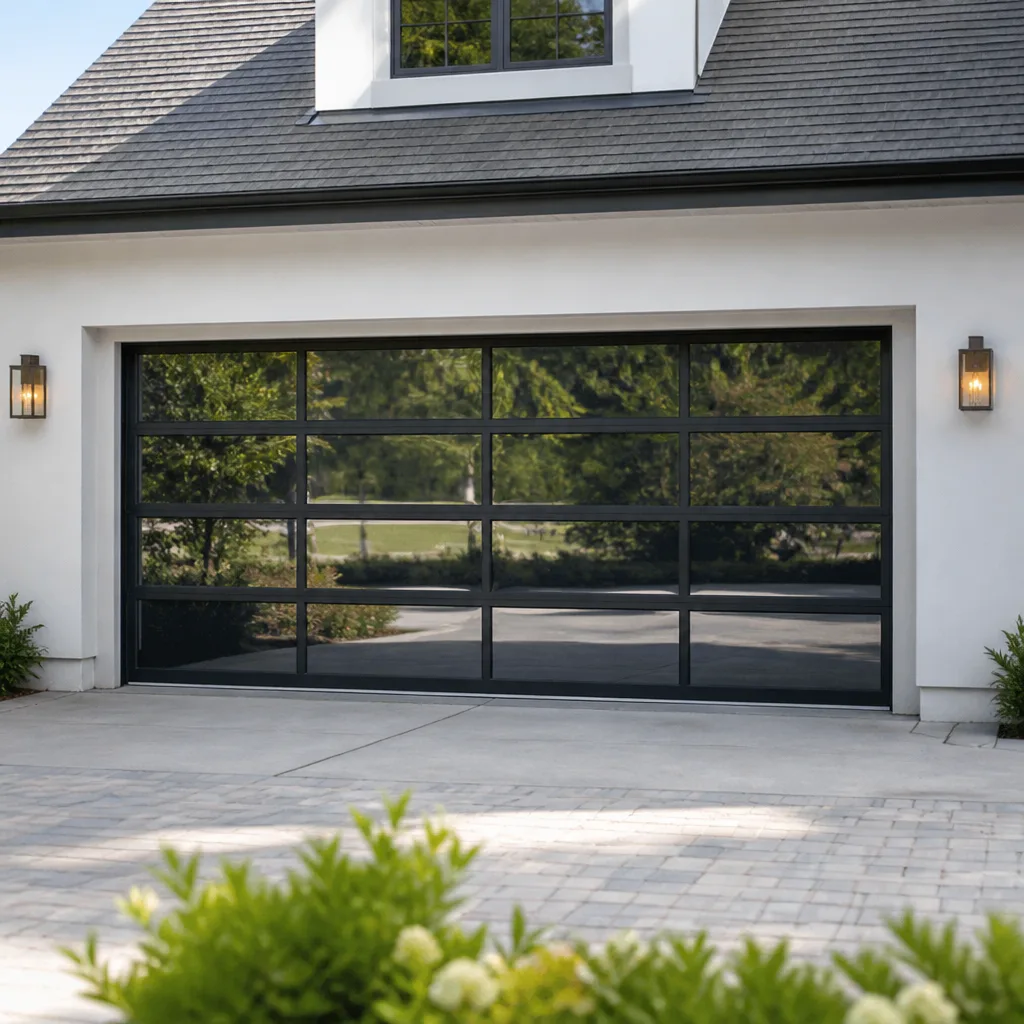 Full-view glass
 LiftMaster openers
 Chamberlain openers
Full 25-point door and opener safety check with every visit - springs, cables, rollers, tracks, and your LiftMaster or Chamberlain opener included
You get a price before we start. It does not change when the pro arrives.
Get your free estimateSeasonal Garage Door Care for Pinellas Park: Year-Round Homeowner’s Guide
Most garage door care advice you’ll find online was written for a place with four clear seasons, where the big worry is a frozen spring in February. Pinellas Park doesn’t work that way. Our year splits into a wet season, a dry season, a hurricane season, and the quiet stretch between storms when small problems build up without anyone noticing. The advice that matters most here isn’t about winterizing anything. It’s about catching the slow stuff: a track that shifts a few millimeters as humidity climbs, an opener whose sensitivity drifts until one morning the door won’t close. This guide walks you through what to actually do, month by season, so a failure on a Sunday morning is a surprise you saw coming, not one that blindsides you.
Quick Answer
Seasonal garage door care in Pinellas Park means testing and reinforcing the whole system before hurricane season, watching balance and auto-reverse through the humid wet months, inspecting after every storm with sustained winds above 45 mph, and using the dry season to lubricate and treat hardware. There’s no single “spring tune-up” here – the work follows the weather, not the calendar.
Styles & brands we work with
- Raised-panel steel
- Carriage house
- Modern flush
- Full-view glass
- LiftMaster openers
- Chamberlain openers
Table of Contents
- Why Seasonal Garage Door Care Looks Different in Pinellas Park
- Pre-Hurricane Season Checklist: What to Do in May
- Wet Season Care: June Through September
- Post-Storm Inspection Protocol
- Dry Season Maintenance: October Through April
- The Manual Release Cord: What Every Household Member Should Know
- When to Call a Professional
- Frequently Asked Questions
Why Seasonal Garage Door Care Looks Different in Pinellas Park
A garage door is a moving system of steel, wood, and tension, and every material in that system reacts to the air around it. In a northern climate, the enemy is the deep freeze and the thaw that follows. Here in Pinellas Park, the enemy is moisture cycling in and out of the air on a daily basis through the summer, followed by months of dry, warm weather when nobody thinks about the door at all. That combination produces a distinct set of wear patterns.
Here’s what we’ve seen in our experience working on doors across this area: the failures that look sudden usually aren’t. A door that won’t open one morning is often the end result of weeks of small changes – a hinge that started binding, a roller that dried out, a track that drifted slightly out of plumb as the wood or the concrete around it took on and gave off moisture. Each change on its own is minor. Together, they load the opener and the springs unevenly.
That’s why we treat seasonal care as four distinct work periods rather than one annual checklist:
- Pre-hurricane season (roughly May): the window to inspect, test, and reinforce before the first named storm threatens.
- Wet season (June through September): the high-humidity stretch when balance, track alignment, and auto-reverse calibration need attention.
- Post-storm: a direct inspection after any storm with sustained winds above 45 mph, before anyone uses the door.
- Dry season (October through April): the best time to lubricate, treat hardware, and address the wear the wet months left behind.
Homeowners in Pinellas Park who follow this rhythm tend to catch problems while they’re still cheap to fix. Those who wait for a failure usually end up with an emergency call instead of a scheduled one. If you’d rather hand the whole thing to someone who does it every day, our Pinellas Park Garage Door Repair team is a phone call away.
Pre-Hurricane Season Checklist: What to Do in May
The single most useful thing you can do for your garage door all year happens before hurricane season starts, not during it. Once a storm is named and tracking toward Pinellas Park, you’ll be joining everyone else trying to book a technician, and the smart move is to have your system checked and tightened while the weather is still calm. May is the natural window.
Work through this in order:
- Test the balance of the door. Disconnect the opener and lift the door halfway by hand. It should hold there without drifting down. A door that sinks on its own is telling you the springs are losing tension or the door is out of balance, and that’s a spring issue to have looked at before storm season, not after.
- Check every hinge and roller. Wobble each hinge by hand. Any play means a loose fastener or a worn hinge. Rollers should spin freely; a roller that’s flat-spotted or dragging loads the whole track.
- Inspect the tracks for alignment. Stand inside and sight along each vertical track. It should look straight and parallel to the door edge. Gaps, kinks, or a track that’s pulled away from the wall need to be corrected.
- Test the auto-reverse. Place a solid object like a roll of paper towels on the ground in the door’s path and close the door. It should reverse on contact. Also test the photo-eye safety sensors by passing an object through the beam while the door is closing – it should stop and go back up.
- Check the mounting and fasteners. Look at where the tracks, the spring system’s anchor points, and the opener rail attach. Anything loose should be tightened. Don’t adjust the spring system’s tension yourself; that’s high-tension work for a trained technician.
- Clear the area and confirm the door seats fully. The door should close flush against the floor and seal evenly across the bottom. Gaps let wind-driven rain in and signal the door isn’t sitting square.
- Know your manual release. Confirm the release cord works and that every adult in the house knows how to use it. More on this below.
This checklist is also a good time to think about your opener. An opener that’s been straining through the summer is more likely to give out when you need the door most. If yours is older or acting up, our garage door opener repair service can diagnose it before it fails. We work on the brand you already have, whether that’s LiftMaster, Chamberlain, Genie, or Craftsman.
Wet Season Care: June Through September
June through September isn’t just hurricane season – it’s the stretch when daily humidity swings create the conditions for failures that look sudden but have been building for months. Here’s the mechanism. The air takes on moisture through the day and gives it off again, and the materials around your door respond at different rates. Wood framing swells and shrinks a little. Concrete and masonry move less. The steel of the door and the tracks stays roughly constant. When those materials move at different rates, fasteners work loose and tracks can shift a few millimeters out of alignment.
That small shift is enough to change how the door runs. A track that’s slightly off means the rollers ride with a little more friction on one side. The door runs less smoothly, the opener works harder, and the auto-reverse calibration drifts because the opener’s force settings are now pushing against more resistance than they were set for. This is the origin of a lot of “my door just stopped working” calls we get in August and September.
What to watch for during the wet season:
- Balance drift: re-run the halfway test once a month. A door that held fine in May and now sinks slightly is telling you something changed.
- Track alignment: sight along the tracks and listen. A door that’s developed a new rattle or scrape is a door that’s out of alignment. Don’t hammer a track back into place; that bends it further.
- Auto-reverse calibration: test the reverse function monthly, since the opener’s force settings can drift as resistance changes. If it takes more than light contact to trigger the reverse, that needs correcting.
- Lubrication: humidity alone doesn’t lubricate anything, but it does drive the need. A door that sounds dry and squeaky through the wet season is wearing. We prefer a purpose-made garage door lubricant on hinges, rollers, and the spring, not general household oil, which attracts grit.
- Hardware and finish: this is when moisture finds any weak spots in paint or finish. Touch up bare metal when you see it.
If you’d rather not track all this yourself, regular garage door repair inspections during the wet season catch drift before it becomes a breakdown.
Post-Storm Inspection Protocol
Any time a storm brings sustained winds above 45 mph through Pinellas Park, give the door a direct inspection before anyone uses it – and don’t assume that because the door looks fine from outside, it is. The wind loading a garage door takes during a storm can bend a track, pull a hinge loose, or throw the whole system slightly out of alignment without leaving obvious visible damage. The door may still be operable, but operating a compromised door can turn a repair into a replacement.
Work through this after the storm passes:
- Look before you touch anything. From a safe distance, check whether the door is sitting square in its opening, whether any panels are bent, and whether the tracks are visibly deformed or pulled from the wall. If a track is bent or the door is off its tracks, stop – don’t try to force it, and call a technician.
- Clear debris from the tracks and threshold. Storm debris blown into the tracks will jam the door the first time you run it.
- Check the spring and cables from a distance only. Look for anything obviously wrong, but never touch a spring or cable. These are under high tension, and a damaged one can fail without warning. This is genuinely dangerous work – leave it to a trained technician.
- Test the balance by hand if the door is intact and square. Disconnect the opener and lift halfway. If it won’t hold, the balance is off and the door shouldn’t be run on the opener.
- Test the safety reverse before reconnecting. Once the door is confirmed intact, test the auto-reverse and the photo-eye sensors. Storms can knock the sensors out of alignment.
- Check the opener housing and mounting. Look for a rail that’s shifted or a mount that’s loosened under wind load.
If anything looks off, an inspection from a trained technician is the right call before the door gets used. Pinellas Park Garage Door Repair offers free estimates in Pinellas Park – call (877) 509-4184 to schedule one.
Dry Season Maintenance: October Through April
Here’s the counterintuitive part of the local calendar: the dry season is actually the best time to do the maintenance that protects your door, even though it’s the season when the door gets the least attention. The logic is simple. The wet season leaves behind wear – dry hinges, grit in the tracks, finish that’s started to break down, hardware that’s worked loose. The dry months are when you have the time and the stable weather to address all of it before the cycle starts again.
Hardware, in particular, benefits from attention in the dry season. The moisture cycling of summer is what starts the slow oxidation on exposed hinges, fasteners, and roller stems. Once the air dries out, the hardware has a chance to stay dry – which makes it the right window to clean, treat, and lubricate. Treat the dry season as your deep-maintenance period:
- Lubricate the whole system. Clean the tracks with a damp cloth and dry them, then apply a garage door lubricant to hinges, rollers, the spring, and the opener’s rail and chain or belt. Wipe off excess.
- Clean and treat the hardware. Wipe down hinges and fasteners with a clean cloth. If you see the beginnings of surface oxidation, a light cleanup and a protective application will slow it. Replace any hinge or roller that’s clearly worn rather than treating it.
- Inspect and touch up the finish. The dry months are the best time to repaint or seal any bare spots on a wood or steel door, because the surface will be dry enough to hold the finish.
- Check and re-tighten fasteners. The wet season’s movement leaves fasteners loose. Go through and check the track bolts, hinge screws, and opener mounting hardware.
- Test the balance and safety reverse. Even in the dry season, run the monthly tests to confirm nothing has drifted.
- Plan for replacement if the door is aging. If your door is getting to the end of its life, the dry season is the time to schedule a new installation, since the door can be measured, ordered, and installed without waiting behind storm-season emergency work. We install across major manufacturers including Clopay, Amarr, and Wayne Dalton.
The Manual Release Cord: What Every Household Member Should Know
When a hurricane takes out power in Pinellas Park, the opener stops working. That’s exactly when the manual release matters – and it’s exactly the moment when nobody wants to be learning how it works for the first time. The manual release is the cord that hangs from the opener’s rail and disconnects the door from the opener so it can be operated by hand. Every adult in your household should know where it is and how to use it, before storm season, not during it.
Here’s what everyone needs to know:
- Locate it now. Find the release cord and make sure it’s hanging free and reachable, not tangled around the rail or jammed against the header.
- How to release. Pull down on the cord firmly to disconnect the door from the opener. On most openers you’ll feel a firm pull and a click; the door will then move by hand.
- How to operate the door by hand. Lift with a controlled motion and lower it slowly. A door that’s heavy or hard to lift by hand is telling you the springs are losing tension – which is a spring issue, not a release issue.
- How to re-engage. Once power is back, run the opener to reconnect the door, or follow the manufacturer’s instructions on the unit. Don’t force the door back onto the opener by hand.
- Keep it stored properly. Keep the cord tied or stowed out of the way of the door’s travel, and out of children’s reach. Check it before storm season to make sure it isn’t frayed or hung up.
One caution: a door that’s been disconnected and reconnected should have its safety reverse tested before anyone relies on it. If the door won’t reconnect properly or the opener won’t re-engage, that’s an opener problem, not something to force. Our garage door opener repair service handles re-engagement and calibration on LiftMaster, Chamberlain, Genie, and Craftsman units.
See the difference
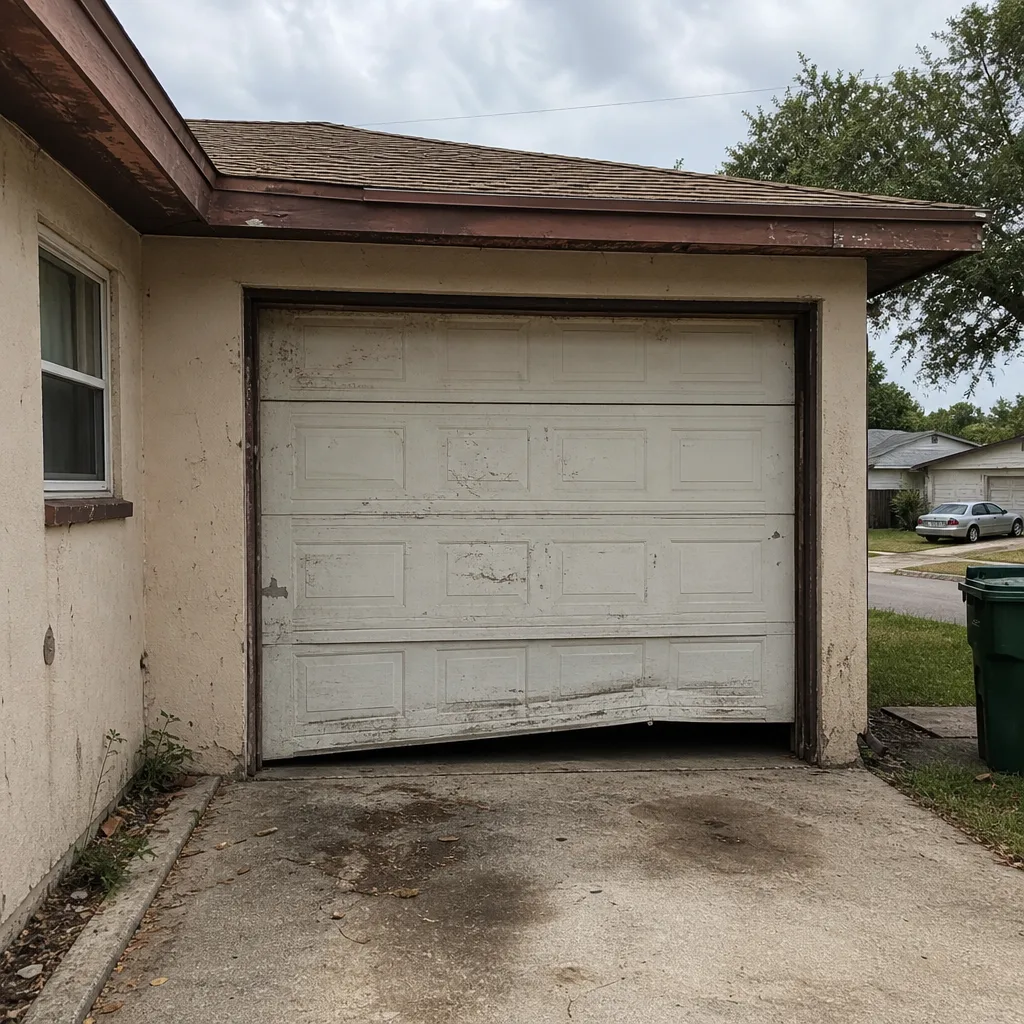 Before
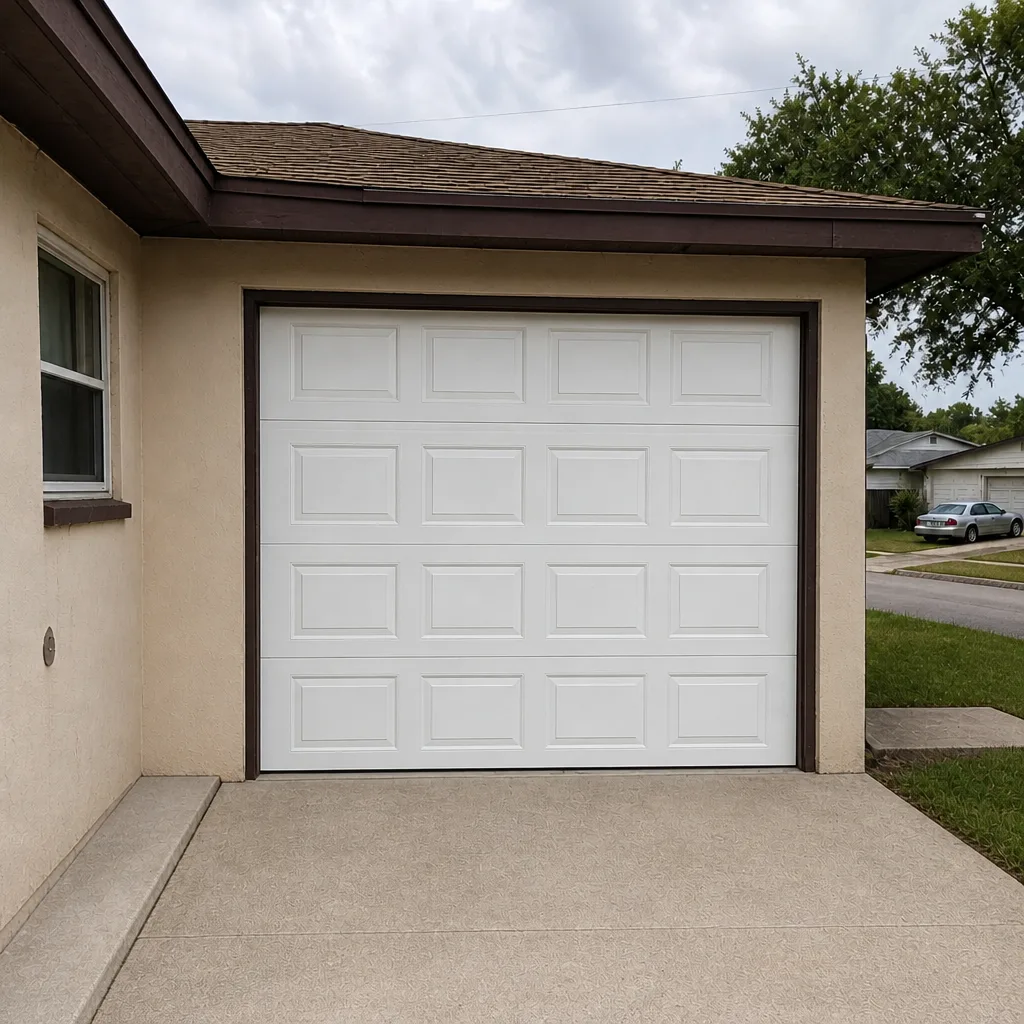 After
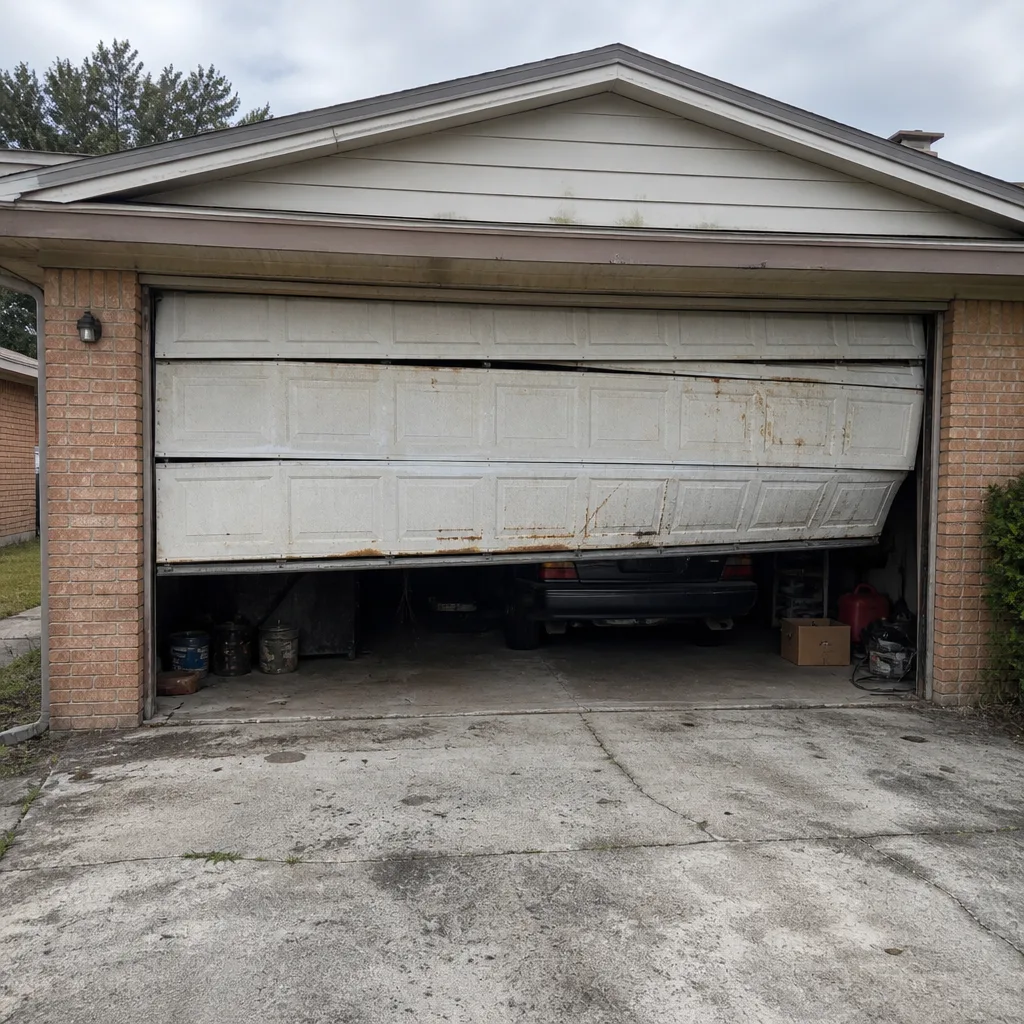 Before
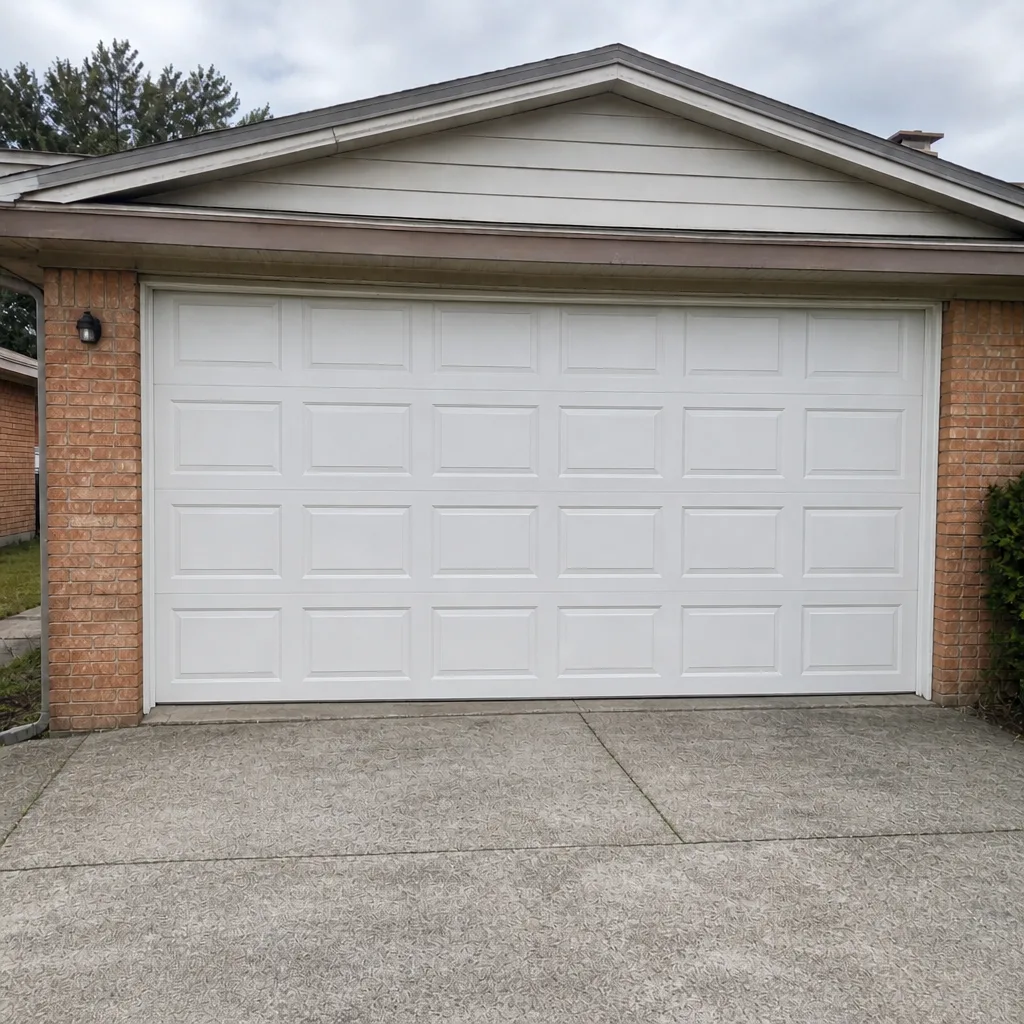 After
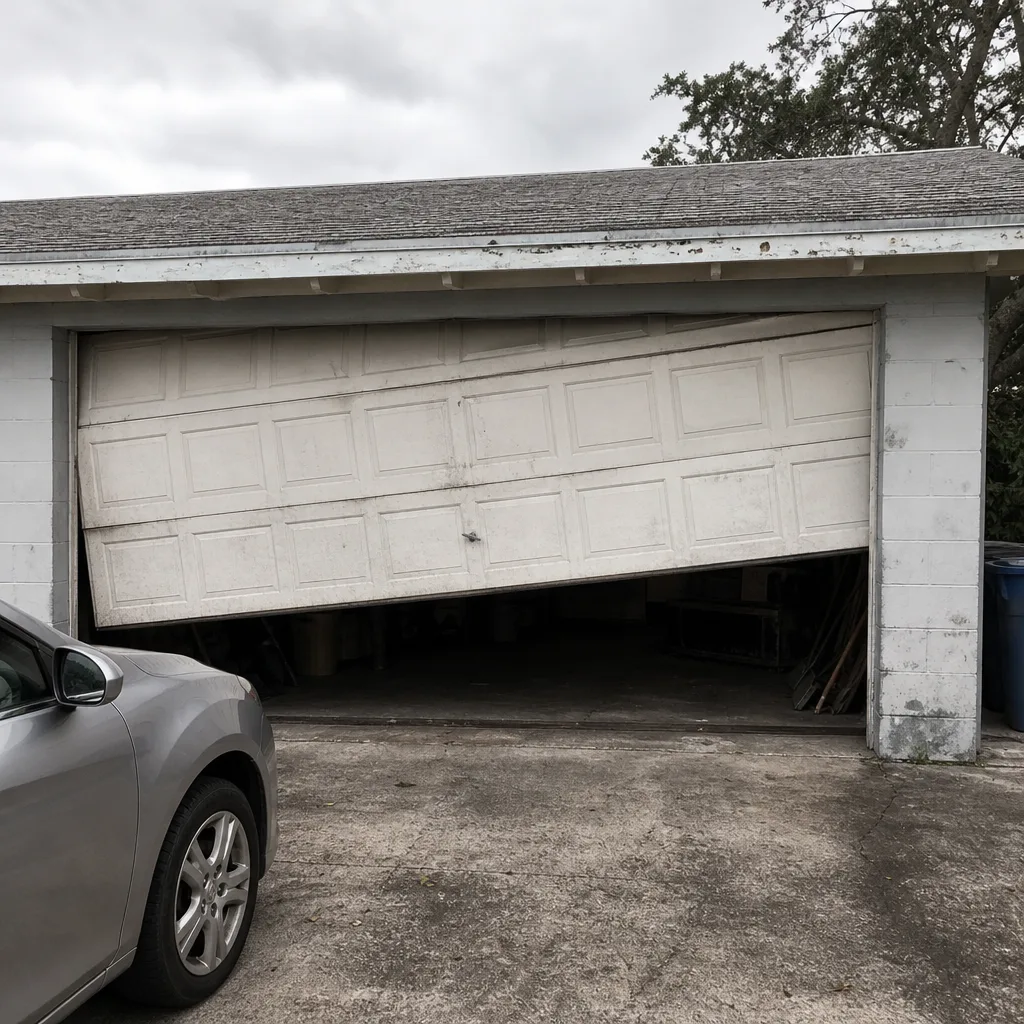 Before
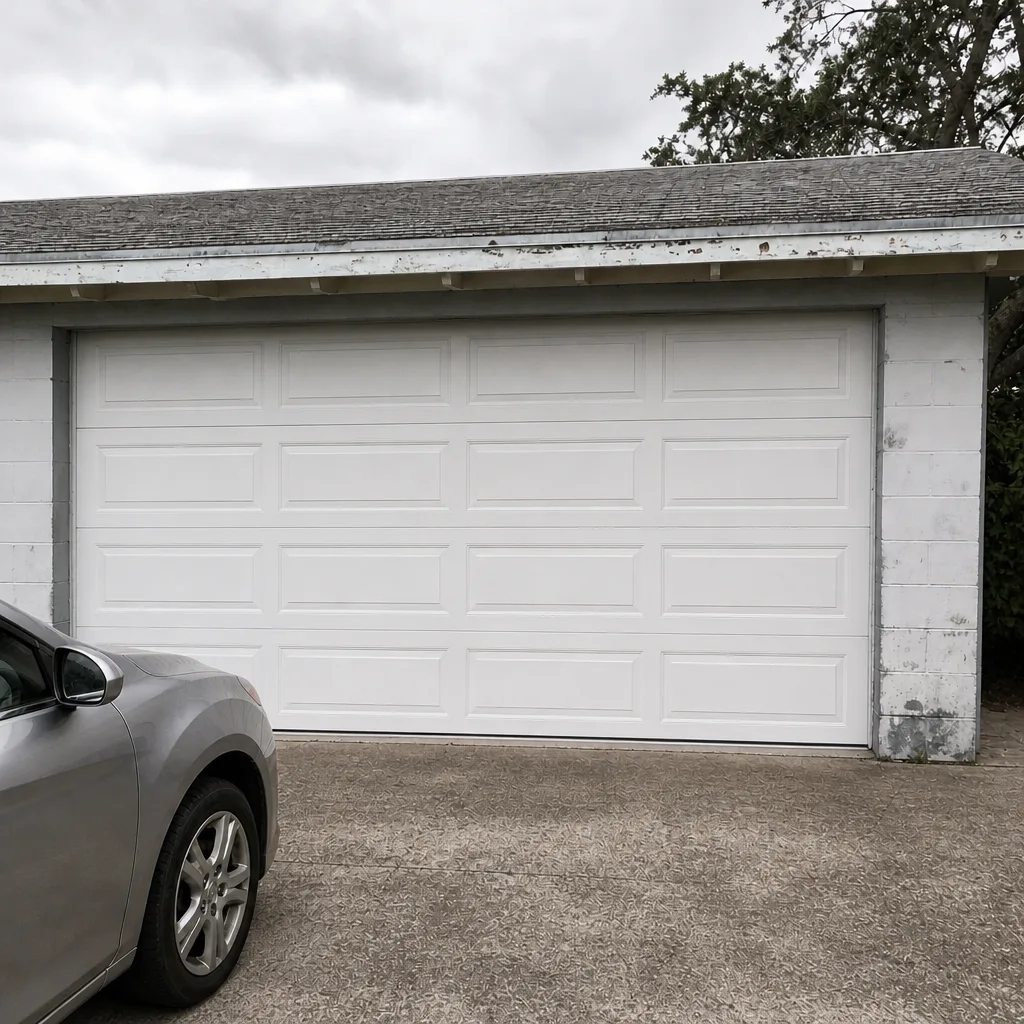 After
Common Mistakes to Avoid
- Waiting until a storm is named to inspect. By then the schedule fills and the weather turns. Pinellas Park homeowners who check in May get calm-weather service; those who call in August get what’s left.
- Lubricating with whatever’s in the garage. General household oil and grease attract grit and turn the tracks into a grinding paste. Use a purpose-made garage door lubricant.
- Adjusting the springs yourself. Springs are under high tension and are genuinely dangerous. This is the single most important “don’t do it yourself” on the list.
- Force-running a door that’s off its tracks or out of balance. If the door won’t hold halfway or won’t sit square, running it on the opener will bend tracks and turn a repair into a replacement.
- Forcing a track back into alignment with a hammer. Tracks are precision-formed; hammering bends them further. Alignment is a technician adjustment.
- Ignoring the wet-season drift. A door that starts rattling in July and gets ignored in August is a door that fails in September. Monthly balance and reverse tests catch it.
- Treating the manual release as a mystery. When the power goes out in a storm, the release cord is how the door gets used. Everyone in the house should know how it works.
When to Call a Professional
Some seasonal care is genuinely do-it-yourself: lubrication, visual inspection, testing the balance and safety reverse, cleaning the tracks. Other things are not. Call a trained technician when you see or experience any of these:
- An unbalanced door, one that won’t hold halfway, or a door that’s hard to lift by hand.
- Any visible spring or cable problem – never touch these yourself.
- Track damage, doors off their tracks, or doors that won’t sit square.
- A bent panel after a storm, or wind-load damage that left the door looking fine but not running right.
- An opener that’s straining, failing to reverse, or won’t re-engage after the manual release.
- A door that’s reached the end of its life and needs measurement, ordering, and installation.
Pinellas Park Garage Door Repair offers free estimates in Pinellas Park – call (877) 509-4184. We handle garage door spring repair and the full range of service, so one call covers repair, opener work, springs, installation, and emergency response.
Frequently Asked Questions
Follow the local weather, not the calendar. Test balance and auto-reverse monthly through the wet season, do a full inspection and reinforcement before hurricane season, run a post-storm check after any storm with sustained winds above 45 mph, and do the deep lubricate-and-treat work in the dry season. Call (877) 509-4184 for a free estimate on any work you’d rather have handled.
The dry season (October through April) is the best window for the deep clean-and-lubricate, because the hardware has a chance to stay dry after you treat it. During the wet season, spot-lubricate any hinge or roller that’s squeaking or running dry, but save the full treatment for the dry months. Call (877) 509-4184 for a free estimate on a full-season tune-up.
Moisture is the bigger driver of hardware wear in Pinellas Park than the air itself, and the wet-season humidity cycle is what starts the slow breakdown on exposed hinges and fasteners. Keeping hardware clean, treated, and lubricated through the dry season is the practical protection. Call (877) 509-4184 if you need a technician to assess your hardware.
Inspect before use: check the door and tracks from a safe distance, clear debris from the tracks, test the balance by hand, test the safety reverse, and check the opener mounting. Never touch the spring or cables. If anything looks off, call a trained technician – our team can inspect it. Call (877) 509-4184 for a free estimate.
Yes. We work on the brand you already have – LiftMaster, Chamberlain, Genie, and Craftsman among them – and we diagnose the wet-season drift that causes most opener trouble. Call (877) 509-4184 for a free estimate.
Consider replacement when the door is past its service life, has repeated balance or track problems despite good maintenance, shows storm or impact damage across multiple panels, or can’t be made to run smoothly and seal evenly. The dry season is the right time to schedule a new installation. Call (877) 509-4184 for a free estimate and measurement.
The Bottom Line
Seasonal garage door care in Pinellas Park follows the weather: a May inspection before the first storm threat, monthly balance and reverse testing through the humid wet season, a direct inspection after any storm with sustained winds above 45 mph, and a deep clean-and-treat through the dry months. Skip the northern winterizing advice and keep an eye on the slow stuff – the drift, the rattle, the dry hinge – because that’s what turns into the Sunday-morning failure. When in doubt, a free estimate from a trained technician answers the question. Call (877) 509-4184 today for a free estimate.
Written by the team at Pinellas Park Garage Door Repair.