Last updated November 23, 2026
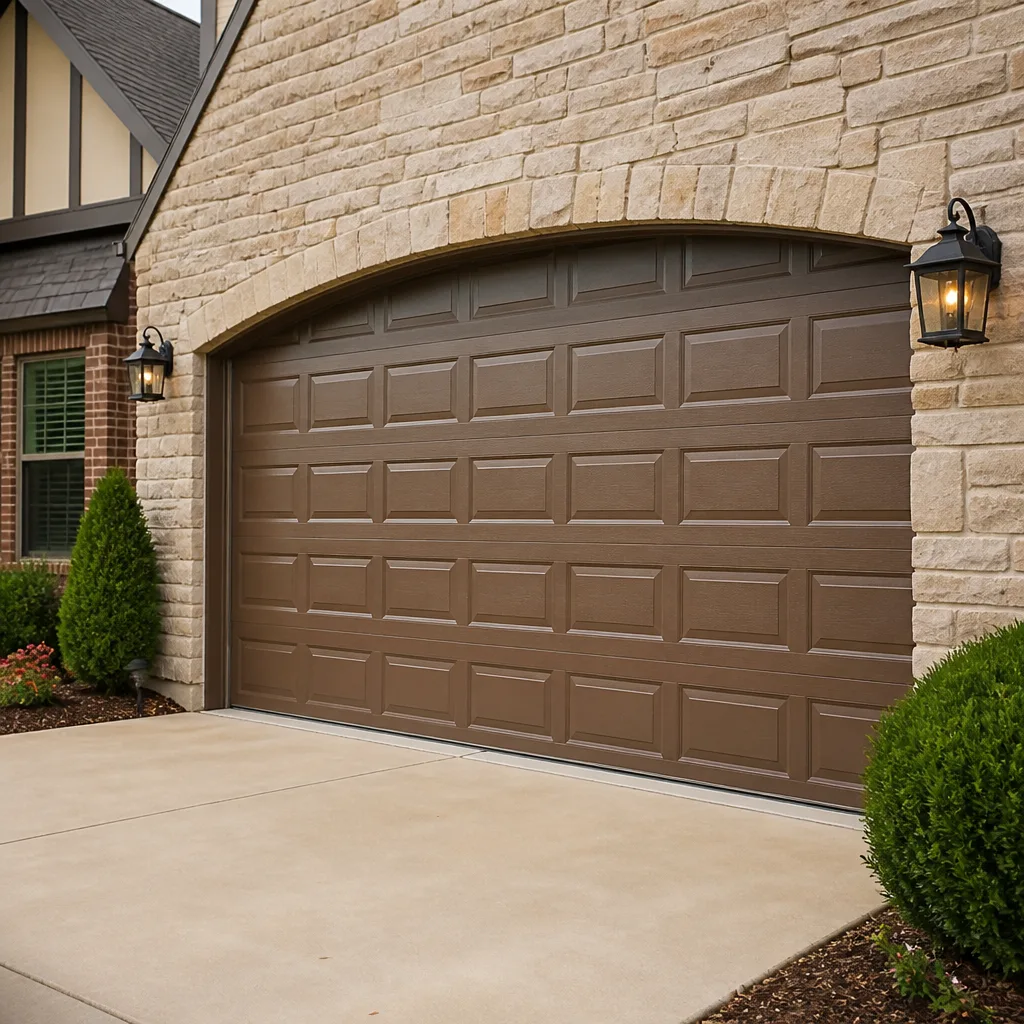 Raised-panel steel
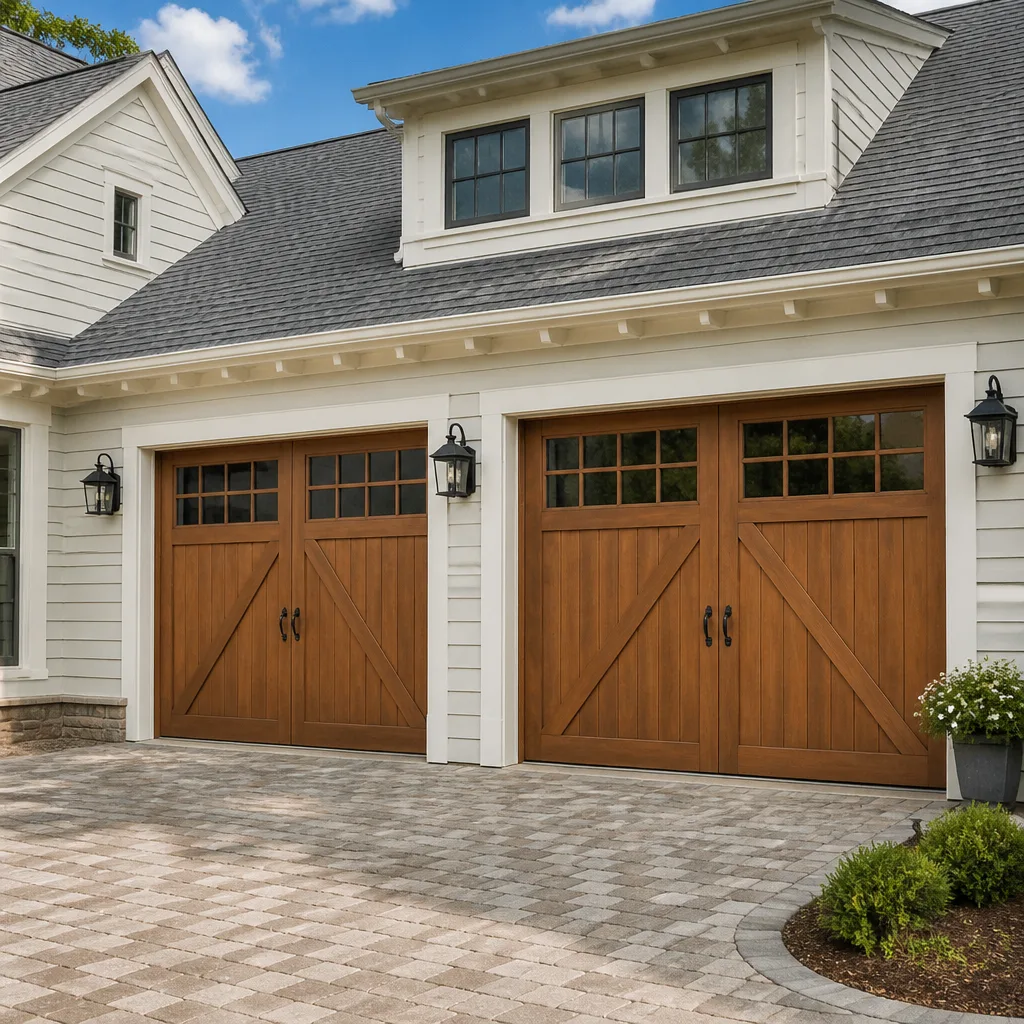 Carriage house
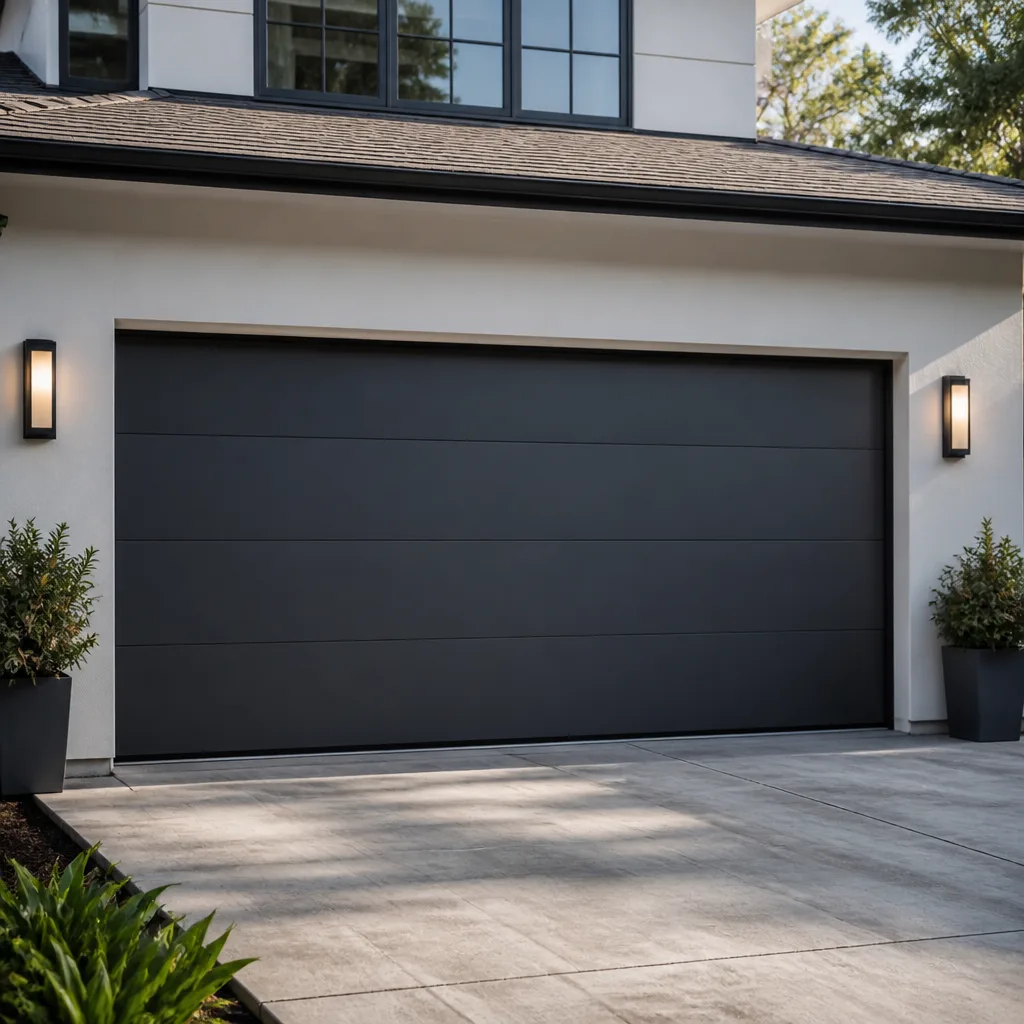 Modern flush
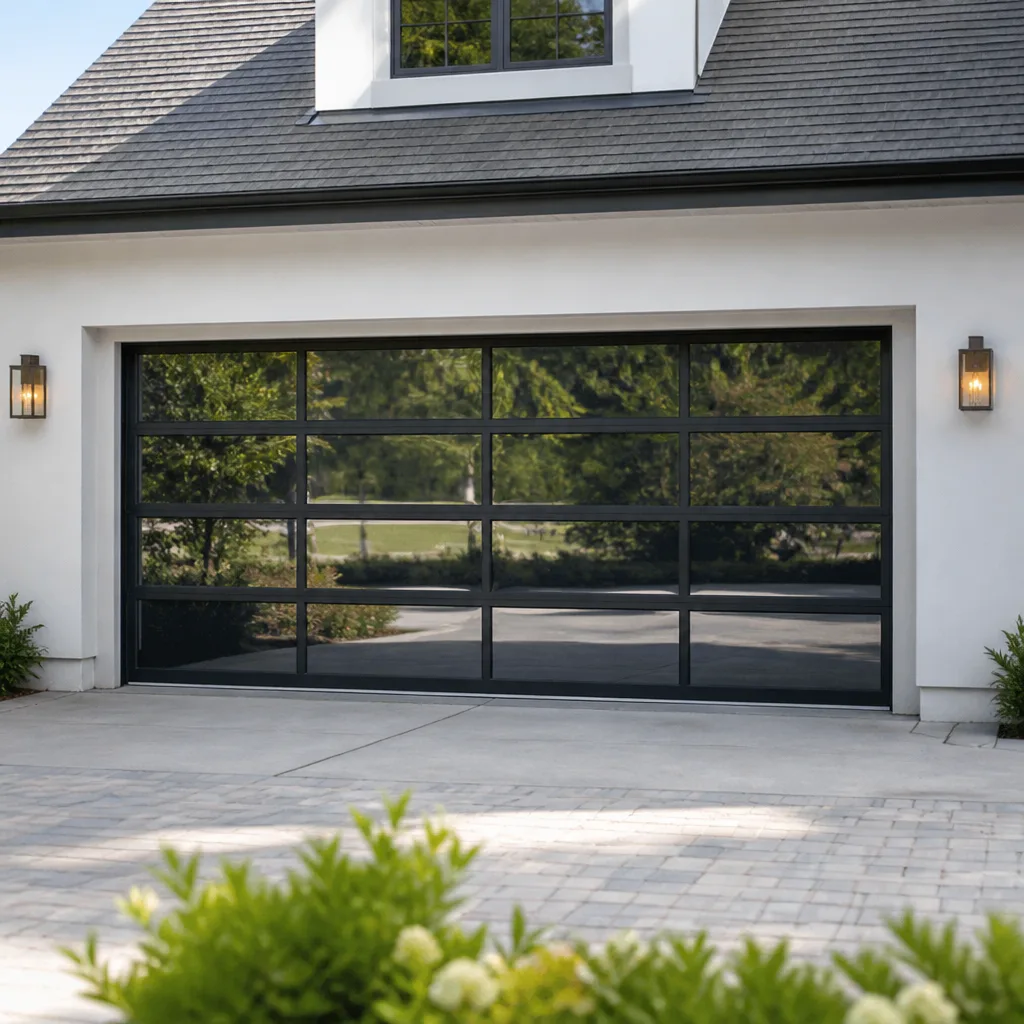 Full-view glass
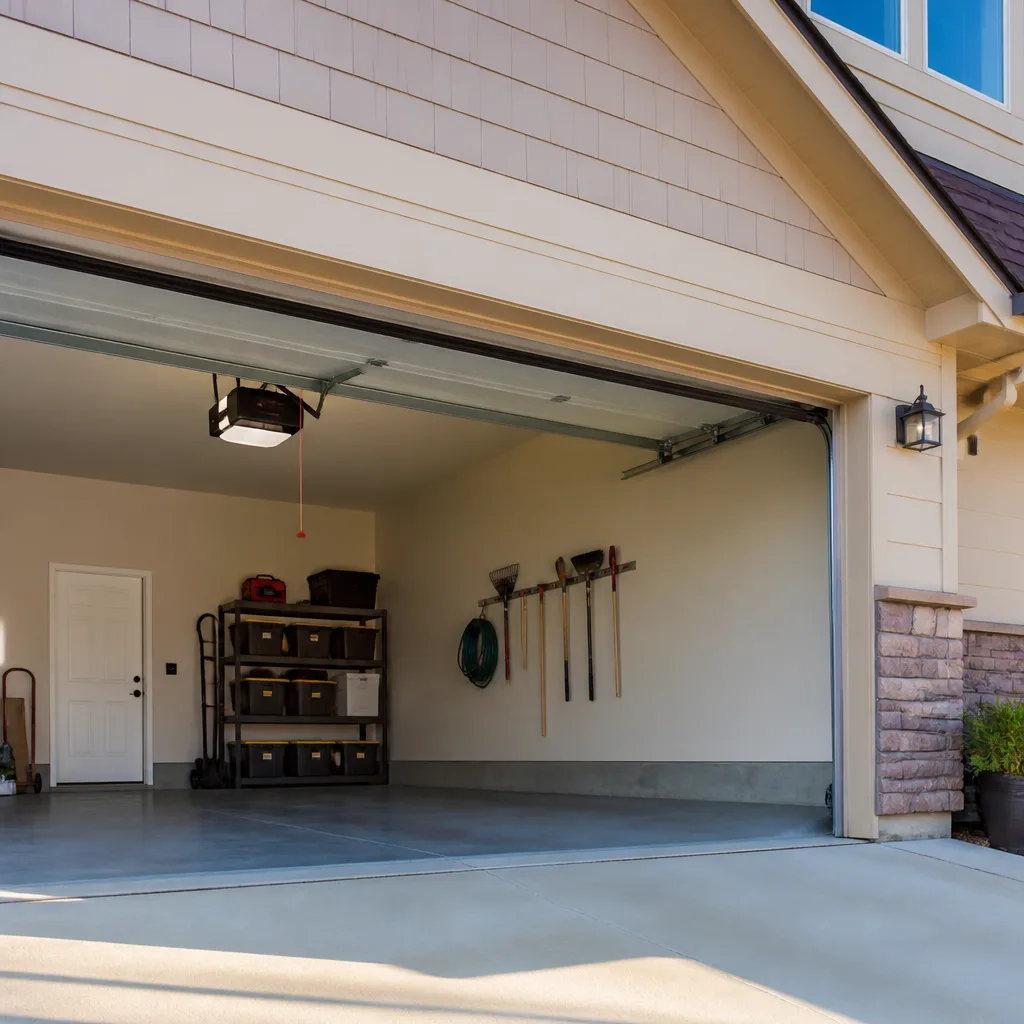 LiftMaster openers
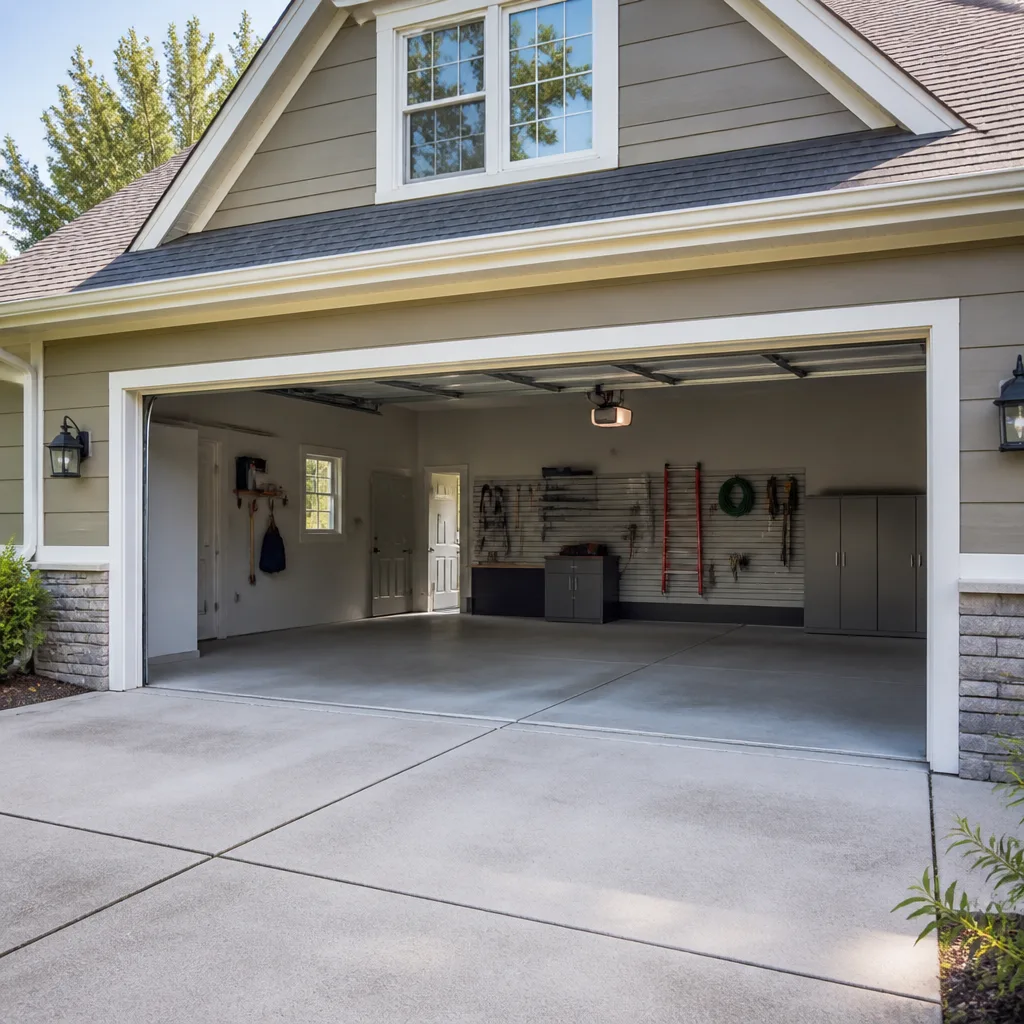 Chamberlain openers
Full 25-point door and opener safety check with every visit - springs, cables, rollers, tracks, and your LiftMaster or Chamberlain opener included
You get a price before we start. It does not change when the pro arrives.
Get your free estimateGarage Door Emergency Preparedness Guide for Pinellas Park Homes
Most garage door advice assumes the problem is a single broken part on an ordinary day. In Pinellas Park, it’s often two problems stacked on top of each other: a door that fails during a named storm or right after the power goes out, and a household that never learned where the manual release cord is. Those two situations call for completely different responses. One needs a phone call and a trained technician. The other needs a family member who knows how to disconnect the door safely and lock it down until help arrives. This guide walks through both, from the release procedure on the opener brands common in Pinellas Park homes to the pre-storm checklist and the post-storm photo record your insurer will want.
Quick Answer
Emergency garage door preparedness in Pinellas Park comes down to two things you settle before anything fails: knowing how to put the door into manual mode and secure it, and having a plan for what to do when a storm takes out power or damages the door. Practice the manual release once, save the repair number, and photograph your door and its components well before a hurricane threatens. When the door fails and you can’t safely move it, that’s the moment to call a trained technician rather than force the door.
Styles & brands we work with
- Raised-panel steel
- Carriage house
- Modern flush
- Full-view glass
- LiftMaster openers
- Chamberlain openers
Table of Contents
- How do you use the manual release on a garage door opener?
- What do you do when a door is stuck in a bent track?
- How do you safely secure a door that won’t close after a storm?
- What does emergency garage door service actually mean?
- Pre-storm protocol for Pinellas Park homes
- Post-storm damage documentation for insurance
- How to run a household emergency drill
- When to call a professional
How do you use the manual release on a garage door opener?
Every residential opener has a manual release, and using it correctly takes about ten seconds once you’ve done it on a calm day. The release cord hangs from the trolley that rides the rail, usually with a red handle. Pull it straight down and toward the door to disengage the trolley, and the door then moves by hand. What homeowners in Pinellas Park tend to miss is the second half: the door only lifts safely by hand if the springs are intact. If a spring is broken, the door can be extremely heavy, and pulling the release can drop it. So the release procedure only applies cleanly to a door with working springs and a clear track.
The opener brands most common in Pinellas Park homes are LiftMaster, Chamberlain, Genie, and Craftsman, and they all use the same basic trolley release. A few newer models with a wall-mounted or jackshaft design release differently, so check the label on the unit before you assume. If you don’t recognize the brand or model, we service all of the common ones.
- Check the springs first. Stand at the door and look up at the springs above the tracks. If one is visibly broken (a clean gap in the coil), stop and call a technician.
- Locate the release cord. It hangs from the trolley on the rail. Confirm it’s reachable without a ladder.
- Pull straight down. Hold the door with your other hand as you pull, in case it moves.
- Lift slowly. A healthy door opens with steady resistance, not a heavy heave. If it feels too heavy to lift comfortably, close it and call for help.
When you’re ready to reconnect, close the door fully, pull the release cord again to re-engage the trolley, and test the opener.
What do you do when a door is stuck in a bent track?
When a door is stuck in a bent track, stop operating it. A door that’s partially in a bent track is under uneven tension, and forcing it with the opener or by hand can bend more panels, damage the trolley, or cause the door to come off the track entirely. That’s the detail the opener manual doesn’t cover. The manual shows how to disconnect, but it doesn’t prepare you for what a door does when the vertical track has been knocked out of alignment by a storm, a vehicle, or years of heat expansion. In Pinellas Park’s summer heat, the metal tracks and panels expand and contract more than people expect, and a small bend can turn into a stuck door.
Here’s what to check before you call:
- Reset the opener. Unplug the opener from the outlet for sixty seconds and plug it back in. Sometimes the door isn’t physically stuck, just locked out.
- Look for a bent track. Sight down the vertical track from the floor up. A gap between the rollers and track, or a clear kink, means it’s a track problem.
- Check the sensors. If the LED on either safety sensor is blinking, the door won’t close. Clear any debris and realign.
- Don’t force it. If the door moves crooked or binds, stop.
A stuck door is one of the most common reasons people dial us. If you can’t move it safely, that’s a garage door repair call, not a DIY project.
How do you safely secure a door that won’t close after a storm?
When a door won’t close after a storm, the safe approach is to secure the opening without running the opener repeatedly. The wrong approach is to cycle the opener again and again trying to force the door down, which can burn out the motor or bend panels further. If the door is up and won’t come down, first try the manual release: disengage the trolley, then lower the door by hand and close the latch or lock. If the door is down but won’t stay down because the opener keeps pulling it up, unplug the opener and manually lock the door. Many garage doors have a manual slide lock or latch that homeowners never use.
If the door is damaged and won’t close at all, the practical move is to secure the opening with a temporary barrier so the house is closed off, then call for professional repair. Do not prop a panel with boards against the track and force the door against it. That’s the common approach that worsens the damage and can turn a single panel into a full track and panel replacement. A storm-damaged door is also a security concern, and you should treat it that way. For a door that won’t close and won’t stay secure, an emergency call is worth it.
What does emergency garage door service actually mean?
Emergency garage door service means a trained technician comes out to address a problem that can’t wait until the next business day because the home’s security or access is compromised. It doesn’t mean every broken spring or noisy opener is an emergency. The line is practical: if the door is stuck open, won’t lock, is hanging off the track, or you can’t get your vehicle out and you need it, that’s the call. If the door is closed and secure and the opener is dead, it can usually wait for a scheduled appointment.
Here’s how we sort it in practice:
- Call for emergency service: a door stuck open or hanging off track, a broken spring with the door up, storm damage leaving the opening unsecured, or a vehicle trapped inside.
- Schedule for the next business day: a dead opener with the door down, a noisy or slow door, a remote that stopped working, or a door that closes but reverses.
- Don’t call for a repair: a cosmetic ding in a panel, a squeaky hinge, or a door that just needs lubrication.
Our emergency availability exists for the first category. When you call, we’ll ask a few questions to figure out where your door fits, and if it can safely wait, we’ll tell you. That’s the honest answer, and it’s the one homeowners in Pinellas Park deserve.
Pre-storm protocol for Pinellas Park homes
Before a hurricane approaches, the goal is to lock the door into the down position so a power failure can’t leave it operable by wind pressure. Wind-driven pressure can lift a door that isn’t mechanically secured, and a door that lifts in a storm can let wind and rain into the house. The pre-storm protocol is straightforward.
- Disengage the opener. Unplug it from the outlet and pull the manual release cord so the door is off the trolley.
- Lower the door fully by hand. Check that it sits flush against the floor with no gaps.
- Engage the manual lock. If your door has a slide lock or latch, engage it. If it doesn’t, a door brace or vertical reinforcement kit is the standard solution in Pinellas County, and it’s worth installing long before storm season.
- Photograph the door. Take clear photos of the door, tracks, springs, and opener before the storm hits.
- Save the repair number. Save (877) 509-4184 to your phone and write it on the garage wall in case your phone dies.
A garage door brace is the item most Pinellas Park homes don’t have and should. It’s not a substitute for professional installation, but it’s what a trained technician installs for wind-rated doors.
Post-storm damage documentation for insurance
After a storm passes, the first thing to do is document the damage before any repair is made. Most homeowners jump straight to fixing the door, and then discover the insurer needs photos of the damage as it was. Take photos before you touch anything. Capture wide shots of the whole door, close shots of bent tracks and panels, and the opener and springs. Note the date, time, and what you observed. If you can, write down which direction the damage appears to have come from, since insurers ask.
Then consider the permit question. Storm-related replacement of a garage door in Pinellas Park usually falls under the city’s building permit rules, and depending on the scope, a permit may be required. That’s not something to guess at. Ask the city’s building department what applies to your job before work begins. A reputable technician will factor that into the quote and help you understand what’s needed.
- Photograph before repair. Wide shots, close-ups, tracks, springs, opener, panels.
- Keep a written record. Date, time, and description of the damage.
- Don’t discard parts. Keep broken springs or damaged panels until the claim is closed.
- Ask the city. Confirm permit requirements for your replacement.
How to run a household emergency drill
The single best thing you can do is run a drill when nothing is wrong. Everyone in the household should know where the manual release cord is, how to use it without a ladder, and how to secure the door if the opener dies. The drill takes ten minutes and is worth far more than a printed guide taped to the wall. Pick a calm Saturday morning or Sunday afternoon and walk through it together.
- Find the release cord together. Point it out to each person and confirm they can reach it from the floor.
- Practice the release. With the door closed and the springs working, pull the cord, lift the door slowly, and lower it back down.
- Test the lock. Show everyone the manual lock or slide latch.
- Save the number. Save (877) 509-4184 to every household phone and write it on the wall near the opener.
- Photograph the door. Take the reference photos you’d want after a storm.
If you own a Chamberlain or Genie system with an app, check that the app still works with your current Wi-Fi password, since that’s a common reason openers stop responding. A dead app can look like an emergency when it’s really a login problem.
Common Mistakes to Avoid
- Forcing a door that’s stuck in a bent track. Running the opener over and over on a misaligned door bends more panels and can burn out the motor. Stop and call a technician.
- Ignoring a broken spring and using the opener anyway. Springs do the lifting work, and a door running on one spring is under too much strain. If you see a gap in the coil, stop.
- Taping plastic over a damaged door as a “fix.” In Pinellas Park, summer storms come through fast, and plastic doesn’t secure a heavy door. It’s a barrier, not a repair.
- Skipping the pre-storm lock. Leaving the door on the opener before a hurricane means a power failure can leave it operable by wind pressure. Disengage and lock it.
- Fixing before documenting. If you repair a storm-damaged door before photographing it, you may make your insurance claim harder to support. Document first.
- Assuming all openers release the same way. Jackshaft and wall-mounted models release differently. If you don’t know your model, ask before you pull.
- Expecting a new door to arrive same day. Replacement doors are measured, ordered, and scheduled. A same-day promise on a new door from Clopay, Amarr, or Wayne Dalton isn’t realistic.
See the difference
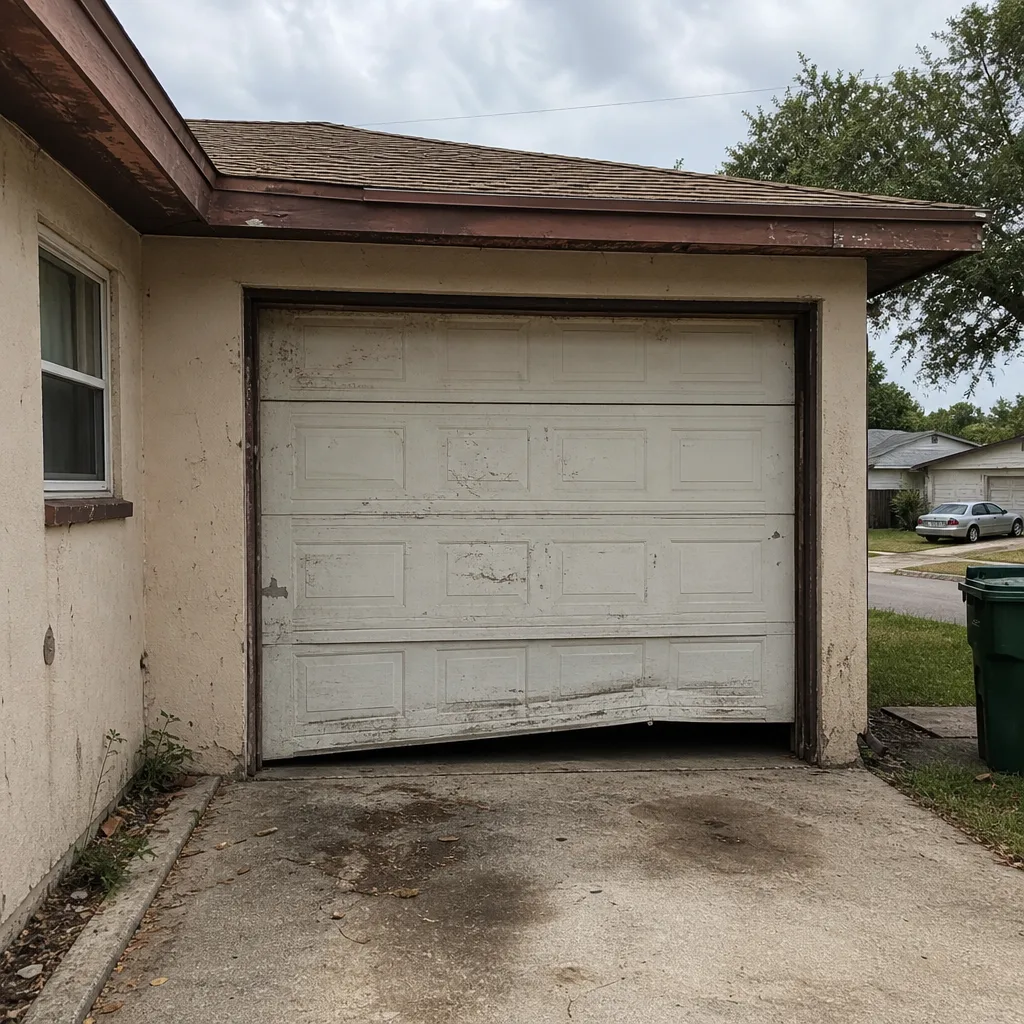 Before
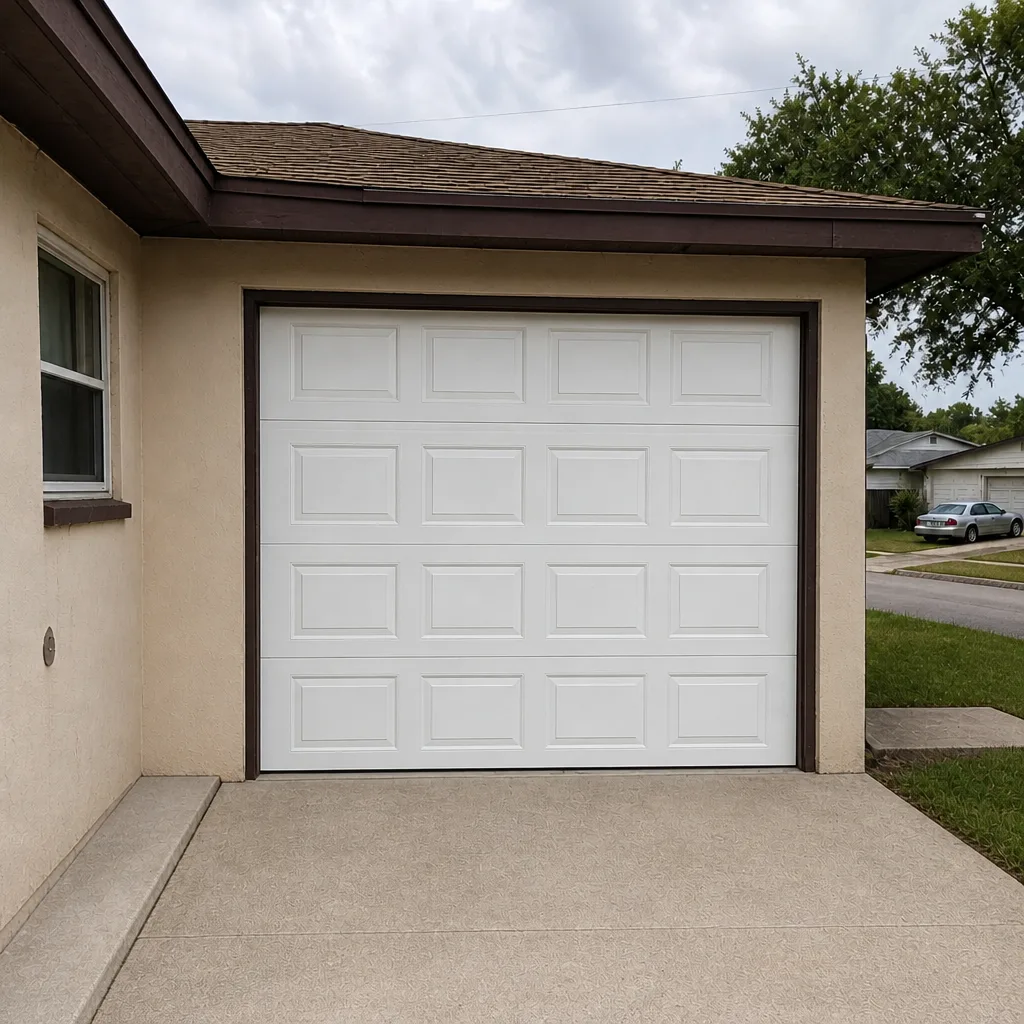 After
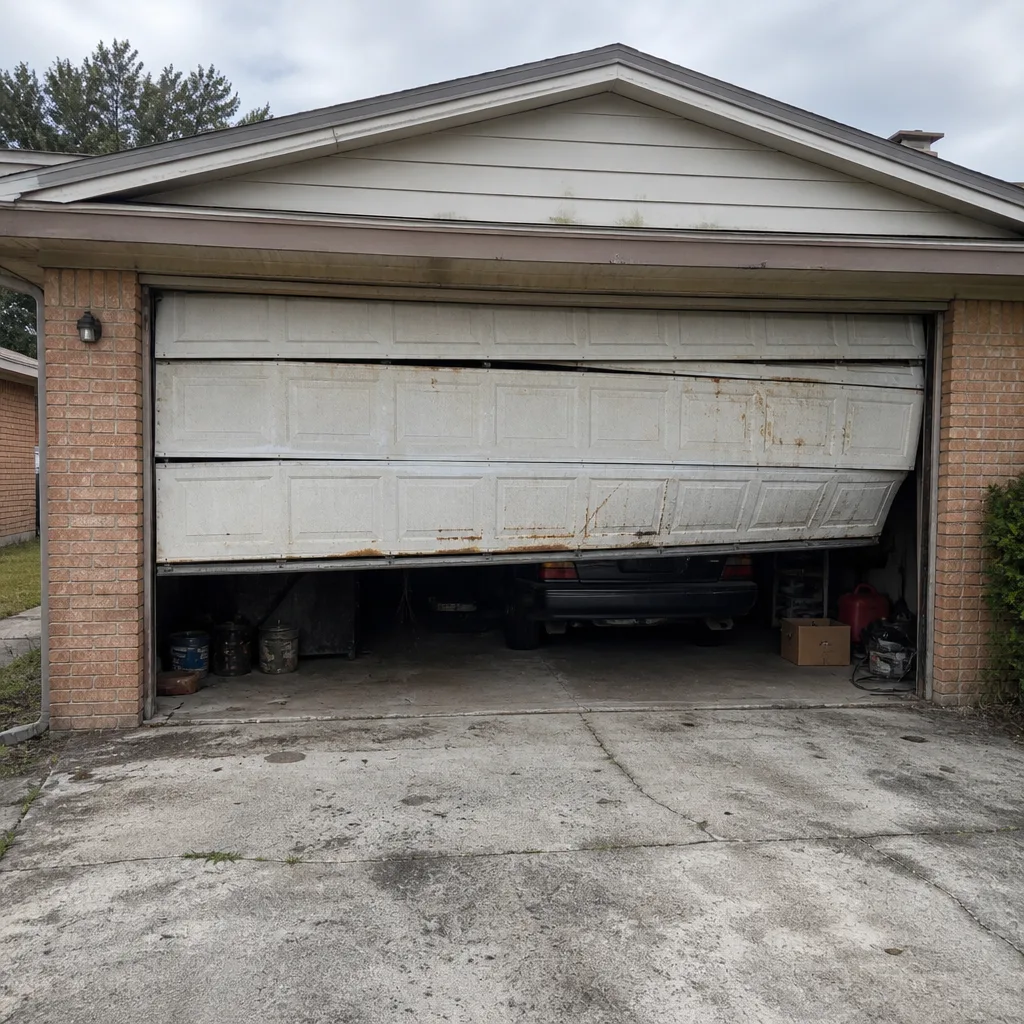 Before
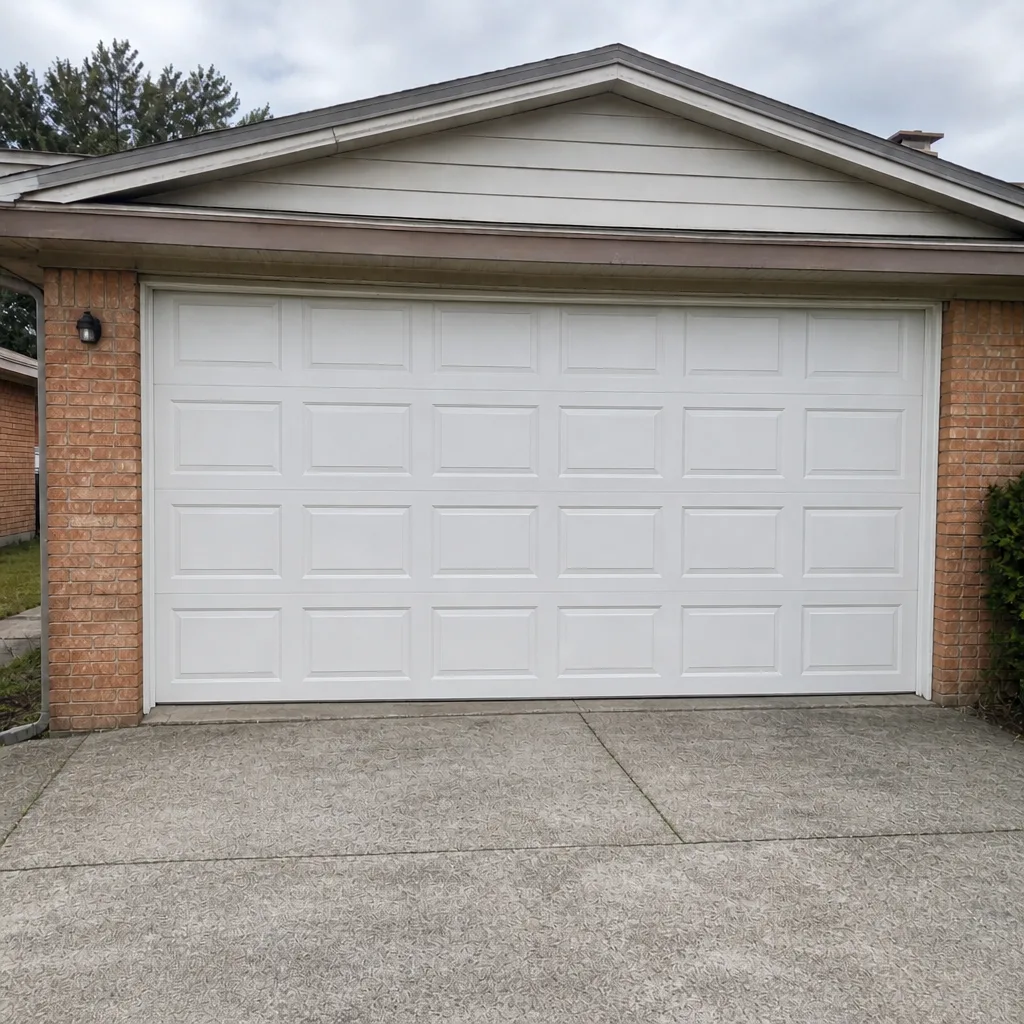 After
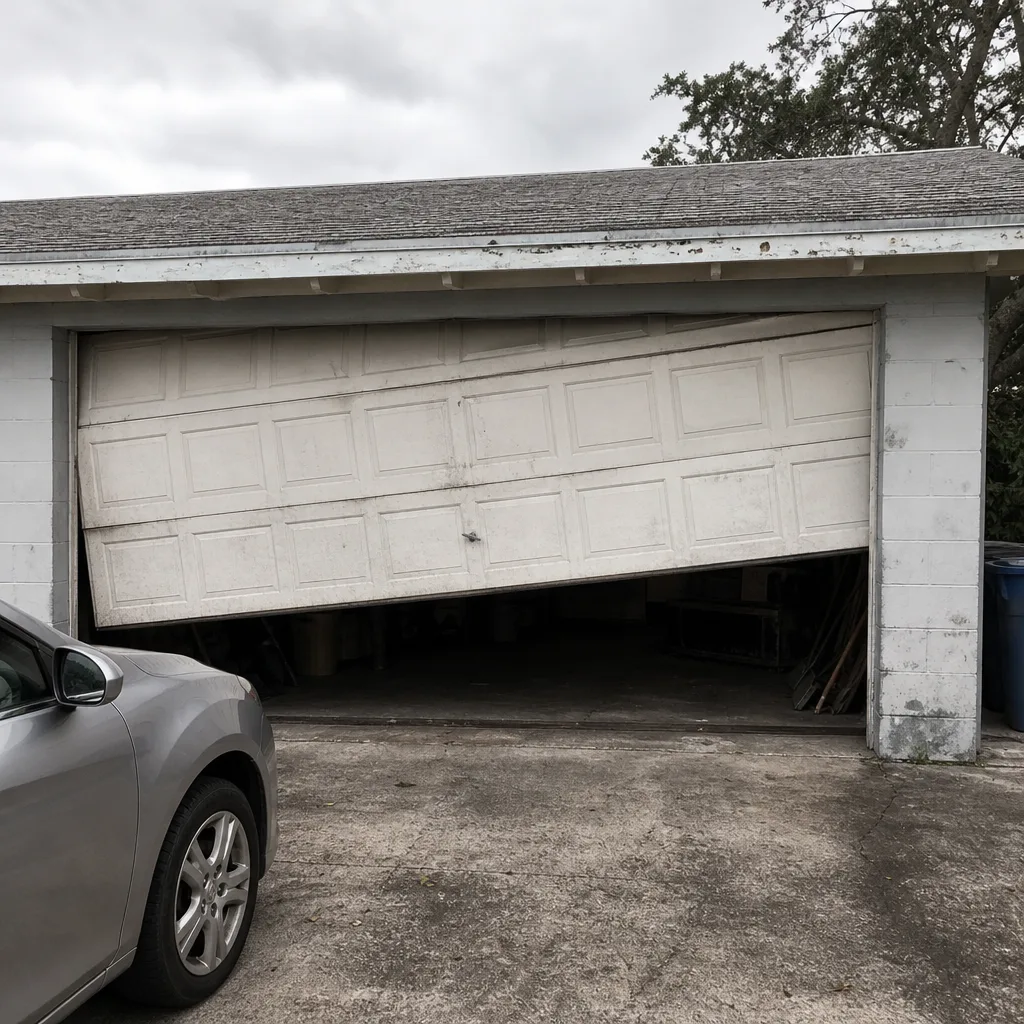 Before
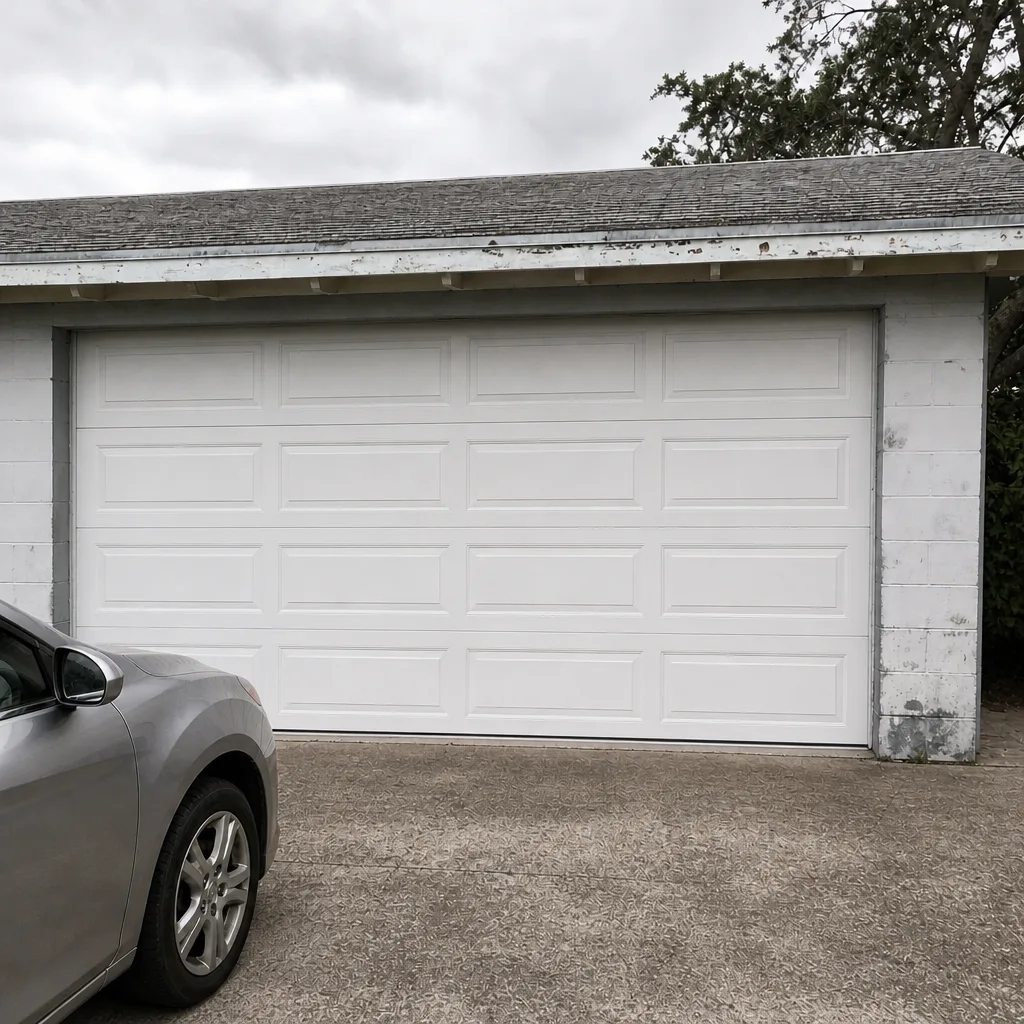 After
When to Call a Professional
Some problems are a phone call, and some are a technician. If the door is stuck open, hanging off the track, or won’t stay closed and locked, that’s a call. If you have a broken spring visible above the tracks, that’s a call, and it’s a job for a trained technician because of the tension in the system. If the opener runs but the door doesn’t move, or the door reverses immediately after you press the button, that’s a garage door opener repair visit. If you’re not sure, call and describe what you see. Pinellas Park Garage Door Repair offers free estimates in Pinellas Park, and we can tell you whether your situation is an emergency or something that can be scheduled. Call (877) 509-4184 and we’ll help you sort it out.
Frequently Asked Questions
Emergency garage door repair in Pinellas Park typically runs $180 to $420 depending on the part and how much after-hours work is involved, but the exact price is always quoted and agreed before any work starts. Spring repair is often the part homeowners ask about most, and we quote springs separately. Call (877) 509-4184 for an exact quote; estimates are free.
We can often come the same day when a door is stuck open or unsecured, and our emergency availability exists for exactly that situation. Call (877) 509-4184, describe what the door is doing, and we’ll tell you honestly whether it’s an emergency or can safely wait until tomorrow.
The manual release is the cord with a red handle that hangs from the trolley on the opener rail, and you pull it straight down to disengage the door from the opener. On newer jackshaft and wall-mounted models it can be located differently, so look at the unit or ask us if you’re unsure.
No, the price is quoted and agreed before any work starts, and the written estimate is the price you pay. If we find a second issue while diagnosing, we’ll show you and re-quote before touching it. Nothing gets added without your approval.
The local pro we connect you with is licensed and insured as Florida requires, and trained on LiftMaster, Chamberlain, Genie, Clopay, Amarr, Wayne Dalton, Craftsman, and Raynor systems. Our technicians have up to 8 years of experience. Call (877) 509-4184 to discuss your door.
It depends on the damage. A bent panel or an off-track door can often be repaired, while a door with structural damage to the panels or a compromised frame is usually better replaced. We’ll measure and quote both options so you can decide, and we can work with your insurer on the claim.
The Bottom Line
Garage door emergency preparedness in Pinellas Park isn’t complicated, but it does take a little setup. Learn the manual release on your opener. Save (877) 509-4184 where you can find it in the dark. Run a drill with everyone in the household. Before a storm, disengage the opener and lock the door down. After a storm, photograph everything before repair. And when the door fails and you can’t safely move it, call a trained technician rather than force the door. If you’re replacing an aging door, we handle installation on Clopay, Amarr, and Wayne Dalton, and we’ll measure and quote before any work begins. For repair, opener trouble, spring work, or a new door, Pinellas Park Garage Door Repair is one call for all of it. Call (877) 509-4184 for a free estimate.
Written by the team at Pinellas Park Garage Door Repair.