Last updated November 23, 2026
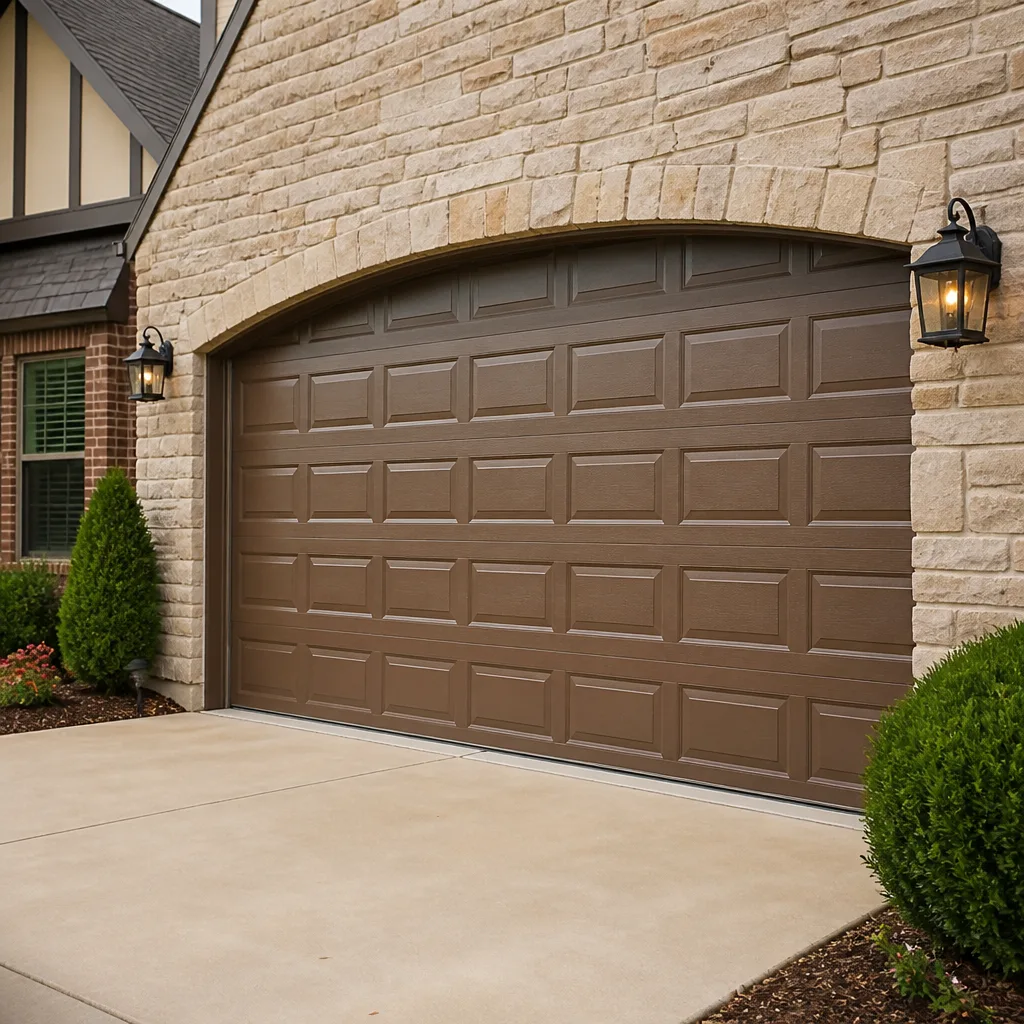 Raised-panel steel
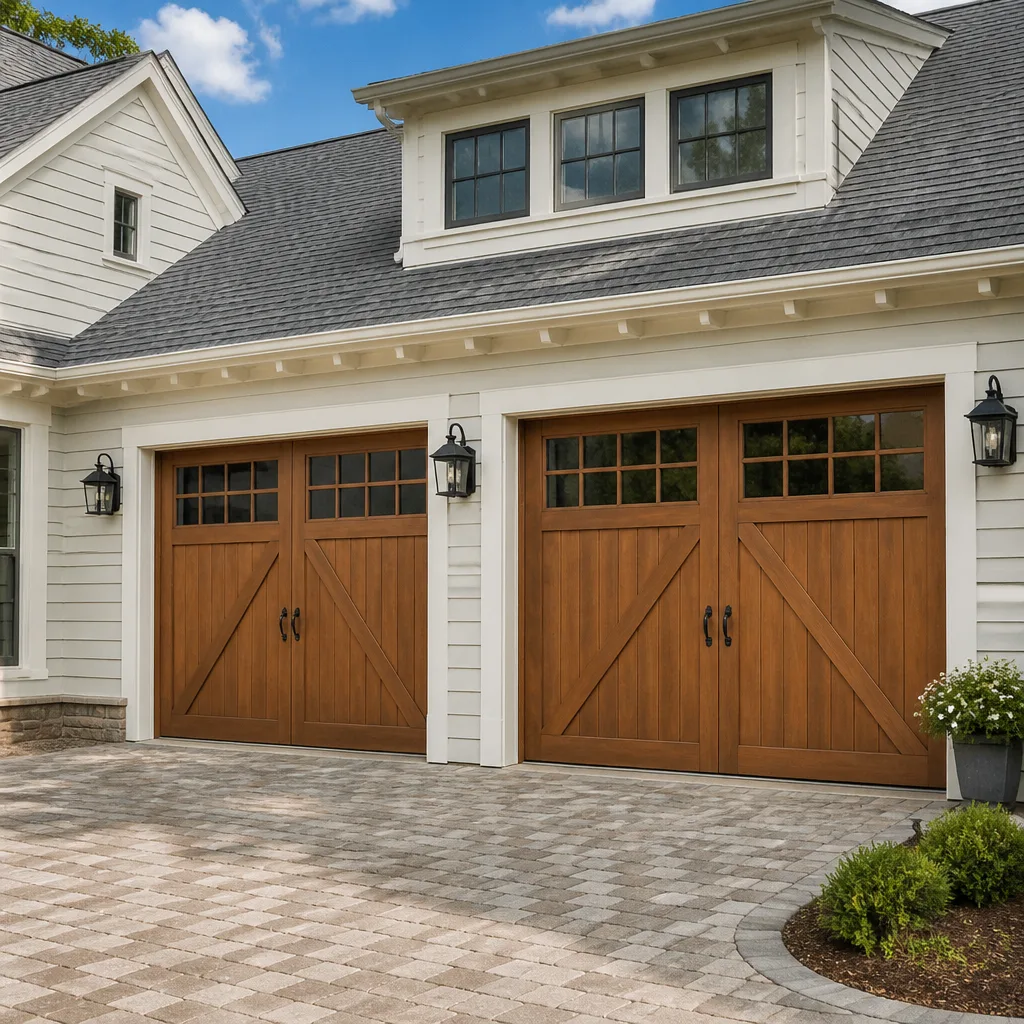 Carriage house
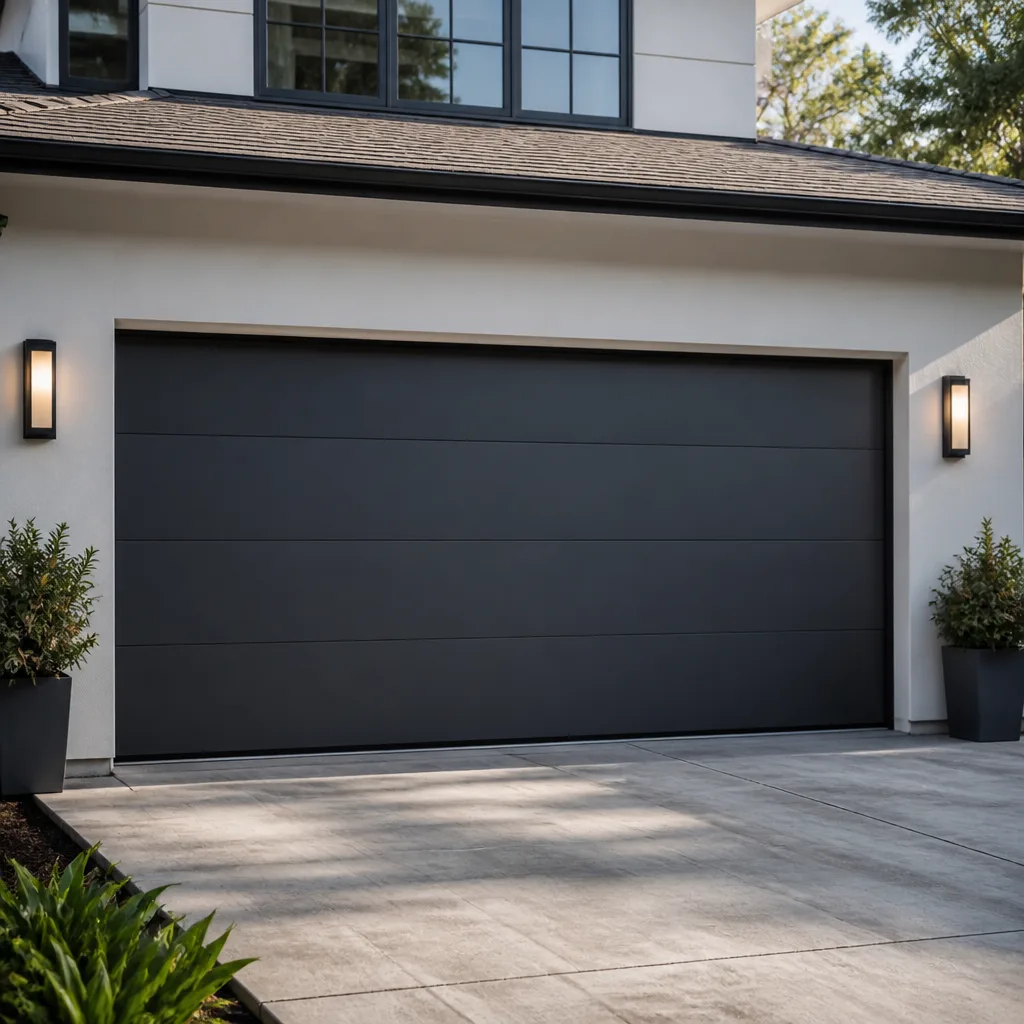 Modern flush
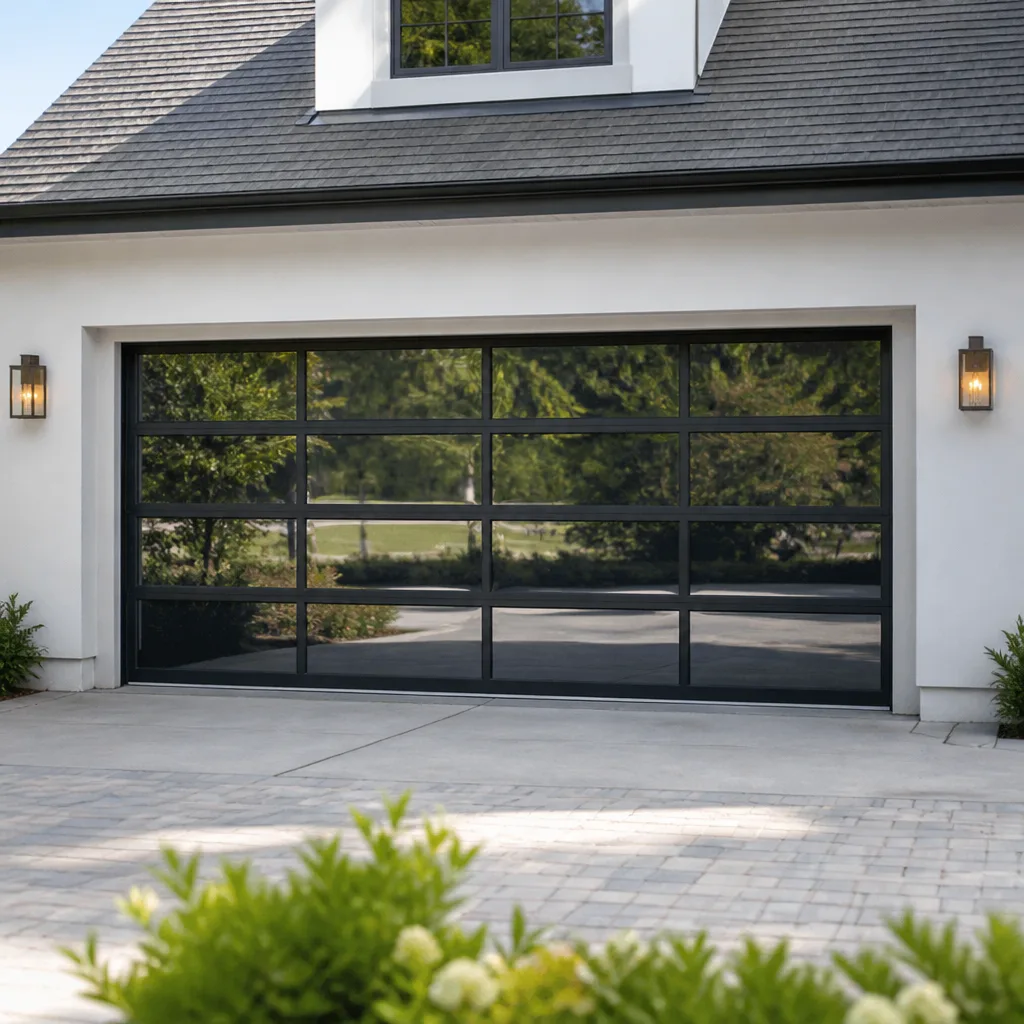 Full-view glass
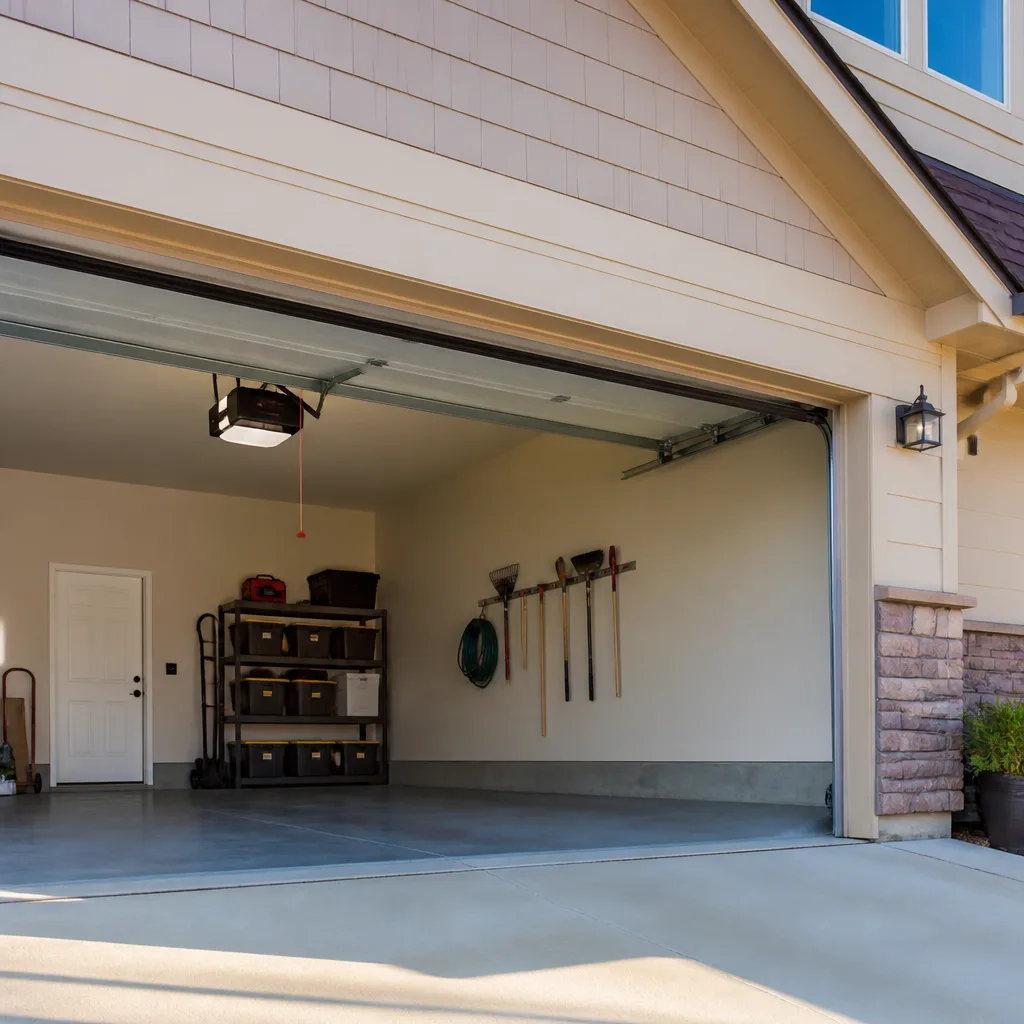 LiftMaster openers
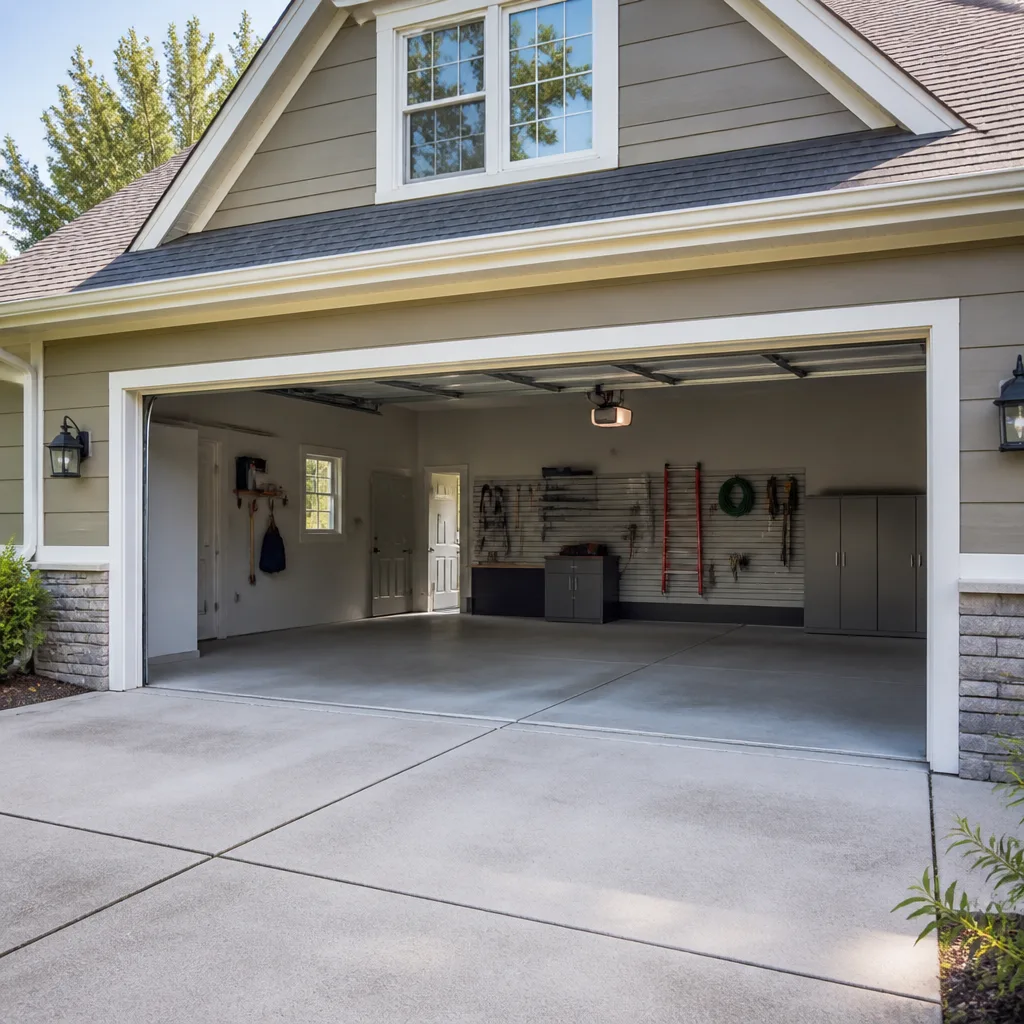 Chamberlain openers
Full 25-point door and opener safety check with every visit - springs, cables, rollers, tracks, and your LiftMaster or Chamberlain opener included
You get a price before we start. It does not change when the pro arrives.
Get your free estimateGarage Door Repair Maintenance Checklist for Pinellas Park Homeowners
The number one reason garage door springs fail early in Pinellas Park isn’t overuse. It’s rust. Our humid climate works on steel every day of the year, and the worst of it happens on the inside of a spring coil, where you can’t see it until the day the spring snaps under load. Most homeowners find out about corrosion the hard way, when the door comes down hard with a bang and won’t open again. This guide lays out a real maintenance checklist built around the failure patterns we actually see in Pinellas Park, broken into monthly, quarterly, and annual tasks, plus the specific inspections for springs, cables, weatherstripping, and safety sensors that catch problems before they turn into a repair call.
Quick Answer
A maintenance checklist for a Pinellas Park garage door means checking springs and cables for corrosion every month, lubricating rollers and hinges with a heat-stable product every quarter, and testing the auto-reverse and photo-eye sensors every month. The humidity here is what drives failures, not hard use, so the checklist should focus on water intrusion and rust as much as on movement and noise. Done right, the routine takes about 15 minutes a month and catches most of the problems that would otherwise become a spring or opener replacement.
Styles & brands we work with
- Raised-panel steel
- Carriage house
- Modern flush
- Full-view glass
- LiftMaster openers
- Chamberlain openers
Table of Contents
- Why Humidity Is the Real Enemy of a Garage Door in Pinellas Park
- The Monthly Checklist: What to Check in 15 Minutes
- The Quarterly Checklist: Lubrication and Hardware
- The Annual Checklist: A Full Door Physical
- How to Inspect Springs and Cables for Hidden Corrosion
- The Right Lubricants for Florida Heat (and What Melts, Grits, or Fails)
- Weatherstripping Inspection: Storm Gaps vs. Normal Wear
- Testing Auto-Reverse and Photo-Eye Sensors in Florida Sun
Why Humidity Is the Real Enemy of a Garage Door in Pinellas Park
A garage door is a big steel machine hanging on a wall, and in Pinellas Park it lives in the most humid part of the house. The garage is typically the hottest space on the property in summer and the most humid after a rain, and both of those conditions push rust faster than most homeowners expect. Springs, cables, hinges, and rollers all sit in that environment. The steel doesn’t fail from a single dramatic event. It fails slowly, from the inside, until the day it doesn’t. Our technicians have up to 8 years of experience working in this climate, and we’ve learned that a maintenance routine has to be tuned for humidity first.
Three things drive failure here:
- Moisture from the slab and outside air. Concrete holds water, and a garage that faces the afternoon sun can swing between soaked and baked in the same day.
- Salt in the air inland from the coast. Even homes several miles from the water see trace salt that accelerates corrosion on bare steel.
- Long springs under constant tension. A torsion spring sits loaded 24 hours a day. Any weak spot from corrosion becomes the failure point.
The good news: everything on the checklist below is something you can see, hear, or feel without taking the door apart. The point is to catch rust and wear before a spring goes.
The Monthly Checklist: What to Check in 15 Minutes
Once a month, walk the door and do a visual and sensory pass. This is the highest-value part of the routine and the part most homeowners skip. Fifteen minutes on a Sunday keeps a small problem from becoming a garage door repair call. Here’s the sequence:
- Look at the springs from a safe distance. On a torsion setup, the springs sit on the shaft above the door. On extension springs, they run alongside the tracks. Without touching anything, look for rust, flaking paint, or dark streaks. Note them for the quarterly check.
- Inspect the cables. Look for fraying, kinks, or rust where the cable loops over the drums and at the bottom bracket. If any strand is broken, stop using the door and call a technician.
- Open and close the door from inside. Listen for grinding, squealing, popping, or a door that seems heavier than usual. A door that struggles is telling you something.
- Test the safety reverse. Put a 2×4 flat on the floor in the door’s path and close it. The door should reverse when it hits the board. If it doesn’t, the opener needs adjustment or service.
- Test the photo-eye sensors. Wave an object between the sensors while the door is closing. It should reverse immediately. If it doesn’t, clean the lenses and try again.
- Check the weatherstripping at the bottom. Run your hand along the bottom seal with the door closed. If you feel gaps or the seal is hard and cracked, water and pests can get in.
- Look at the tracks. A dented or misaligned track will cause the door to bind. Note any visible dents and don’t try to bend tracks back yourself.
If any of these checks turn up something serious, especially broken cables or a door that won’t move, stop operating the door and call a technician. A door that’s off its balance point can come down hard.
The Quarterly Checklist: Lubrication and Hardware
Every three months, extend the monthly visual check with lubrication and hardware inspection. This is where a Pinellas Park routine diverges from a manufacturer’s generic copy. Springs and cables are the two components that need the most attention, and you should never lubricate springs or cables yourself. Torsion springs are under enough tension to cause serious injury, and the cables that hold them are just as dangerous. Leave those to a trained technician. What you can lubricate safely:
- Rollers. Apply a small amount of white lithium grease to the roller stem and the roller bearing surface. Don’t spray the roller wheel itself; grit sticks to grease there.
- Hinges. A drop of white lithium grease on each hinge joint quiets creaks and slows rust.
- Track surfaces. A very light wipe of a silicone-based lubricant on the inside of the track where the rollers ride. Don’t use oil; oil collects grit.
- Lock and handle (if you have a manual lock). A dry graphite spray is best here. Oil attracts dirt and can bind a lock.
Then check hardware:
- Tighten the bolts that hold the hinges to the door panels. Use a socket wrench and snug them. Don’t over-tighten; wood and thin steel doors can strip.
- Check the bottom bracket bolts. These hold the most load. If they’re loose, call a technician rather than tightening yourself.
- Inspect the opener rail and chain or belt. Look for slack or fraying. If the opener is a LiftMaster, Chamberlain, Genie, or Craftsman, we can service it whether or not the door brand matches the opener brand.
- Look at the spring paint again. If the rust noted last quarter has grown, book a technician check before the spring fails.
The Annual Checklist: A Full Door Physical
Once a year, do a full physical on the door. This catches the slow stuff the monthly and quarterly passes miss. Some of these items are easy for a homeowner. Others should be handled by a technician. The split looks like this:
Homeowner tasks:
- Balance test. Disconnect the opener (follow the manual release cord) and lift the door halfway. Let go. A properly balanced door should stay put. If it drops or rises on its own, the spring tension needs adjustment by a technician.
- Panel inspection. Look for dents, cracks, or seams in the door panels. On wood doors, look for rot near the bottom edge.
- Paint or finish touch-up. A spot of rust on a panel or hardware mount will spread. Sand lightly, prime, and repaint. This is the cheapest corrosion control there is.
- Test every safety feature. Auto-reverse, photo-eye sensors, and the manual release. Practice the release so everyone in the house knows what to do if the opener fails.
- Opener light and battery backup. Check that the light works and that any backup battery holds a charge. A dead backup is a problem during a power outage.
Technician tasks:
- Spring tension adjustment
- Cable inspection at the drums and brackets
- Track realignment
- Bearing and drum service
If your door is a Clopay, Amarr, or Wayne Dalton model, a technician familiar with the brand can check the manufacturer’s specific wear points. We’re brand-agnostic on openers too, so a LiftMaster or Raynor door paired with a Chamberlain opener gets fully serviced in one visit.
How to Inspect Springs and Cables for Hidden Corrosion
A torsion spring doesn’t fail from the outside. It fails from the inside of the coil, where moisture collects between the coils and starts eating steel you can’t see. The inspection that catches this is entirely visual from a safe distance. You are looking, not touching, and never disassembling.
Here’s the sequence a homeowner can safely follow:
- Stand back. At least six feet from the door, look at the springs on the shaft above the door. A torsion spring that’s healthy has intact paint and no visible rust streaks.
- Look for a dark, chalky coating. That’s often the first sign of corrosion. It’s the paint breaking down and steel starting to oxidize underneath.
- Check the hooks and winding cones. Rust here concentrates at the ends, which is where the spring is most loaded.
- Look at the cable where it enters the drum. Frayed strands, dark rust spots, or a kinked cable are all stop signs.
- Listen to the door. A spring that’s starting to crack will sometimes make a sharp crack or pop when the door opens. That sound is a warning. Stop operating the door.
If you find corrosion on the spring, the answer is not to sand and paint the spring yourself. The spring is under a load that can cause serious injury if the tension is released wrong. A trained technician can inspect it, decide whether it’s safe, and if needed, replace it. For a proper diagnosis of garage door spring repair, a licensed technician has to look at it. Spring replacement in Pinellas Park typically runs $180 to $340 for one spring, and a matched pair is usually replaced together, so budget about double for the pair. The written estimate sets the final price.
The Right Lubricants for Florida Heat (and What Melts, Grits, or Fails)
Not every garage door lubricant works in Pinellas Park. The two failure modes are specific: a lubricant that melts and runs off in summer heat, and a lubricant that attracts grit and turns into a grinding paste. Here’s the short version:
- Use white lithium grease on hinges and roller stems. It’s thick enough to stay put and doesn’t run when the garage hits its summer peak.
- Use a silicone-based spray on track surfaces. It’s dry after it dries, so it doesn’t attract grit, and it doesn’t break down in heat.
- Use dry graphite on locks and keyways. Oil-based products gum up in humidity.
- Never use WD-40 as a garage door lubricant. It’s a light solvent, not a long-term lubricant. It’ll quiet a squeak for a day or two and then attract dirt.
- Never use cooking oil or motor oil on a garage door. Motor oil collects grit on the rollers, and cooking oil goes rancid and attracts insects.
- Never lubricate springs or cables yourself. If a technician is servicing them, they’ll apply the right product. Homeowners should never get near a torsion spring with a spray can.
Our technicians carry the right lubricant for the specific hardware they’re servicing, and we use products made to hold up to Florida’s summer heat. When we do a service call in Pinellas Park, part of the job is telling you which lubricants to keep on hand for the monthly routine.
Weatherstripping Inspection: Storm Gaps vs. Normal Wear
Weatherstripping on a Pinellas Park door fails for two reasons: normal wear over years of opening and closing, and storm-related impact. The two look different, and the fix is different. Normal wear shows up as a bottom seal that’s hard, cracked, or compressed flat. The door closes, but you can feel air or see daylight under the door, or water gets in after a heavy rain.
Storm-related gaps look different. After a strong storm, a door that was sealing properly might have a warped bottom seal, a bottom bracket that’s been pushed out of alignment, or a panel that’s shifted. These issues can leave a gap on one side but not the other, and they usually come with a door that closes unevenly.
Here’s what to check:
- Look for daylight along the bottom edge. With the door closed and the garage dark, any visible light means water and pests can get in.
- Run a piece of paper along the seal. If it slides out easily, the seal isn’t tight.
- Look at the sides and top. The side seals (in the tracks) and top seal (on the header) fail too.
- Check the bottom seal material. Rubber lasts longer than vinyl. Vinyl cracks faster in the summer heat.
Replacing a bottom seal is a homeowner-level job on many doors, but on a door where the panels or brackets are involved, a technician should look. A misaligned bottom bracket is more dangerous than it looks. For full garage door repair of the weatherstripping and alignment, one visit from a technician saves the guesswork.
Testing Auto-Reverse and Photo-Eye Sensors in Florida Sun
Florida’s afternoon sun angle causes more false sensor failures than any other single cause, and most homeowners never connect the two. Here’s the issue: the photo-eye sensors are a pair of small lenses across the door from each other, and direct sun hitting one lens can blind the sensor. That false trip makes the door reverse for no reason, and homeowners usually replace perfectly good sensors before they realize the sun is the problem.
The fix is often simple. Here’s the sequence:
- Look for the door reversing at the same time each afternoon. If it’s the sun, that’s the tell.
- Check the sensor alignment. The two lenses should be aimed at each other. If one is knocked out of line, the door reverses. Straighten it and tighten the mount bolts.
- Clean the lenses. Dirt, pollen, and spider webs all cause false trips.
- Add a sun shade or reposition one sensor slightly. A small shield on the receiving lens often solves the sun angle issue, and a technician can do this in a few minutes.
- Test with a 2×4 and a wave. Put a 2×4 flat on the floor and close the door. Then wave an object between the sensors. The door should reverse on both tests. If it doesn’t, the sensors are out of adjustment or failed.
If the opener’s photo-eye system is failing, this is often a small garage door opener repair job. Our technicians service LiftMaster, Chamberlain, Genie, and Craftsman openers side by side, so there’s no need to swap out an opener just because the brand is unfamiliar.
Common Mistakes to Avoid
- DIYing a spring repair. A torsion spring is under enough tension to cause a serious injury. The cost of a technician is far less than the cost of a hospital visit. Leave spring work to a trained professional.
- Using WD-40 as a lubricant. It’s a solvent, not a long-term lubricant. It quiets a squeak for a couple of days and then attracts grit that wears the rollers faster.
- Ignoring a slow-opening door. A door that’s slower than usual is often a sign of balance loss or opener strain. Pinellas Park homeowners can catch both early on a monthly check.
- Skipping the photo-eye test. The sensors are a safety feature, and they fail silently. Test them the first time the door acts up, and monthly as part of the routine.
- Painting over rust without treating it. A spot of rust on a panel or a hinge mount will spread under paint. Sand to bare metal, prime, then paint.
- Assuming a humidity problem is a spring problem. Sometimes the door is stiff because the track is full of grit, not because the spring is bad. A technician can tell the difference.
- Putting off a full service until the door fails. A door that’s stopped working is an emergency. A door that’s getting stiff and noisy is a scheduled service. The second one is much cheaper.
See the difference
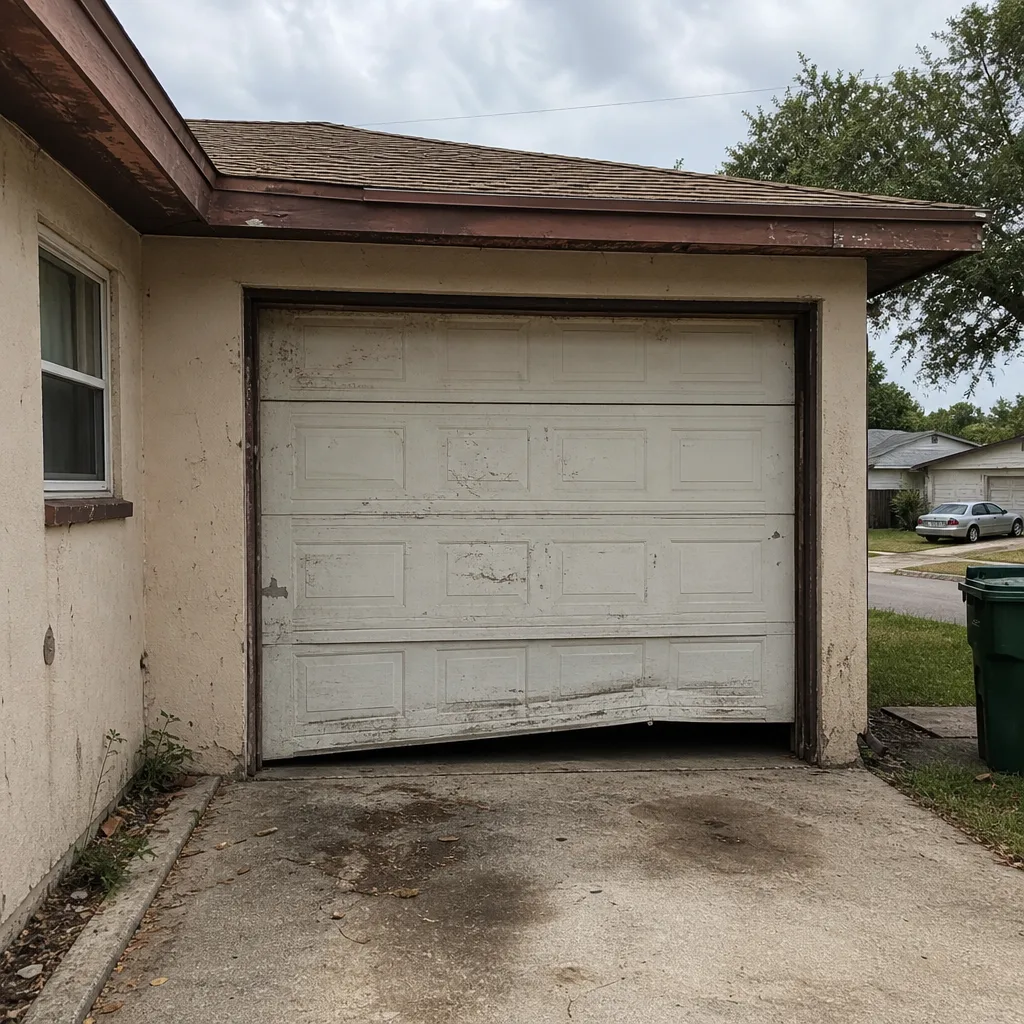 Before
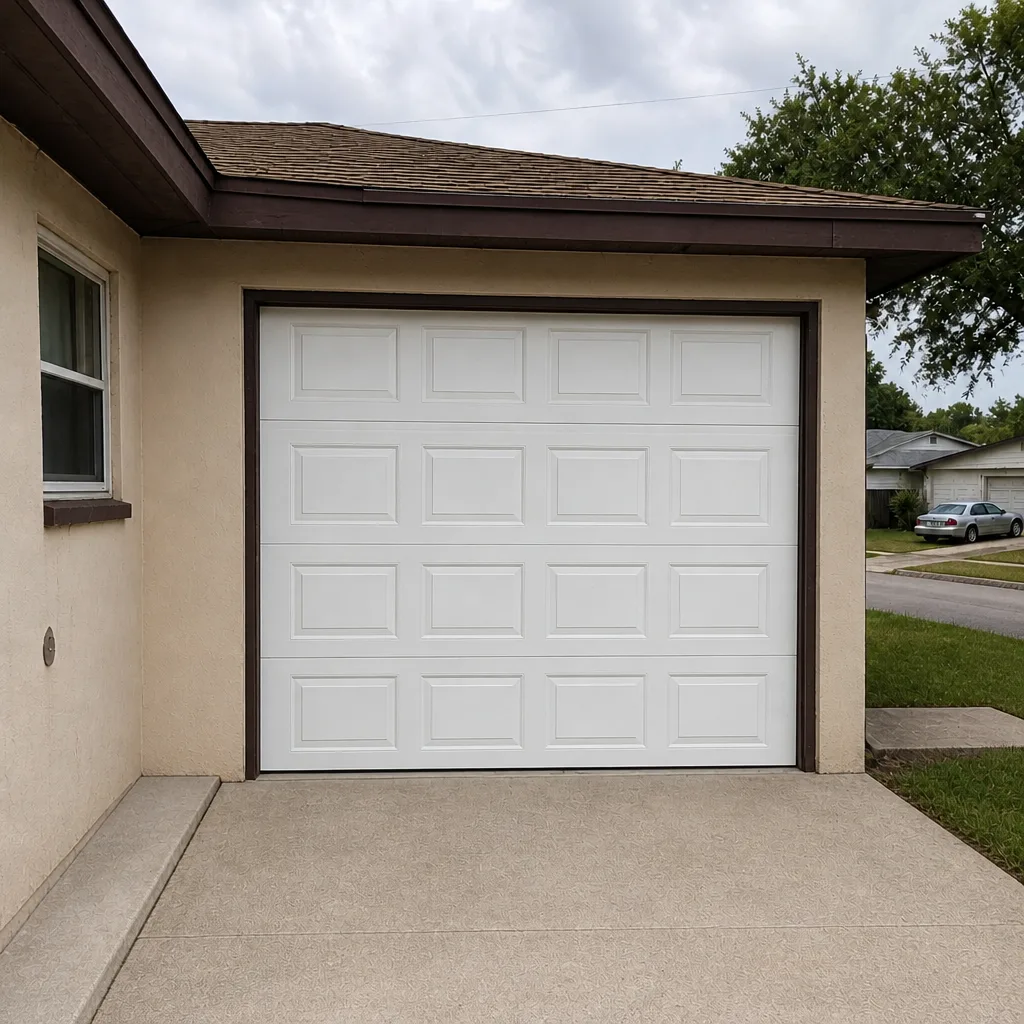 After
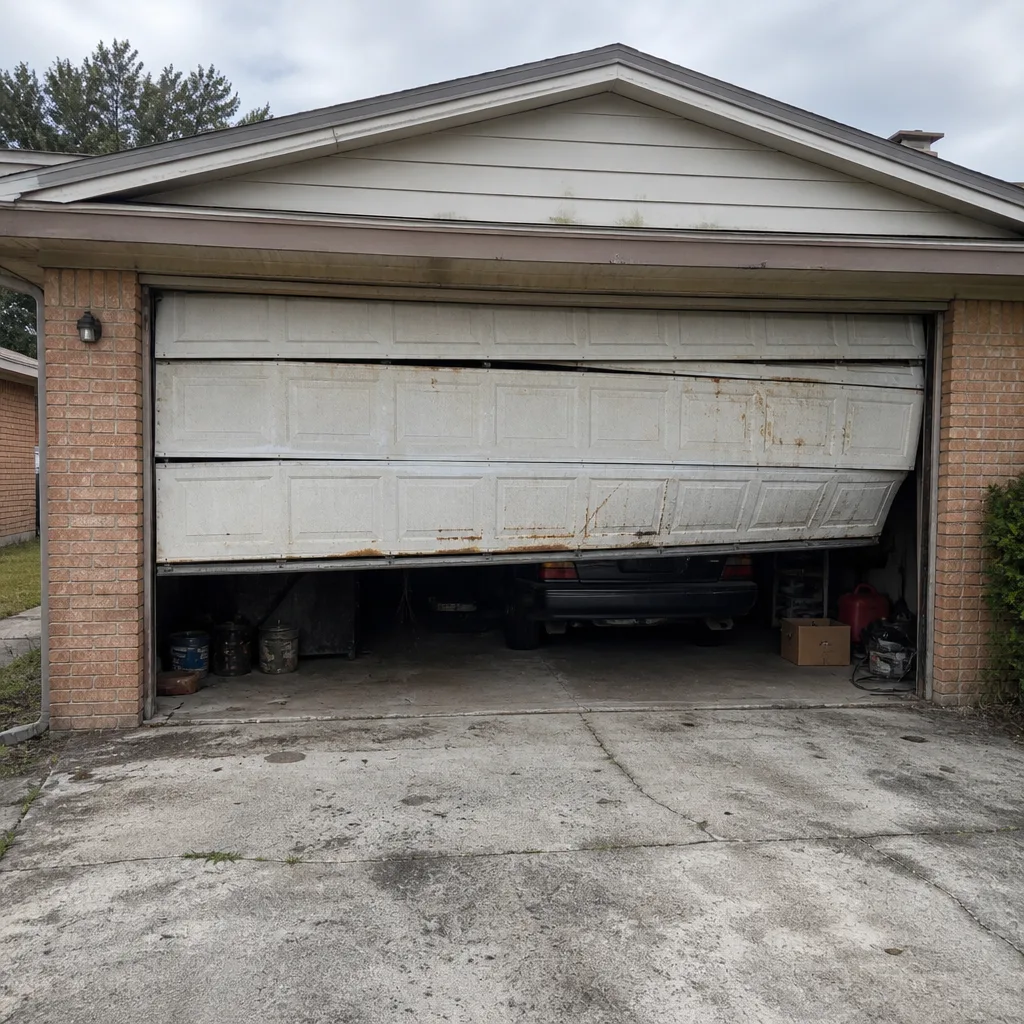 Before
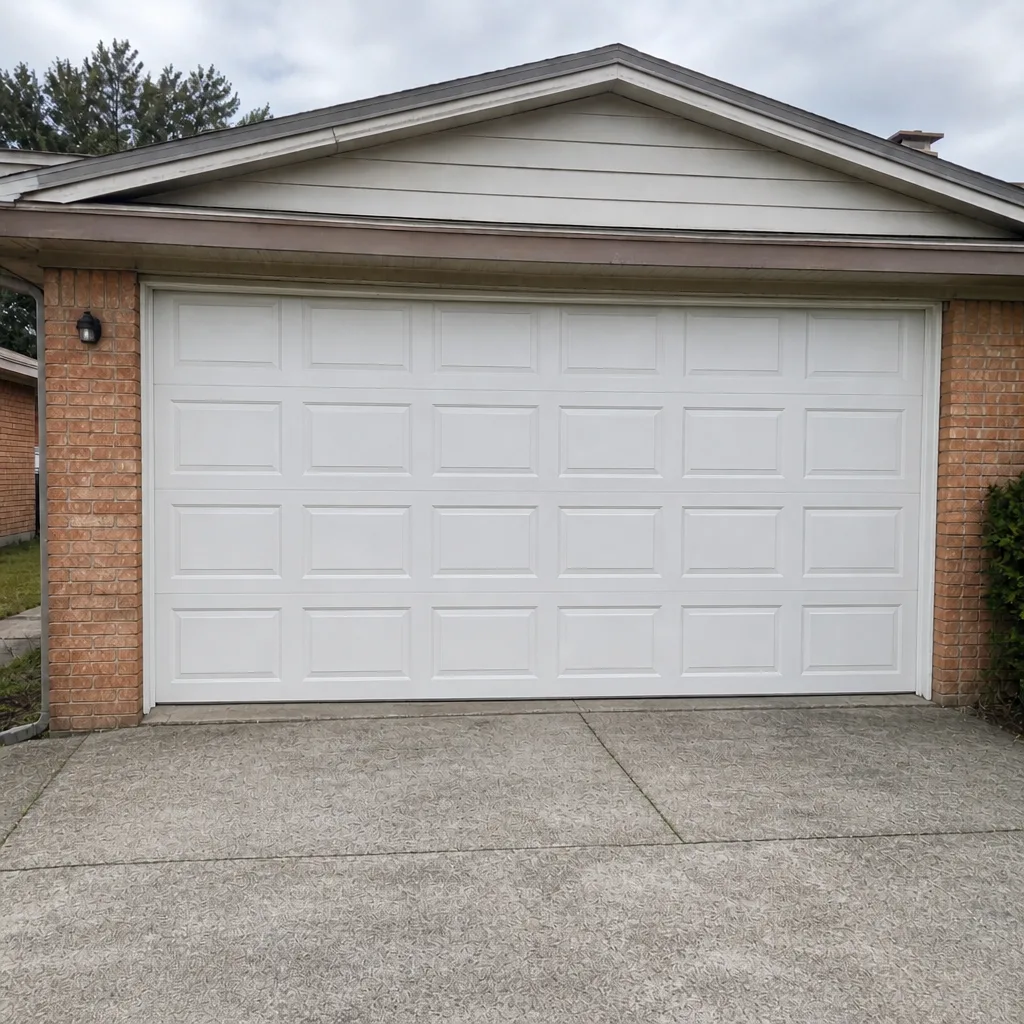 After
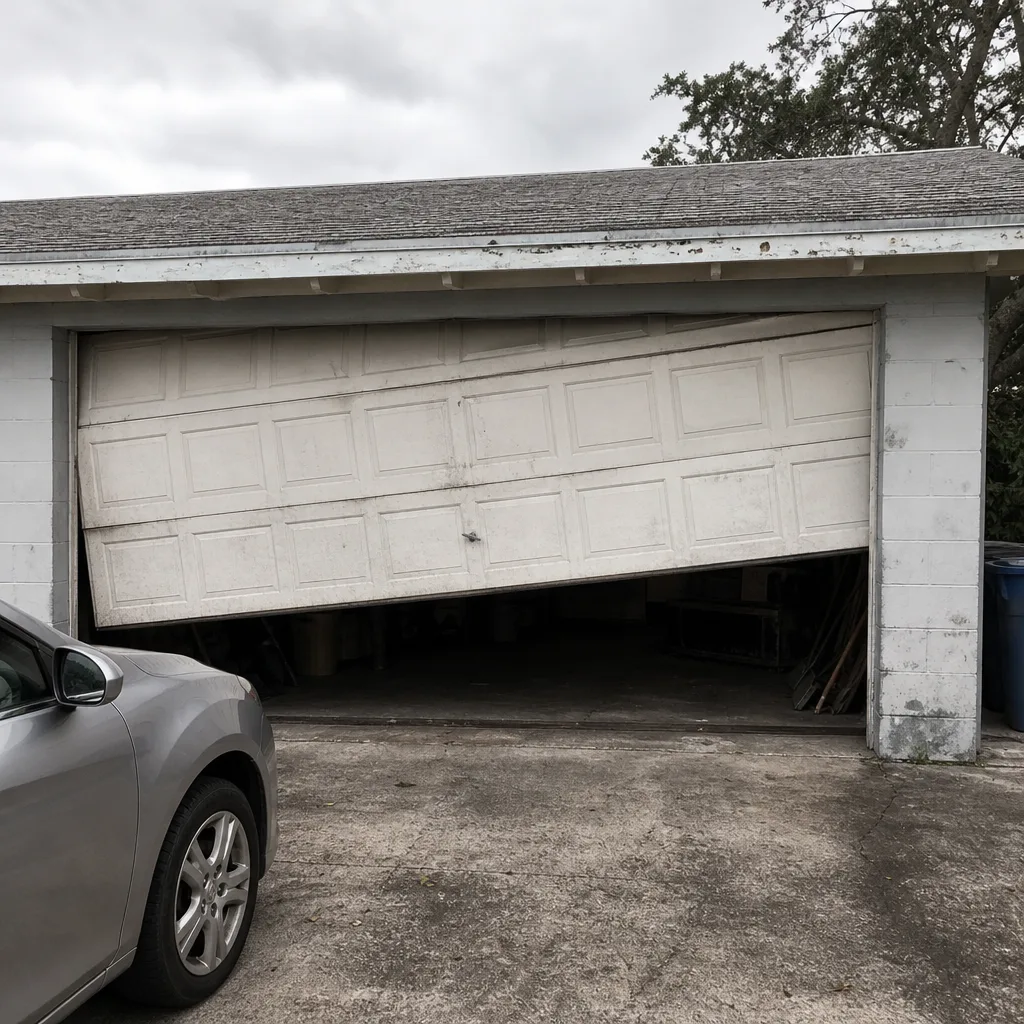 Before
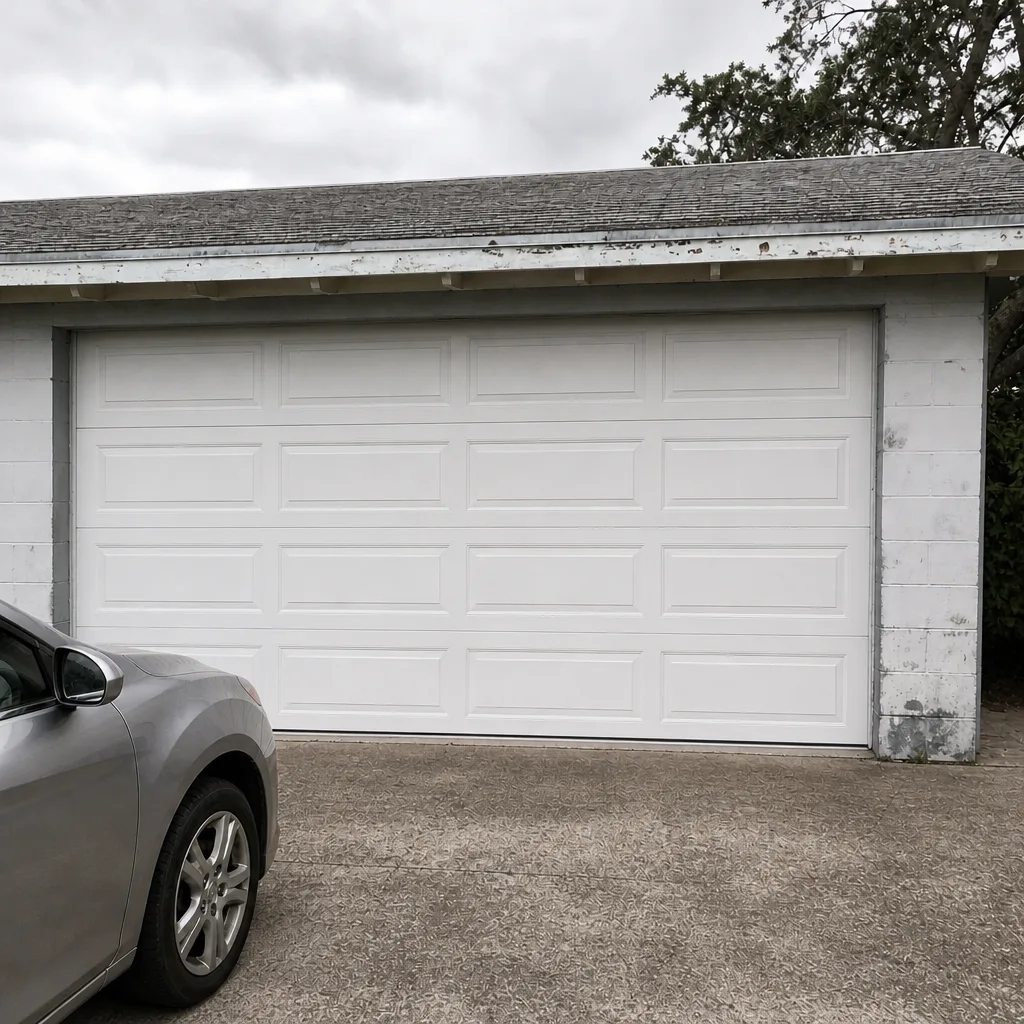 After
When to Call a Professional
Some maintenance tasks are homeowner-level. Others are genuinely dangerous or require tools and knowledge most homeowners don’t have. Call a technician when:
- A spring or cable is broken, rusty, or visibly damaged.
- The door won’t open, close, or stay balanced.
- The opener is running but the door isn’t moving.
- A panel is dented or the track is out of alignment.
- The door has a broken spring and you have a car trapped inside.
Pinellas Park Garage Door Repair offers free estimates in Pinellas Park. Call (877) 509-4184 and a technician can look at the door, tell you what it needs, and quote the price before any work starts. For a door that’s stuck open or won’t close and lock, we offer emergency service. Same-day and emergency availability applies to repair and emergency calls; for a new door or a replacement, the work is measured, ordered, and scheduled, and you’ll get a free measure and a written price.
Frequently Asked Questions
Every three months is the right interval for hinges, rollers, and track surfaces here, because the humidity accelerates corrosion and the grit that collects on lubricant. Use white lithium grease on hinges and roller stems and a silicone spray on the tracks. Never lubricate springs or cables yourself; a technician handles those during a service call. If the door is noisy between services, a technician can check the balance and tension and tell you if the noise is lubrication or wear. Call (877) 509-4184 to schedule a check.
Spring replacement in Pinellas Park typically runs $180 to $340 for one spring, and because a matched pair is usually replaced together, budget about double for the pair. The written estimate sets the final price. The price depends on the spring type, the door weight, and whether the cables or drums need work too. A technician can quote it in advance. Call (877) 509-4184 for a free estimate and an exact price.
No, not once the written estimate is signed. We quote and agree the price before any work starts, so the invoice matches the quote. If a technician finds a second issue mid-job, we stop, explain the finding, and re-quote before doing the extra work. Nothing gets added without your approval. Call (877) 509-4184 to book a free estimate.
Yes, the monthly sensor test is a homeowner task, and it takes about two minutes. Put a 2×4 flat on the floor in the door’s path and close the door; it should reverse. Then wave an object between the photo-eye sensors while the door is closing; it should reverse again. If the door reverses for no reason in the afternoon, the sun angle is often the cause. A technician can add a shade or realign the sensors. Call (877) 509-4184 if the test fails and you need an opener repair.
Afternoon sun hitting one photo-eye sensor is the most common cause, because the direct light blinds the lens and the door reads it as an obstruction. The fix is often a small sun shade or a slight reposition, and a technician can do it in a short visit. The second most common cause is a sensor knocked slightly out of alignment. If neither seems to be the issue, a technician can test the opener logic. Call (877) 509-4184 for a same-day check.
The local technicians we connect you with are licensed and insured as their state requires. You can ask to see credentials before work starts. We work on the brand you already have, including LiftMaster, Chamberlain, Genie, Clopay, Amarr, Wayne Dalton, Craftsman, and Raynor, so there’s no need to swap out a working door or opener just to match a brand. Call (877) 509-4184 to book a free estimate.
The Bottom Line
Garage door maintenance in Pinellas Park is a humidity audit dressed up as a checklist. Springs and cables are the priority, because they’re the parts that fail dangerously and the parts corrosion damages first. Lubricate hinges and rollers with white lithium grease, wipe tracks with silicone, use dry graphite on locks, and keep oil-based products off the door entirely. Test the auto-reverse and photo-eye sensors monthly, and remember that afternoon sun causes false failures more often than a real sensor fault. If a spring, cable, or balance issue shows up, stop operating the door and call a technician. Our technicians have up to 8 years of experience with LiftMaster, Chamberlain, Genie, Clopay, Amarr, Wayne Dalton, Craftsman, and Raynor, so the brand you already have is the brand we service. For everything from a snapped spring to a full door replacement, one call covers it. For free estimates in Pinellas Park, call (877) 509-4184.
Written by the team at Pinellas Park Garage Door Repair.